



06
2026
-
09
Unlocking Potential: The Advantages of Custom Aluminum Casting in Machinery Manufacturing
Author:
Unlocking Potential: The Advantages of Custom Aluminum Casting in Machinery Manufacturing
Table of Contents
- Introduction to Custom Aluminum Casting
- What is Aluminum Casting?
- Benefits of Custom Aluminum Casting
- 1. Lightweight and Strength
- 2. Corrosion Resistance
- 3. Design Flexibility
- 4. Cost-Effectiveness
- 5. Recyclability
- Applications of Custom Aluminum Casting
- The Custom Aluminum Casting Process
- Choosing the Right Casting Partner
- Future Trends in Aluminum Casting
- FAQs
- Conclusion
Introduction to Custom Aluminum Casting
In the realm of machinery manufacturing, the demand for high-performance materials is ever-increasing. **Custom aluminum casting** has emerged as a pivotal solution to meet this demand. By leveraging advanced techniques and technologies, manufacturers can create tailored components that cater to specific needs. This article delves into the myriad advantages of custom aluminum casting and how it can significantly enhance efficiency and productivity in machinery production.
What is Aluminum Casting?
Aluminum casting is a manufacturing process in which molten aluminum is poured into a mold to create complex shapes and components. This technique allows for high precision and versatility, making it an ideal choice in various industries. Custom aluminum casting involves tailoring the casting process to produce components that meet specific requirements, whether in terms of size, shape, or mechanical properties.
Benefits of Custom Aluminum Casting
Custom aluminum casting provides numerous benefits that can significantly impact production quality and efficiency. Below, we explore some of the most notable advantages.
1. Lightweight and Strength
Aluminum is renowned for its lightweight nature, which is crucial in applications where reducing weight can enhance performance. Despite its lightness, aluminum exhibits impressive strength characteristics. This combination makes it an excellent material for machinery components, where reduced weight can lead to increased efficiency and lower fuel consumption.
2. Corrosion Resistance
One of the standout features of aluminum is its natural corrosion resistance. When exposed to atmospheric conditions, aluminum forms a protective oxide layer that helps prevent rust and degradation. This property is particularly valuable in industries where equipment is subject to harsh environments, ensuring longevity and reducing maintenance costs.
3. Design Flexibility
Custom aluminum casting offers incredible design flexibility. Designers can create intricate shapes and configurations that would be challenging or impossible with traditional manufacturing methods. This flexibility allows for innovative designs that can enhance functionality while also improving aesthetics.
4. Cost-Effectiveness
While the initial investment in custom aluminum casting may seem significant, the long-term savings are substantial. Reduced material waste, lower energy consumption during production, and decreased maintenance costs all contribute to the overall cost-effectiveness of utilizing aluminum components in machinery manufacturing.
5. Recyclability
Aluminum is one of the most recyclable materials on the planet. The recycling process requires only a fraction of the energy needed to produce new aluminum from raw materials, making it an environmentally friendly option. This sustainable aspect aligns with the growing emphasis on eco-friendly practices in manufacturing.
Applications of Custom Aluminum Casting
The versatility of custom aluminum casting allows it to be utilized across a wide range of industries. Below are some key applications where custom aluminum casting shines.
1. Automotive Industry
In the automotive sector, custom aluminum components reduce vehicle weight, which enhances fuel efficiency and performance. From engine blocks to wheels, aluminum casting plays a critical role in modern vehicle design.
2. Aerospace Industry
The aerospace industry demands materials that offer the best strength-to-weight ratio. Custom aluminum casting fulfills these requirements, providing essential parts for aircraft that enhance safety and performance without adding unnecessary weight.
3. Electronic Devices
Custom aluminum casting is extensively used in the production of electronic housings and components. Due to its excellent thermal conductivity, aluminum helps dissipate heat efficiently, ensuring the longevity and reliability of electronic devices.
4. Construction Equipment
In construction machinery, durability and strength are paramount. Custom aluminum casting produces components that can withstand the rigors of heavy use while maintaining a lightweight profile, improving overall machine efficiency.
The Custom Aluminum Casting Process
Understanding the custom aluminum casting process is essential for manufacturers looking to leverage its advantages. The typical steps involved include:
1. **Design and Prototyping**: Collaborating with engineers and designers to create a detailed 3D model of the component.
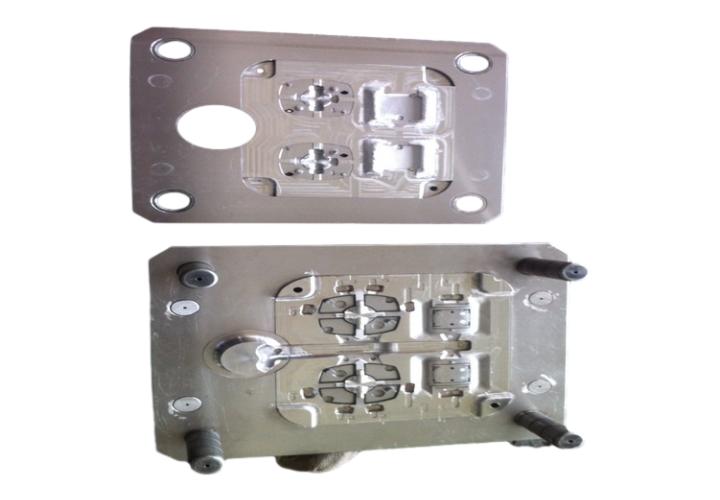
2. **Mold Creation**: Using advanced technologies, molds are created that accurately reflect the desired shape and specifications.
3. **Melting and Pouring**: Aluminum is melted at high temperatures and poured into the molds.
4. **Cooling and Solidification**: The aluminum cools, solidifying into the desired shape.
5. **Finishing**: The final products undergo finishing processes, such as machining, to meet precise tolerances and surface finish requirements.
Choosing the Right Casting Partner
Selecting the right partner for custom aluminum casting is crucial. Factors to consider include:
- **Experience and Expertise**: Look for a partner with substantial experience in aluminum casting and a portfolio showcasing their capabilities.
- **Technology and Equipment**: Ensure they utilize modern techniques and equipment that can handle customized projects effectively.
- **Quality Assurance**: A strong quality control process guarantees that the final products meet industry standards and specifications.
Future Trends in Aluminum Casting
The landscape of aluminum casting is continuously evolving. Key trends shaping the future include:
- **Increased Automation**: Automation in the casting process enhances efficiency and reduces labor costs.
- **3D Printing Integration**: The integration of 3D printing technology allows for rapid prototyping and production of complex designs.
- **Sustainable Practices**: The industry's focus on sustainability is driving innovations in recycling and environmentally friendly casting processes.
FAQs
What is the primary advantage of custom aluminum casting?
Custom aluminum casting offers unparalleled design flexibility, allowing manufacturers to create components tailored to specific requirements while benefiting from aluminum's lightweight and durable properties.
How does aluminum casting compare to other materials?
Aluminum casting provides a unique combination of lightweight, strength, and corrosion resistance that many other materials cannot match, making it ideal for various industries, including automotive and aerospace.
Is custom aluminum casting cost-effective?
While initial costs may be higher, custom aluminum casting proves cost-effective over time due to reduced maintenance and enhanced durability, resulting in lower lifecycle costs.
Can aluminum be recycled?
Yes, aluminum is highly recyclable, and recycling requires significantly less energy than producing new aluminum from raw materials, making it an environmentally friendly option.
What industries benefit the most from custom aluminum casting?
Industries such as automotive, aerospace, electronics, and construction greatly benefit from custom aluminum casting due to its versatile applications and performance advantages.
Conclusion
Custom aluminum casting is unlocking significant potential within the machinery manufacturing sector. Its advantages—ranging from lightweight strength and design flexibility to cost-effectiveness and sustainability—make it an ideal choice for various applications. By understanding the casting process and selecting the right partners, manufacturers can fully harness the benefits of custom aluminum casting, paving the way for innovative and efficient production methods. Embracing this material not only enhances product performance but also aligns with the growing emphasis on sustainability in manufacturing. The future of machinery manufacturing looks brighter with custom aluminum casting leading the way.
custom aluminum casting
Previous Page
Previous Page
03
2026-09
The Essential Guide to Zinc Casting in Die-Casting and Forging Molds
31
2026-08
Precision Engineering: The Transformative Role of Zinc Die Casting in Tool Development
28
2026-08
Unlocking the Potential of Die Casting Machines in Metalworking
25
2026-08
Driving Innovation through Aluminum Die Casting: The Future of Manufacturing
22
2026-08
The Essential Guide to Aluminum Alloy Molds: Enhancing Manufacturing Efficiency
19
2026-08
16
2026-08
Understanding Zinc Alloys: Properties, Applications, and Benefits
GM Diecasting Technology Co.,Limited.
Add:Building 1-5, Chongke Road, Shipai Town, Dongguan City, Guangdong Province
Email:henry@gmdiecastingtech.com
Email:lily@gmdiecastingtech.com
Tel:+8613680864695