



09
2026
-
09
Understanding Die Casting Molds: The Backbone of Precision Manufacturing
Author:
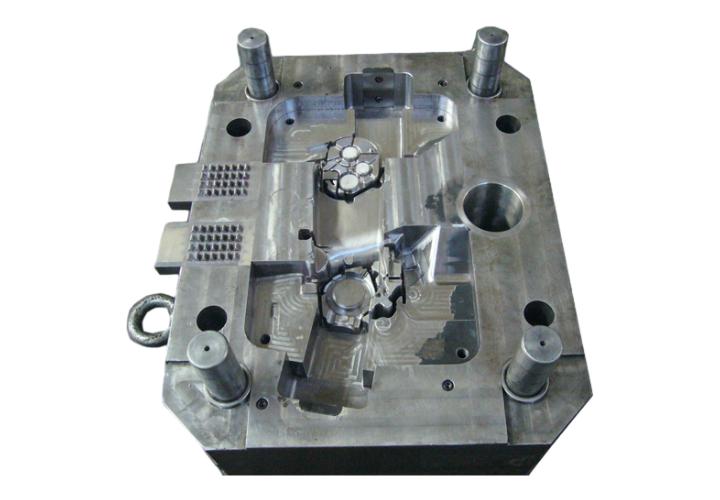
The die casting process typically involves two main types of molds: permanent molds and expendable molds. Permanent molds are crafted from durable materials like steel or iron and can be reused multiple times, making them ideal for high-volume production. Expendable molds, on the other hand, are made from sand or other materials and are used for lower-volume runs or prototypes. Each type has its own advantages and applications, depending on the specific requirements of the production run.
The design of a die casting mold is crucial for ensuring the quality of the final product. Key considerations include the mold's cavity design, gating system, and venting. A well-designed cavity allows for optimal flow of molten metal, reducing the chance of defects such as air pockets or incomplete filling. The gating system controls the metal's entry into the mold, while proper venting allows for the escape of air, further minimizing defects.
Material selection for die casting molds is also critical. The most common materials used are steel and aluminum, each offering unique properties. Steel molds are known for their durability and can withstand high temperatures, which is essential for large production runs. Aluminum molds, while less durable, are lighter and can be more cost-effective for specific applications.
In addition to these technical aspects, die casting molds provide several benefits in manufacturing. They enable the production of parts with complex geometries that would be difficult or impossible to achieve with other manufacturing methods. The high precision of die casting molds ensures that parts are made to exact specifications, reducing the need for secondary machining processes and minimizing waste.
Moreover, the efficiency of the die casting process allows for quick turnaround times and reduced production costs. This makes die casting molds an attractive option for manufacturers looking to scale production without sacrificing quality.
In conclusion, understanding the fundamentals of die casting molds is vital for anyone involved in the manufacturing and machining industries. By investing time in understanding the design, materials, and benefits of die casting molds, manufacturers can improve their processes, enhance product quality, and ultimately drive business success. Whether you are considering die casting for the first time or looking to optimize an existing process, knowledge of these molds will serve as a valuable asset in your manufacturing toolkit.
die casting mold
Previous Page
Previous Page
06
2026-09
Unlocking Potential: The Advantages of Custom Aluminum Casting in Machinery Manufacturing
03
2026-09
The Essential Guide to Zinc Casting in Die-Casting and Forging Molds
31
2026-08
Precision Engineering: The Transformative Role of Zinc Die Casting in Tool Development
28
2026-08
Unlocking the Potential of Die Casting Machines in Metalworking
25
2026-08
Driving Innovation through Aluminum Die Casting: The Future of Manufacturing
22
2026-08
The Essential Guide to Aluminum Alloy Molds: Enhancing Manufacturing Efficiency
19
2026-08
GM Diecasting Technology Co.,Limited.
Add:Building 1-5, Chongke Road, Shipai Town, Dongguan City, Guangdong Province
Email:henry@gmdiecastingtech.com
Email:lily@gmdiecastingtech.com
Tel:+8613680864695