



30
2025
-
01
How to ensure the quality of Zinc Die Casting
Author:
1. Raw material control
High-quality zinc alloy materials are the foundation. First of all, we must ensure the purity of zinc alloy, strictly control the procurement channels, and select raw material suppliers that meet industry standards. Strict composition testing is carried out on the zinc alloy entering the factory to prevent impurities from exceeding the standard. Because impurities may affect the fluidity, strength and other properties of zinc alloys, for example, excessive iron content will reduce the corrosion resistance of zinc alloys, thereby affecting the quality of die-casting products.
2. Mold quality and maintenance
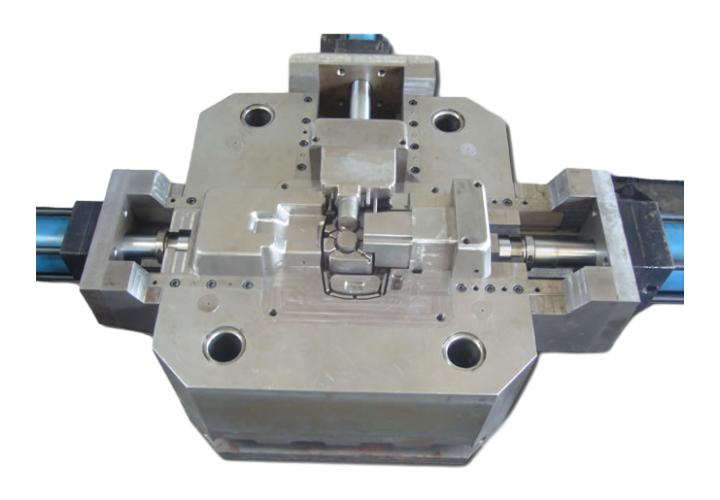
Molds play a decisive role in Zinc Die Casting. The design of the mold must be precise and reasonable, and it must be optimized according to factors such as the shape, size, and wall thickness of the product. For example, a reasonable gate and runner design can ensure that the zinc liquid fills the mold cavity evenly and quickly.
In the mold manufacturing process, the processing accuracy must be guaranteed, the cavity surface should be smooth, and the roughness should meet the corresponding requirements, so that the surface of the die-casting product can be smooth. At the same time, the material of the mold must have sufficient strength, hardness and heat resistance.
Daily maintenance is also indispensable, and the Zinc Die Casting mold should be inspected, cleaned, and repaired regularly. After each die casting, the zinc scraps and impurities remaining in the mold should be cleaned to prevent them from affecting the next die casting.
3. Optimization of die casting process parameters
The die casting process parameters are directly related to product quality. The appropriate die casting temperature is the key. Too high a temperature may cause severe oxidation of the zinc alloy, while too low a temperature will cause poor fluidity and produce defects such as cold shut. The die casting pressure should be adjusted according to the structural complexity and size of the product to ensure that the zinc liquid can fill the entire cavity and avoid problems such as pores and shrinkage.
4. Post-processing process specifications
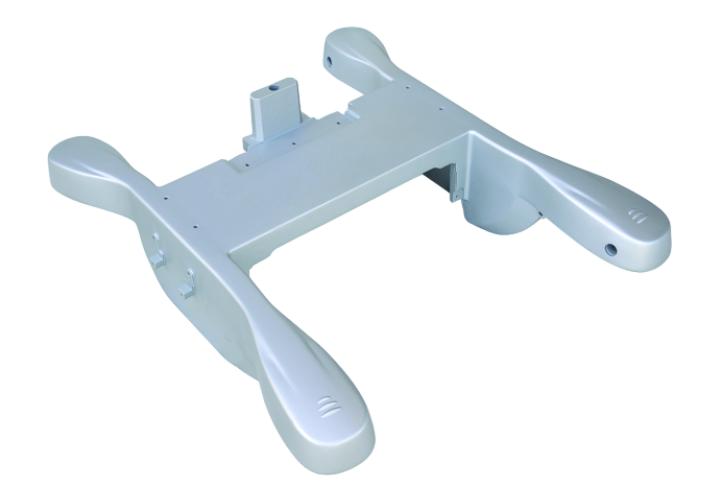
The products after Zinc Die Casting need to be post-processed, such as deburring and surface treatment. The deburring process should be thorough to prevent burrs from affecting the assembly and appearance of the product. When surface treating, whether it is electroplating or painting, it must be strictly operated in accordance with the process specifications to improve the corrosion resistance and aesthetics of the product.
Zinc Die Casting
Previous Page
30
2026-09
The Art of Crafting Durable Aluminum Casts for Industrial Applications
27
2026-09
The Essential Guide to Die Casting: Techniques, Applications, and Benefits
24
2026-09
How to Stay Ahead in Mold Forging: Insights for Manufacturers
21
2026-09
The Essential Guide to Forging Molds: Understanding Their Importance in Manufacturing
18
2026-09
Zinc Die Casting Parts: A Premier Cost-Effective Solution for Customized Manufacturing
15
2026-09
The Intricacies of Zinc Alloy Die Casting: A Comprehensive Overview
12
2026-09
The Art of Creating Intricate Designs Through Aluminum Prototype Casting
GM Diecasting Technology Co.,Limited.
Add:Building 1-5, Chongke Road, Shipai Town, Dongguan City, Guangdong Province
Email:henry@gmdiecastingtech.com
Email:lily@gmdiecastingtech.com
Tel:+8613680864695