



01
2024
-
11
Maximizing Efficiency with Aluminum Alloy Mold Machining: A Comprehensive Guide
Author:
Maximizing Efficiency with Aluminum Alloy Mold Machining
Understanding Aluminum Alloys in Mold Machining
Aluminum alloys are widely recognized for their lightweight and corrosion-resistant properties, making them a preferred choice in mold machining. The versatility of these alloys allows manufacturers to produce intricate shapes and designs with precision. In this section, we will explore the various types of aluminum alloys typically used in mold making and their specific properties.
The Different Types of Aluminum Alloys
Aluminum alloys can be classified into two main categories: wrought and cast.
- **Wrought Aluminum Alloys**: These alloys are formed through mechanical processes, which enhance their strength and durability. Common examples include the 6061 and 7075 alloys, known for their excellent machinability and weldability.
- **Cast Aluminum Alloys**: These alloys are poured into molds to achieve specific shapes. They are generally used in applications requiring complex geometries and better finish. An example is the A356 alloy, which is favored for its high strength-to-weight ratio.
Key Properties of Aluminum Alloys
The choice of alloy directly impacts the machining process and end-product quality. Here are some desirable properties of aluminum alloys:
1. **Lightweight**: Reduces energy consumption and enhances the performance of components.
2. **Corrosion Resistance**: Extends the lifespan of molds, making them ideal for production in various environments.
3. **Excellent Thermal Conductivity**: Facilitates efficient heat dissipation during the machining process.
4. **Good Machinability**: Allows for intricate designs and superior surface finishes.
The Importance of Efficient Machining Processes
Efficiency in machining processes plays a vital role in reducing production costs and improving output quality. With aluminum alloy mold machining, employing the right strategies and technologies can lead to significant gains in productivity.
Benefits of Enhanced Machining Efficiency
Increasing the efficiency of aluminum alloy machining brings numerous benefits, including:
- **Reduced Lead Times**: Faster machining translates to shorter project completion times, allowing businesses to respond quickly to market demands.
- **Lower Production Costs**: Efficient processes minimize waste and reduce the need for excess material handling.
- **Improved Product Quality**: Precision machining enhances the consistency and reliability of the final products, leading to fewer defects and rework.
Technological Innovations Driving Efficiency
Embracing technological advancements is essential for maximizing machining efficiency. Some noteworthy innovations include:
- **CNC Machining**: Computer Numerical Control (CNC) machines offer high precision and repeatability, making them ideal for complex aluminum mold machining.
- **Advanced Cutting Tools**: Tools designed specifically for aluminum alloys can significantly reduce machining times and improve surface finishes.
- **Additive Manufacturing**: Techniques such as 3D printing can complement traditional machining methods, allowing for rapid prototyping and reduced material waste.
Best Practices for Aluminum Alloy Mold Machining
Adopting best practices can further enhance the efficiency of mold machining operations. Here are some practical strategies:
1. Optimize Cutting Parameters
Determining the optimal cutting speeds and feed rates is crucial. These parameters can vary significantly depending on the type of alloy used. Conducting test runs can help establish the best settings for your equipment.
2. Employ Proper Tooling
Using the right cutting tools designed for aluminum machining can drastically improve efficiency. Consider factors such as tool geometry, coating, and material to maximize performance.
3. Implement Effective Coolant Management
Proper coolant application can reduce heat buildup and prolong tool life. Utilizing advanced coolant systems can also enhance chip removal, leading to cleaner cuts.
4. Invest in Maintenance and Training
Regular maintenance of machinery and ongoing training for operators can prevent downtime and ensure that the equipment operates at peak efficiency.
Challenges in Aluminum Alloy Machining
While aluminum alloy machining offers many advantages, it also presents unique challenges that manufacturers must address.
Common Challenges
- **Tool Wear**: The softness of aluminum can lead to increased tool wear, necessitating frequent replacements and adjustments.
- **Chips and Swarf**: Aluminum generates long chips that can interfere with machining operations, requiring efficient chip management systems.
- **Thermal Expansion**: Variations in temperature can affect dimensional accuracy, particularly in high-speed machining scenarios.
Strategies to Overcome Challenges
To mitigate these challenges, manufacturers should:
- Utilize specialized tools designed to handle aluminum.
- Incorporate chip breakers in tool design to minimize chip size.
- Monitor temperature fluctuations and adjust coolant systems accordingly.
The Future of Aluminum Alloy Mold Machining
As industries evolve, so do the methodologies and technologies in mold machining. The future holds exciting prospects for aluminum alloy machining, driven by advancements in automation, AI, and sustainable practices.
Emerging Trends to Watch
- **Automation and Robotics**: Increasing automation in machining processes enhances productivity and reduces human error.
- **Sustainable Practices**: Emphasizing environmentally friendly practices, such as recycling aluminum and reducing waste, will play a critical role in the future of manufacturing.
- **Smart Manufacturing**: Integrating IoT technologies for real-time monitoring and data analysis can optimize machining processes significantly.
Conclusion
Aluminum alloy mold machining presents an array of opportunities for manufacturers looking to enhance their efficiency and product quality. By understanding the properties and benefits of aluminum alloys, implementing best practices, and embracing technological innovations, businesses can position themselves for success in a competitive landscape. As we move forward, staying abreast of emerging trends and continuously adapting to industry changes will be paramount for maximizing efficiency in aluminum alloy mold machining.
FAQs about Aluminum Alloy Mold Machining
1. What are the main advantages of using aluminum alloys in mold machining?
Aluminum alloys are lightweight, corrosion-resistant, and offer excellent machinability, making them perfect for complex mold designs.
2. How does CNC machining enhance efficiency in aluminum alloy machining?
CNC machining provides high precision and repeatability, allowing for intricate designs with reduced lead times and lower production costs.
3. What are the challenges faced in aluminum alloy machining?
Common challenges include tool wear, chip management, and thermal expansion, which can impact overall efficiency and product quality.
4. How often should tooling be replaced in aluminum machining?
Tool replacement frequency depends on usage and material type; regular monitoring of tool condition can help determine optimal replacement intervals.
5. What technologies are shaping the future of aluminum alloy mold machining?
Automation, robotics, IoT integration, and sustainable practices are some of the key technological trends shaping the future of aluminum alloy mold machining.
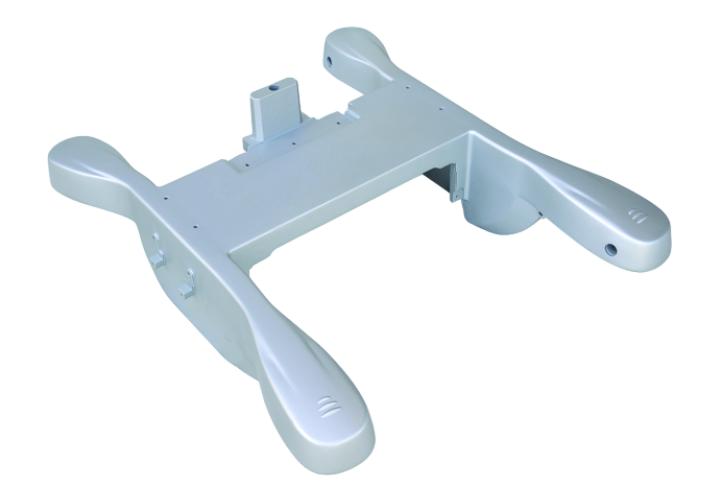
Aluminum alloy mold
30
2026-09
The Art of Crafting Durable Aluminum Casts for Industrial Applications
27
2026-09
The Essential Guide to Die Casting: Techniques, Applications, and Benefits
24
2026-09
How to Stay Ahead in Mold Forging: Insights for Manufacturers
21
2026-09
The Essential Guide to Forging Molds: Understanding Their Importance in Manufacturing
18
2026-09
Zinc Die Casting Parts: A Premier Cost-Effective Solution for Customized Manufacturing
15
2026-09
The Intricacies of Zinc Alloy Die Casting: A Comprehensive Overview
12
2026-09
The Art of Creating Intricate Designs Through Aluminum Prototype Casting
GM Diecasting Technology Co.,Limited.
Add:Building 1-5, Chongke Road, Shipai Town, Dongguan City, Guangdong Province
Email:henry@gmdiecastingtech.com
Email:lily@gmdiecastingtech.com
Tel:+8613680864695