



26
2024
-
10
Maximizing Quality Assurance with Advanced Zinc Alloy Mold Techniques
Author:
Maximizing Quality Assurance with Advanced Zinc Alloy Mold Techniques
Table of Contents
- 1. Introduction to Zinc Alloy Mold Techniques
- 2. Understanding Quality Assurance in Manufacturing
- 3. Benefits of Using Zinc Alloy Molds
- 4. Advanced Manufacturing Techniques for Zinc Alloy Molds
- 5. Implementing Quality Assurance Programs
- 6. Best Practices for Maximizing Quality
- 7. Common Challenges and Solutions
- 8. The Future of Zinc Alloy Molding
- 9. Frequently Asked Questions (FAQs)
- 10. Conclusion
1. Introduction to Zinc Alloy Mold Techniques
The manufacturing landscape has evolved significantly with the advent of advanced materials and techniques. Zinc alloys, known for their superior properties such as strength, corrosion resistance, and lightweight characteristics, play a pivotal role in mold making. Advanced zinc alloy mold techniques not only enhance product quality but also streamline production processes. This article will delve into maximizing quality assurance through these innovative methods.
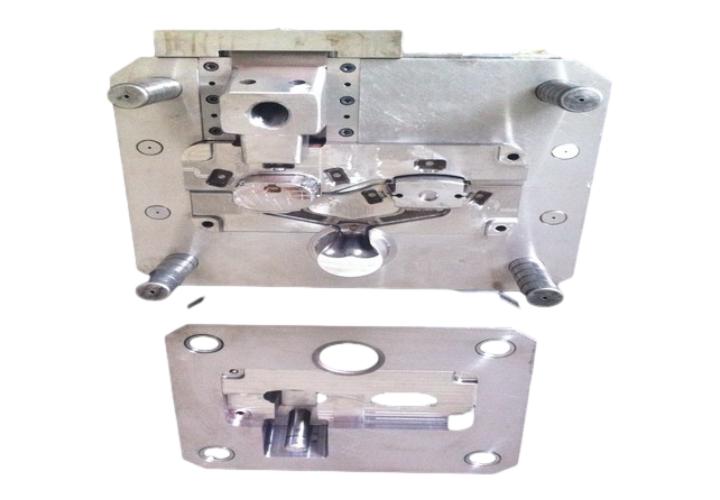
2. Understanding Quality Assurance in Manufacturing
Quality assurance (QA) refers to the systematic processes implemented to ensure that products meet specified requirements and standards. In the context of manufacturing, QA is critical for maintaining product integrity, enhancing customer satisfaction, and minimizing defects. The integration of quality assurance systems allows manufacturers to establish a culture of continuous improvement, thereby fostering a competitive edge in the market.
The Importance of Quality Assurance
Quality assurance is essential for several reasons:
- **Customer Satisfaction**: Delivering high-quality products leads to enhanced customer trust and loyalty.
- **Cost Reduction**: By identifying and rectifying defects early in the production process, companies can significantly lower costs associated with recalls and repairs.
- **Regulatory Compliance**: Many industries are subject to stringent regulations that necessitate robust quality assurance systems.
3. Benefits of Using Zinc Alloy Molds
Zinc alloy molds offer numerous advantages that contribute to improved quality assurance in manufacturing:
Enhanced Durability and Longevity
Zinc alloys possess high strength and excellent resistance to wear and tear. This durability translates to longer mold life, reducing the frequency of replacements and repairs.
Improved Precision and Accuracy
Modern zinc alloy molding techniques, such as die casting, provide exceptional precision. This accuracy is crucial for producing complex parts that require tight tolerances, ultimately improving product quality.
Corrosion Resistance
Zinc alloys are inherently resistant to corrosion, making them ideal for products exposed to harsh environments. This property ensures that the finished products maintain their integrity over time.
4. Advanced Manufacturing Techniques for Zinc Alloy Molds
To maximize quality assurance, manufacturers must adopt advanced techniques in mold production. Here are some key methods:
Die Casting
Die casting involves forcing molten zinc alloy into a mold cavity under high pressure. This technique allows for the production of complex shapes with excellent surface finish and dimensional accuracy.
Additive Manufacturing
Additive manufacturing, or 3D printing, offers the ability to create intricate designs that were previously unattainable with traditional methods. This technology enables rapid prototyping and customization, enhancing product development cycles.
Injection Molding
Injection molding is another effective method for producing zinc alloy components. This process involves injecting the molten material into a mold, where it cools and solidifies. The result is high-quality parts with consistent specifications.
5. Implementing Quality Assurance Programs
An effective quality assurance program is vital for ensuring that manufacturing processes yield high-quality products. Here are steps to implement a robust QA program:
Define Quality Standards
Establish clear and measurable quality standards based on customer expectations and regulatory requirements. These standards will serve as benchmarks for quality control assessments.
Regular Audits and Inspections
Conduct regular audits and inspections of manufacturing processes to identify areas for improvement. Utilize statistical process control (SPC) techniques to monitor production metrics and detect deviations from quality standards.
Training and Development
Invest in training programs for employees to ensure they understand quality assurance protocols and best practices. A well-trained workforce is crucial for maintaining high-quality production standards.
6. Best Practices for Maximizing Quality
Employing best practices in zinc alloy mold manufacturing can significantly enhance quality assurance. Consider the following strategies:
Utilize High-Quality Raw Materials
The quality of the raw materials used in the production process directly impacts the final product. Source zinc alloys from reputable suppliers to ensure consistency and reliability.
Implement Lean Manufacturing Principles
Lean manufacturing focuses on minimizing waste and maximizing efficiency. By streamlining processes and eliminating non-value-added activities, manufacturers can enhance quality while reducing costs.
Embrace Technology and Automation
Incorporating advanced technology and automation into manufacturing processes can significantly improve precision and quality. Utilize smart technologies for monitoring and controlling production parameters.
7. Common Challenges and Solutions
While maximizing quality assurance with zinc alloy molds presents numerous benefits, it also comes with challenges. Here are common issues and potential solutions:
Challenge: Variability in Raw Materials
**Solution**: Establish strong relationships with suppliers and implement rigorous testing protocols for incoming materials to ensure consistency.
Challenge: Equipment Malfunction
**Solution**: Conduct regular maintenance and invest in reliable machinery to minimize downtime and production delays.
Challenge: Skill Gaps in Workforce
**Solution**: Provide continuous training and professional development opportunities to equip employees with the necessary skills to uphold quality standards.
8. The Future of Zinc Alloy Molding
As technology continues to advance, the future of zinc alloy molding holds promising potential. Innovations in materials science, automation, and data analytics will enhance quality assurance practices even further. The integration of Industry 4.0 principles will enable manufacturers to achieve unprecedented levels of efficiency and quality.
9. Frequently Asked Questions (FAQs)
What are zinc alloys, and why are they used in mold making?
Zinc alloys are metal mixtures that include zinc as a primary element. They are used in mold making due to their excellent casting properties, corrosion resistance, and ability to produce intricate designs.
How do zinc alloy molds compare to other materials?
Zinc alloy molds offer superior durability, precision, and corrosion resistance compared to materials like aluminum or plastic, making them ideal for high-quality production.
What are the best practices for maintaining zinc alloy molds?
Regular cleaning, inspection, and maintenance of molds are essential to ensure longevity and optimal performance. Utilizing protective coatings can also enhance corrosion resistance.
Can zinc alloy molds be reused?
Yes, zinc alloy molds can be reused multiple times, making them a cost-effective solution for high-volume production runs.
How does quality assurance affect customer satisfaction?
Effective quality assurance ensures that products meet or exceed customer expectations, leading to higher satisfaction and trust in the manufacturer’s brand.
10. Conclusion
Maximizing quality assurance through advanced zinc alloy mold techniques is not only beneficial but essential in today’s competitive manufacturing landscape. By understanding the importance of quality assurance, leveraging the benefits of zinc alloys, and implementing effective practices, manufacturers can enhance product quality, reduce costs, and improve customer satisfaction. As technology continues to evolve, embracing these advanced techniques will position manufacturers for success in the future.
Zinc alloy mold

03
2026-10
The Versatility and Advantages of Aluminum Alloys in Modern Applications
30
2026-09
The Art of Crafting Durable Aluminum Casts for Industrial Applications
27
2026-09
The Essential Guide to Die Casting: Techniques, Applications, and Benefits
24
2026-09
How to Stay Ahead in Mold Forging: Insights for Manufacturers
21
2026-09
The Essential Guide to Forging Molds: Understanding Their Importance in Manufacturing
18
2026-09
Zinc Die Casting Parts: A Premier Cost-Effective Solution for Customized Manufacturing
15
2026-09
The Intricacies of Zinc Alloy Die Casting: A Comprehensive Overview
GM Diecasting Technology Co.,Limited.
Add:Building 1-5, Chongke Road, Shipai Town, Dongguan City, Guangdong Province
Email:henry@gmdiecastingtech.com
Email:lily@gmdiecastingtech.com
Tel:+8613680864695