



25
2024
-
10
The Essential Guide to best Forging Molds: Understanding Their Role in Manufacturing
Author:
Best Forging molds play a pivotal role in the manufacturing process, particularly within the realms of machining and mold production. These specialized tools are designed to shape metal into desired forms through the application of high pressure and temperature. Understanding the nuances of forging molds can significantly enhance production efficiency and product quality.
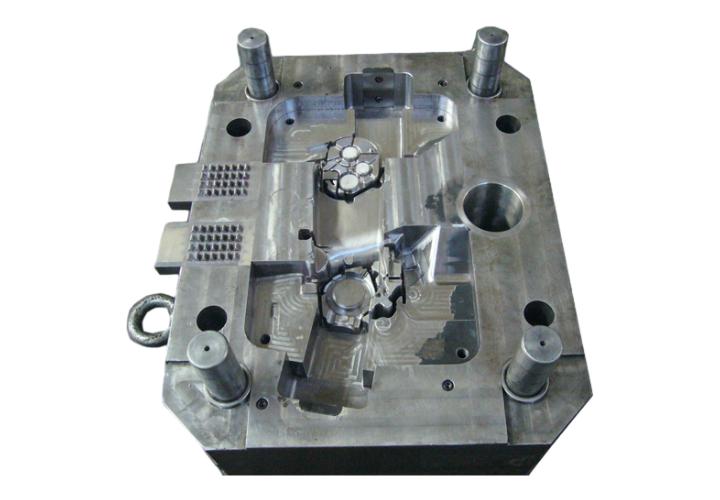
Firstly, it's essential to recognize the different types of forging molds available. There are two primary categories: open and closed molds. Open molds allow the metal to flow freely, making them suitable for simpler shapes. In contrast, closed molds encapsulate the material, which is ideal for producing more intricate designs with enhanced dimensional accuracy. Selecting the appropriate mold type is crucial for achieving the desired characteristics of the finished product.
The manufacturing process utilizing forging molds offers several benefits. One of the significant advantages is the inherent strength of forged components. The process aligns the grain structure of the metal, leading to improved mechanical properties such as increased tensile strength and resistance to fatigue. This is particularly beneficial in industries where reliability and durability are paramount, such as automotive and aerospace.
Furthermore, forging molds contribute to cost-effectiveness in production. While the initial investment in high-quality molds may be substantial, they typically have a long service life and can produce a high volume of parts with consistent quality. This efficiency not only reduces waste but also minimizes the need for extensive post-processing, thereby saving time and resources.
Applications of forging molds extend across various sectors. They are widely used in producing automotive parts, industrial machinery, and even consumer goods. Each application requires a tailored approach to mold design, considering factors such as material properties, end-use requirements, and production volume. Therefore, collaboration with experienced mold designers and manufacturers is fundamental to ensuring the right specifications are met.
In conclusion, understanding the role of forging molds in the manufacturing process is vital for anyone involved in machine processing and mold production. By recognizing the types, benefits, and diverse applications of these molds, manufacturers can make informed decisions that enhance their production capabilities. Whether you are looking to improve product quality or streamline production efficiency, investing in the right forging molds can pave the way for success in your manufacturing endeavors.
best Forging Molds

03
2026-10
The Versatility and Advantages of Aluminum Alloys in Modern Applications
30
2026-09
The Art of Crafting Durable Aluminum Casts for Industrial Applications
27
2026-09
The Essential Guide to Die Casting: Techniques, Applications, and Benefits
24
2026-09
How to Stay Ahead in Mold Forging: Insights for Manufacturers
21
2026-09
The Essential Guide to Forging Molds: Understanding Their Importance in Manufacturing
18
2026-09
Zinc Die Casting Parts: A Premier Cost-Effective Solution for Customized Manufacturing
15
2026-09
The Intricacies of Zinc Alloy Die Casting: A Comprehensive Overview
GM Diecasting Technology Co.,Limited.
Add:Building 1-5, Chongke Road, Shipai Town, Dongguan City, Guangdong Province
Email:henry@gmdiecastingtech.com
Email:lily@gmdiecastingtech.com
Tel:+8613680864695