



29
2025
-
04
Significant influence of mold forging on the properties of metal materials
Author:
Mold forging is an important metal processing technology, which has a significant impact on the properties of metal materials in many aspects.
First, mold forging can significantly improve the strength of metal materials. During the mold forging process, the metal material undergoes plastic deformation under the constraint of the mold, and the grains inside it are elongated, broken and rearranged along the deformation direction. This phenomenon of grain refinement increases the dislocation density inside the metal, hinders the movement of dislocations, and thus improves the yield strength and tensile strength of the material. For example, the strength of carbon steel after mold forging can be increased by 30% - 50% compared with the original material, which enables forgings to withstand greater loads and is widely used in key components in the field of mechanical engineering, such as automobile engine crankshafts.
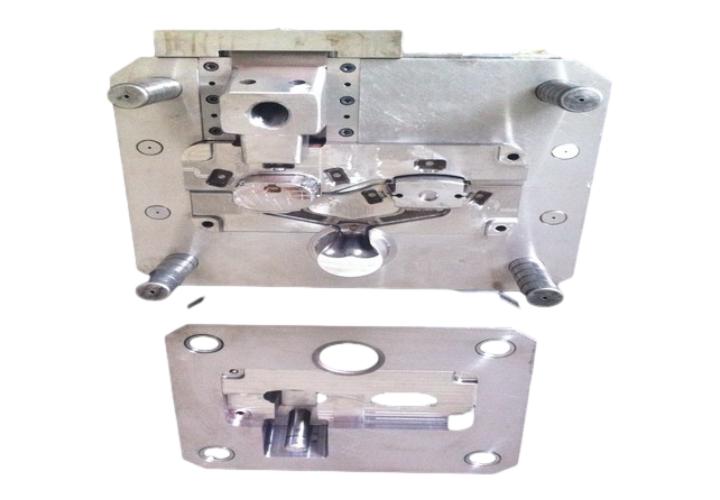
Second, mold forging can improve the toughness of metal materials. Although mold forging causes a large deformation of the metal, a reasonable mold forging process can avoid excessive defects in the material. By making the material structure more uniform and reducing stress concentration points, the stress inside the material can be more evenly distributed and transmitted when impacted by external forces, thereby improving the toughness of the material.
Furthermore, mold forging also affects the hardness of metals. Generally speaking, the hardness of metal materials will increase after mold forging. This is because the deformation and work hardening during the mold forging process enhance the material's ability to resist local deformation, thereby improving the surface hardness and overall hardness to a certain extent.
In addition, mold forging is also beneficial to improving the fatigue performance of metal materials. Mold forging makes the internal structure of the material denser and reduces microscopic defects. Under cyclic loads, the material is less likely to produce fatigue cracks and expand, thereby extending the life of the used parts. In short, mold forging is an effective processing method that can comprehensively improve the performance of metal materials.
Mold forging

03
2026-10
The Versatility and Advantages of Aluminum Alloys in Modern Applications
30
2026-09
The Art of Crafting Durable Aluminum Casts for Industrial Applications
27
2026-09
The Essential Guide to Die Casting: Techniques, Applications, and Benefits
24
2026-09
How to Stay Ahead in Mold Forging: Insights for Manufacturers
21
2026-09
The Essential Guide to Forging Molds: Understanding Their Importance in Manufacturing
18
2026-09
Zinc Die Casting Parts: A Premier Cost-Effective Solution for Customized Manufacturing
15
2026-09
The Intricacies of Zinc Alloy Die Casting: A Comprehensive Overview
GM Diecasting Technology Co.,Limited.
Add:Building 1-5, Chongke Road, Shipai Town, Dongguan City, Guangdong Province
Email:henry@gmdiecastingtech.com
Email:lily@gmdiecastingtech.com
Tel:+8613680864695