



24
2024
-
10
The Role of Forging Molds china in Enhancing Product Quality
Author:
The Role of Forging Molds in Enhancing Product Quality
Table of Contents
- Introduction to Forging and Molds
- What Are Forging Molds?
- Types of Forging Molds
- Design Considerations for Effective Forging Molds
- Impact of Forging Molds on Product Quality
- Advantages of Using Forging Molds in Manufacturing
- Applications of Forging Molds Across Industries
- Future Trends in Forging Mold Technology
- Conclusion
- FAQs about Forging Molds
Introduction to Forging and Molds
In the realm of manufacturing, the quality of the finished product is paramount. Forging, a vital process in metalworking, involves shaping metal using localized compressive forces. The precision and effectiveness of this process largely depend on the forging molds employed. Molds serve as the blueprint for the desired shape and structure of the final output, playing an essential role in determining product quality. Understanding how forging molds enhance product quality is crucial for manufacturers aiming for excellence.
What Are Forging Molds?
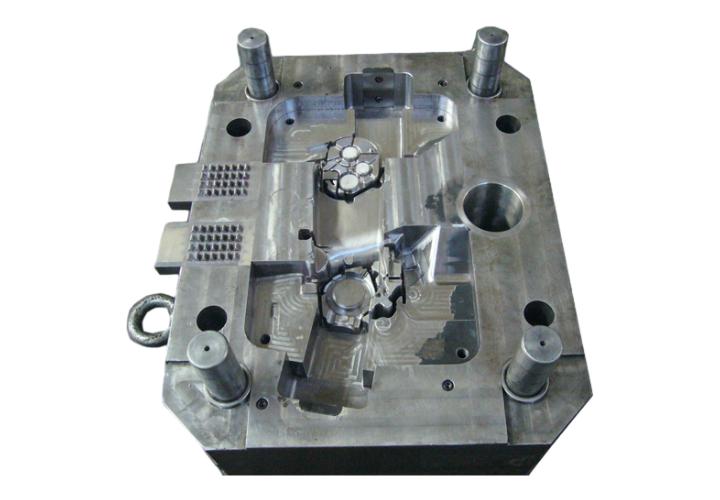
Forging molds, also known as dies, are specialized tools designed to shape molten or heated metal into specific forms. They are typically made from high-strength materials capable of withstanding extreme pressures and temperatures. The efficacy of forging molds is determined by their design, material composition, and the manufacturing processes used to create them.
Types of Forging Molds
Open Die Forging Molds
Open die forging involves shaping metal between two flat dies. This method is ideal for large components and allows for significant deformation of the material. Open die molds provide flexibility in design and are often used for products requiring high strength and durability.
Closed Die Forging Molds
Closed die forging, also known as impression die forging, utilizes molds that encompass the material completely. This method ensures precise dimensional accuracy and is commonly used for producing complex shapes. Closed die molds are essential for high-volume manufacturing where consistency is critical.
Vertical and Horizontal Forging Molds
Vertical and horizontal forging molds refer to the orientation of the forging press. Vertical molds are often used for operations that require gravity assistance, while horizontal molds are suited for automated processes. The choice between vertical and horizontal molds depends on the specific requirements of the manufacturing operation.
Design Considerations for Effective Forging Molds
The design of forging molds is a multifaceted process that requires careful consideration of various factors to ensure optimal performance.
Material Selection
Choosing the right material for forging molds is crucial. Common materials include tool steels, alloys, and composites that can withstand high temperatures and resist wear. The selected material must match the specifics of the metal being forged to minimize defects.
Dimensional Accuracy
Precision in dimensions is vital for achieving high product quality. Molds must be designed with tight tolerances to ensure that the forged parts meet exact specifications. This precision reduces the need for additional machining, saving time and resources.
Thermal Considerations
The thermal properties of forging molds influence their performance. Molds must be designed to withstand thermal cycling during the forging process. Proper cooling systems can be integrated into the design to manage heat build-up and prolong mold life.
Impact of Forging Molds on Product Quality
The quality of forging molds directly influences the overall quality of the finished product. Here are several ways in which molds enhance product quality:
Consistency and Uniformity
High-quality molds ensure that each forged part maintains consistent dimensions and properties. This uniformity is essential for applications where component interchangeability is required.
Reduction of Defects
Utilizing precision-engineered molds minimizes defects such as porosity, cracks, and misalignments. With fewer defects, manufacturers can deliver higher-quality products that meet regulatory and industry standards.
Improved Mechanical Properties
Forging molds help in refining the grain structure of metals, leading to enhanced mechanical properties such as strength, toughness, and fatigue resistance. This improvement is particularly advantageous in industries like aerospace and automotive, where performance and safety are critical.
Advantages of Using Forging Molds in Manufacturing
The use of forging molds offers several key advantages that contribute to enhanced product quality and efficiency.
Increased Production Efficiency
Forging molds enable high-speed production with minimal waste. The ability to create multiple parts in a single operation streamlines the manufacturing process, allowing businesses to scale operations effectively.
Cost-Effectiveness
Although the initial investment in high-quality molds may be substantial, the long-term cost savings achieved through reduced waste and fewer defects make them a cost-effective choice. Additionally, molds that require less post-processing result in lower overall production costs.
Versatility in Design
Modern forging molds can be designed to accommodate complex geometries, allowing manufacturers to create intricate shapes that would be challenging using traditional methods. This versatility opens the door to innovative product designs and applications.
Applications of Forging Molds Across Industries
Forging molds find applications in various industries, each benefiting from enhanced product quality.
Aerospace Industry
In the aerospace sector, forging molds are used to create high-strength components that withstand extreme conditions. The precision and reliability of forged parts are vital for aircraft safety and performance.
Automotive Industry
Automotive manufacturers rely on forging molds for producing critical components such as crankshafts, connecting rods, and gears. The durability and strength of forged parts are essential for vehicle performance and longevity.
Industrial Machinery
Forging molds are extensively used in the production of industrial machinery components, where strength and precision are paramount. These molds help create parts that can endure heavy loads and harsh operating conditions.
Future Trends in Forging Mold Technology
As technology evolves, so does the world of forging molds. Several trends are shaping the future of this essential component of manufacturing.
Advanced Materials
The development of new materials, such as high-performance ceramics and composites, promises to enhance the longevity and performance of forging molds. These materials can withstand higher temperatures and offer better wear resistance.
Smart Manufacturing
The integration of smart technology, including sensors and IoT capabilities, in forging molds allows for real-time monitoring of the forging process. This advancement leads to improved precision, reduced downtime, and enhanced overall product quality.
Sustainability Practices
With a growing emphasis on sustainability, manufacturers are exploring eco-friendly materials and processes in the production of forging molds. This shift not only benefits the environment but also meets the increasing consumer demand for sustainable products.
Conclusion
Forging molds play a pivotal role in enhancing product quality in various manufacturing sectors. Their design, material composition, and precision directly impact the consistency, durability, and performance of forged parts. As industries continue to evolve, the importance of investing in high-quality forging molds becomes increasingly clear. By understanding the benefits and applications of forging molds, manufacturers can elevate their production processes, ensuring they meet the highest standards of quality and efficiency.
FAQs about Forging Molds
1. What is the primary purpose of forging molds?
The primary purpose of forging molds is to shape molten or heated metal into specific forms, ensuring precision and consistency in the final product.
2. How do open die and closed die forging differ?
Open die forging involves shaping metal between two flat dies, while closed die forging utilizes molds that completely enclose the material, allowing for more complex shapes and better dimensional accuracy.
3. What materials are commonly used for forging molds?
Common materials for forging molds include tool steels, alloys, and high-performance composites that can withstand extreme temperatures and pressures.
4. How can the design of forging molds affect product quality?
The design of forging molds affects product quality by ensuring dimensional accuracy, reducing defects, and improving the mechanical properties of the forged parts.
5. What are the latest trends in forging mold technology?
Key trends include the use of advanced materials, integration of smart manufacturing technologies, and a focus on sustainability practices in mold production.
By focusing on the importance of forging molds and their impact on product quality, manufacturers can better appreciate their role in the manufacturing process and strive for continuous improvements.
Forging Molds china
30
2026-09
The Art of Crafting Durable Aluminum Casts for Industrial Applications
27
2026-09
The Essential Guide to Die Casting: Techniques, Applications, and Benefits
24
2026-09
How to Stay Ahead in Mold Forging: Insights for Manufacturers
21
2026-09
The Essential Guide to Forging Molds: Understanding Their Importance in Manufacturing
18
2026-09
Zinc Die Casting Parts: A Premier Cost-Effective Solution for Customized Manufacturing
15
2026-09
The Intricacies of Zinc Alloy Die Casting: A Comprehensive Overview
12
2026-09
The Art of Creating Intricate Designs Through Aluminum Prototype Casting
GM Diecasting Technology Co.,Limited.
Add:Building 1-5, Chongke Road, Shipai Town, Dongguan City, Guangdong Province
Email:henry@gmdiecastingtech.com
Email:lily@gmdiecastingtech.com
Tel:+8613680864695