



23
2024
-
10
The Essential Guide to quality Forging Molds: Understanding Their Role in Manufacturing
Author:
In the manufacturing industry, forging molds play a crucial role in shaping metal into desired forms. These molds serve as templates for shaping heated metal through the application of pressure, which leads to the formation of various components, ranging from simple shapes to complex geometries. Understanding the intricacies of forging molds is essential for professionals involved in manufacturing and machining processes.
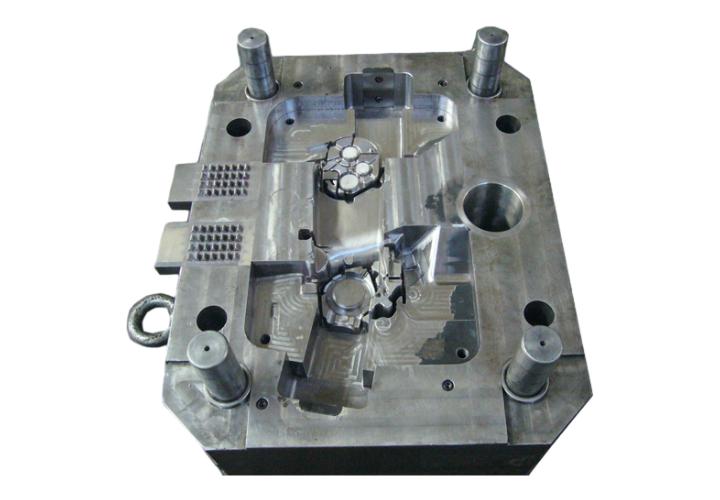
Quality Forging molds are typically made from high-strength materials that can withstand elevated temperatures and intense mechanical stress. Common materials include tool steel, aluminum, and various alloys specifically designed for high performance. The choice of material greatly influences the mold's durability and the quality of the forged product.
The design of a forging mold is critical, as it directly impacts the efficiency of the forging process and the overall quality of the final product. Key design considerations include the mold's geometry, the flow of material during the forging process, and the cooling rates after shaping. An adequately designed mold can minimize defects and optimize the mechanical properties of the forged parts, ensuring they meet the required specifications.
Another important aspect of forging molds is the machining process involved in their creation. Precision machining techniques, such as CNC milling and electrical discharge machining (EDM), are often employed to achieve the necessary accuracy and surface finish. The quality of the machining process can greatly affect the performance of the mold and the consistency of the forged components.
One of the significant advantages of using forging molds in manufacturing is the reduction of material waste. Unlike traditional machining processes that often involve cutting away excess material, forging molds shape the metal directly, allowing for more efficient use of raw materials. This not only lowers production costs but also aligns with sustainability goals by minimizing waste generation.
Finally, it is essential to consider the maintenance and lifecycle management of forging molds. Regular inspection and maintenance can prevent premature wear and extend the lifespan of the mold, ensuring consistent quality in production. Additionally, advancements in technology, such as the use of computer simulations and predictive maintenance tools, can enhance the performance and longevity of forging molds.
In summary, forging molds are integral to the manufacturing process, providing a means to efficiently shape metal while ensuring quality and reducing waste. Understanding their design, material considerations, and maintenance can significantly contribute to improved manufacturing outcomes, making this knowledge invaluable for industry professionals.
quality Forging Molds
30
2026-09
The Art of Crafting Durable Aluminum Casts for Industrial Applications
27
2026-09
The Essential Guide to Die Casting: Techniques, Applications, and Benefits
24
2026-09
How to Stay Ahead in Mold Forging: Insights for Manufacturers
21
2026-09
The Essential Guide to Forging Molds: Understanding Their Importance in Manufacturing
18
2026-09
Zinc Die Casting Parts: A Premier Cost-Effective Solution for Customized Manufacturing
15
2026-09
The Intricacies of Zinc Alloy Die Casting: A Comprehensive Overview
12
2026-09
The Art of Creating Intricate Designs Through Aluminum Prototype Casting
GM Diecasting Technology Co.,Limited.
Add:Building 1-5, Chongke Road, Shipai Town, Dongguan City, Guangdong Province
Email:henry@gmdiecastingtech.com
Email:lily@gmdiecastingtech.com
Tel:+8613680864695