



22
2024
-
10
Top Applications for best Zinc Die Casting Parts in Heavy Machinery
Author:
Top Applications for Zinc Die Casting Parts in Heavy Machinery
Introduction to Zinc Die Casting in Heavy Machinery
Best Zinc die casting has emerged as a preferred manufacturing method in the heavy machinery sector, revolutionizing the way parts are produced and assembled. This process involves the injection of molten zinc into a mold, allowing for the creation of intricate and precise components with remarkable consistency and strength. As industries evolve, the demand for durable, lightweight, and high-performance machinery has surged, positioning zinc die casting as a crucial technique to meet these needs.
Understanding Zinc Die Casting
Zinc die casting is a process characterized by the following:
1. The Casting Process
The die casting process begins with the preparation of the mold, which is often made from steel to withstand the high pressures involved. The molten zinc is then injected into the mold at high velocity, allowing it to fill every corner with precision.
2. The Advantages of Zinc
Zinc not only offers excellent machinability but also provides superior corrosion resistance and strength. These properties make zinc die casting parts ideal for heavy machinery, where durability and reliability are paramount.
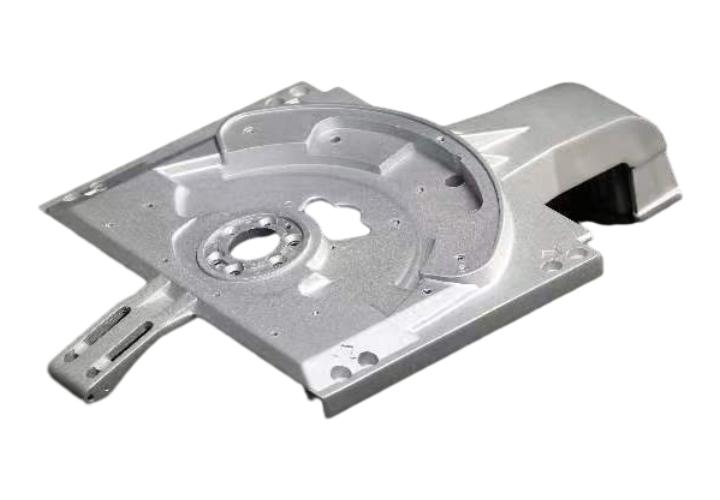
Key Applications of Zinc Die Casting Parts in Heavy Machinery
The versatility of zinc die casting allows it to be utilized in various applications within the heavy machinery industry. Here are some of the most significant applications:
1. Engine Components
Zinc die casting plays a pivotal role in manufacturing essential engine components such as housings, brackets, and covers. These parts benefit from zinc's ability to withstand high temperatures and resist corrosion, ensuring optimal engine performance and longevity.
Benefits for Engine Components
- **Lightweight Construction**: Reduces overall vehicle weight, enhancing fuel efficiency.
- **Heat Resistance**: Maintains structural integrity under high operating temperatures.
- **Corrosion Resistance**: Prolongs the lifespan of engine components in harsh environments.
2. Hydraulic Systems
The hydraulic systems in heavy machinery rely on precision-engineered components for effective operation. Zinc die casting provides a reliable solution for producing parts such as valve bodies, pumps, and fittings.
Advantages for Hydraulic Systems
- **Precision Fit**: Ensures seamless integration of components for optimal functionality.
- **Durability**: Withstands high pressures and temperatures typical in hydraulic applications.
- **Cost-Effectiveness**: Reduces manufacturing costs without compromising quality.
3. Structural Components
Heavy machinery often requires robust structural components, including frames and support structures. Zinc die casting allows for the production of lightweight yet strong parts that can handle substantial loads.
Benefits for Structural Components
- **High Strength-to-Weight Ratio**: Provides necessary strength while minimizing weight.
- **Design Flexibility**: Facilitates complex shapes and configurations.
- **Enhanced Safety**: Reduces the risk of structural failure during operation.
4. Electrical Components
In today's machinery, electrical components are essential for automation and control. Zinc die casting is used to create components such as housings and connectors, which need to withstand environmental factors.
Advantages for Electrical Components
- **Electromagnetic Shielding**: Protects sensitive electronics from interference.
- **Heat Dissipation**: Enhances the performance and reliability of electrical systems.
- **Durability**: Ensures long-lasting performance even in challenging conditions.
5. Fasteners and Connectors
Fasteners and connectors are critical for the assembly and maintenance of heavy machinery. Zinc die casting offers a reliable method for producing these components, ensuring they can withstand the rigors of heavy use.
Benefits for Fasteners and Connectors
- **Consistent Quality**: Guarantees uniformity in size and strength.
- **Resistance to Deformation**: Maintains integrity under stress.
- **Corrosion Resistance**: Ensures longevity in various environments.
Why Choose Zinc Die Casting? The Benefits
Beyond its applications, zinc die casting offers numerous advantages that make it a preferred choice in heavy machinery.
1. Cost Efficiency
Zinc die casting is cost-effective for mass production, resulting in lower per-unit costs. The process can produce parts quickly and in large quantities, reducing labor and material costs.
2. High-Quality Finish
The die-casting process can yield parts with excellent surface finishes, often eliminating or reducing the need for additional finishing processes. This feature is crucial for components that require aesthetic appeal and functionality.
3. Sustainability
Zinc is a recyclable material, contributing to sustainability efforts in manufacturing. The ability to reuse materials minimizes waste and supports eco-friendly practices.
Future Trends in Zinc Die Casting for Heavy Machinery
As technology advances, the zinc die casting industry is poised for growth. Innovations such as automation, 3D printing, and enhanced materials will further enhance the efficiency and effectiveness of the die casting process.
1. Automation in Manufacturing
Automated systems are streamlining the zinc die casting process, reducing human error and increasing production speed. This trend will likely lead to higher quality parts and greater efficiency.
2. Integration of Smart Technology
The advent of Industry 4.0 and smart technology is transforming heavy machinery manufacturing. Integrating sensors and data analytics into zinc die casting processes can optimize operations and predict maintenance needs.
Frequently Asked Questions (FAQs)
1. What metals are commonly used in die casting?
Zinc, aluminum, and magnesium are the most common metals used in die casting, each offering unique properties suited for different applications.
2. How does zinc die casting compare to aluminum die casting?
Zinc die casting typically provides a better surface finish, greater strength, and a lower melting temperature compared to aluminum die casting, making it more suitable for specific applications.
3. What industries benefit from zinc die casting?
Industries such as automotive, aerospace, electronics, and heavy machinery extensively use zinc die casting for various components due to its durability and cost-effectiveness.
4. Can zinc die casting be used for intricate designs?
Yes, zinc die casting is particularly well-suited for complex and detailed designs, making it an ideal choice for intricate parts in heavy machinery.
5. What are the environmental benefits of zinc die casting?
Zinc is recyclable, and the die casting process generates minimal waste. This makes zinc die casting a more sustainable choice compared to other manufacturing methods.
Conclusion
Zinc die casting is a vital process in the heavy machinery industry, offering numerous benefits that enhance performance, durability, and cost-efficiency. As we move forward, the integration of innovative technologies will further solidify the role of zinc die casting in manufacturing high-quality parts for heavy machinery. By understanding the applications and advantages of zinc die casting, manufacturers can make informed decisions that optimize their operations and deliver superior products to the market. Investing in zinc die casting technology is not just a choice; it is a strategic step towards a more efficient and sustainable future in heavy machinery manufacturing.
Best Zinc die casting
30
2026-09
The Art of Crafting Durable Aluminum Casts for Industrial Applications
27
2026-09
The Essential Guide to Die Casting: Techniques, Applications, and Benefits
24
2026-09
How to Stay Ahead in Mold Forging: Insights for Manufacturers
21
2026-09
The Essential Guide to Forging Molds: Understanding Their Importance in Manufacturing
18
2026-09
Zinc Die Casting Parts: A Premier Cost-Effective Solution for Customized Manufacturing
15
2026-09
The Intricacies of Zinc Alloy Die Casting: A Comprehensive Overview
12
2026-09
The Art of Creating Intricate Designs Through Aluminum Prototype Casting
GM Diecasting Technology Co.,Limited.
Add:Building 1-5, Chongke Road, Shipai Town, Dongguan City, Guangdong Province
Email:henry@gmdiecastingtech.com
Email:lily@gmdiecastingtech.com
Tel:+8613680864695