



23
2025
-
01
Zinc Die Casting: Surface Finish and Treatment
Author:
Surface finish and treatment are crucial aspects in the Zinc Die Casting process.
1. Surface Finish
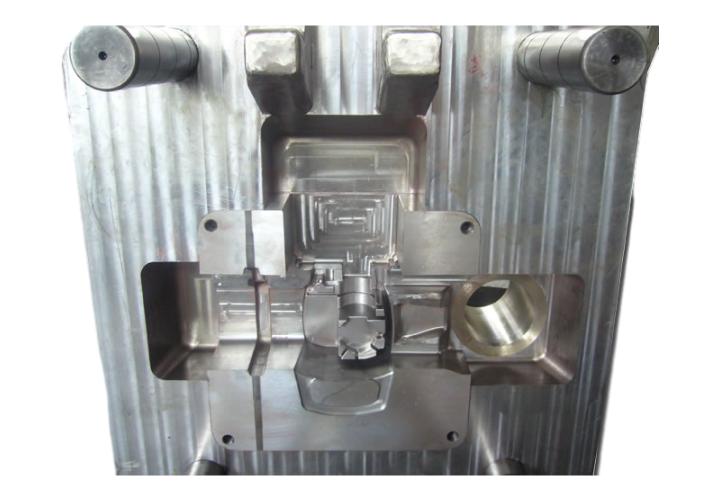
The surface finish of Zinc Die Casting products depends largely on the quality of the mold. High-quality molds can give the product a smooth surface during the die casting process. During die casting, the zinc liquid quickly fills the mold cavity with high pressure. If the mold cavity surface is smooth and flawless enough, the surface of the zinc casting after molding will also be relatively smooth. For example, the mold made by precision machining technology can control the surface roughness of the cavity to a very low level, so as to ensure that the surface of the Zinc Die Casting product will not have obvious lines or pits.
In addition, the die casting parameters will also affect the surface finish. The appropriate die casting pressure, temperature and speed help the zinc liquid to fill the mold evenly and reduce the factors that may cause surface unevenness, such as pores, flow marks, etc.
2. Surface Treatment
Electroplating
Electroplating is a common surface treatment method for Zinc Die Casting products. Through electroplating, a layer of metal, such as chromium, nickel, etc., can be plated on the surface of zinc castings. Electroplating can not only improve the aesthetics of the product and give it a metallic luster, but also enhance the corrosion resistance of the product. For example, on some Zinc Die Casting decorations or hardware, the surface is as bright as a mirror after chrome plating, and it can prevent rust under certain conditions.
Coating
Coating is also a commonly used treatment method. It can give Zinc Die Casting products various colors and increase the decorativeness of the products. And high-quality coatings can also provide additional protection to prevent zinc from being oxidized or corroded in certain environments. Before painting, the surface of Zinc Die Casting usually needs to be pre-treated, such as degreasing, polishing, etc., to ensure the adhesion of the paint.
Passivation treatment
Passivation treatment can form a passivation film on the surface of Zinc Die Casting, which can effectively improve the corrosion resistance of zinc and enable it to maintain good performance in a relatively harsh environment.
Zinc Die Casting
30
2026-09
The Art of Crafting Durable Aluminum Casts for Industrial Applications
27
2026-09
The Essential Guide to Die Casting: Techniques, Applications, and Benefits
24
2026-09
How to Stay Ahead in Mold Forging: Insights for Manufacturers
21
2026-09
The Essential Guide to Forging Molds: Understanding Their Importance in Manufacturing
18
2026-09
Zinc Die Casting Parts: A Premier Cost-Effective Solution for Customized Manufacturing
15
2026-09
The Intricacies of Zinc Alloy Die Casting: A Comprehensive Overview
12
2026-09
The Art of Creating Intricate Designs Through Aluminum Prototype Casting
GM Diecasting Technology Co.,Limited.
Add:Building 1-5, Chongke Road, Shipai Town, Dongguan City, Guangdong Province
Email:henry@gmdiecastingtech.com
Email:lily@gmdiecastingtech.com
Tel:+8613680864695