
NEWS

Company News


08-07

Innovative Designs: Leveraging Zinc Die Casting for Mold Production
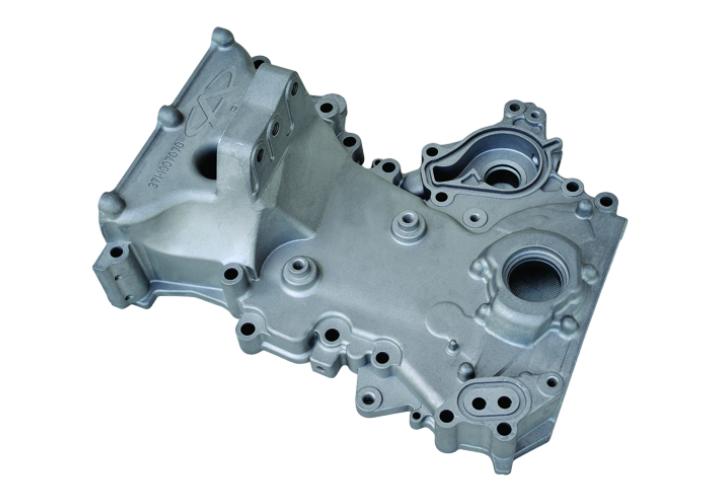
Innovative Designs: Leveraging Zinc Die Casting for Mold Production Introduction to Zinc Die Casting in Mold Production Zinc die casting has emerged as a vital process in the manufacturing industry, specifically in mold production. This technique, known for its precision and efficiency, utilizes molten zinc to create intricate designs and complex shapes. With the continuous demand for high-quali
08-06

Understanding Zinc Die Casting: A Key Process in Manufacturing
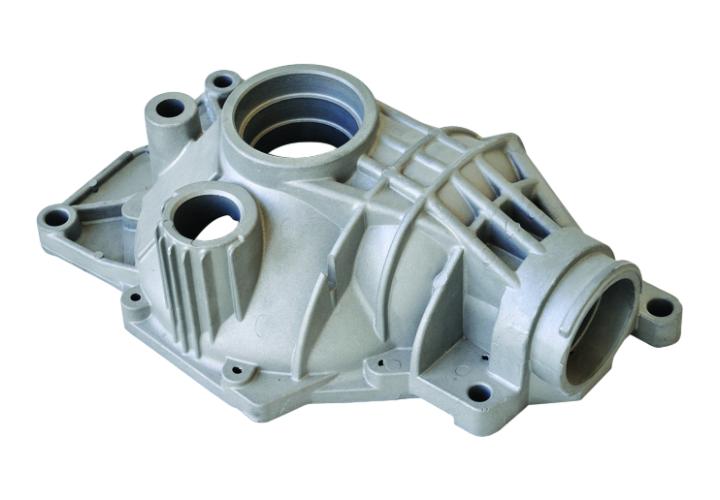
Zinc die casting is a metal casting process that involves forcing molten zinc alloy into a mold cavity under high pressure. This method is favored for its ability to produce components with excellent dimensional accuracy and a smooth surface finish. The process is particularly beneficial in applications where precision and aesthetics are paramount. One of the main advantages of zinc die casting is
08-05

Unlocking the Strength of Zinc Alloy: A Complete Guide
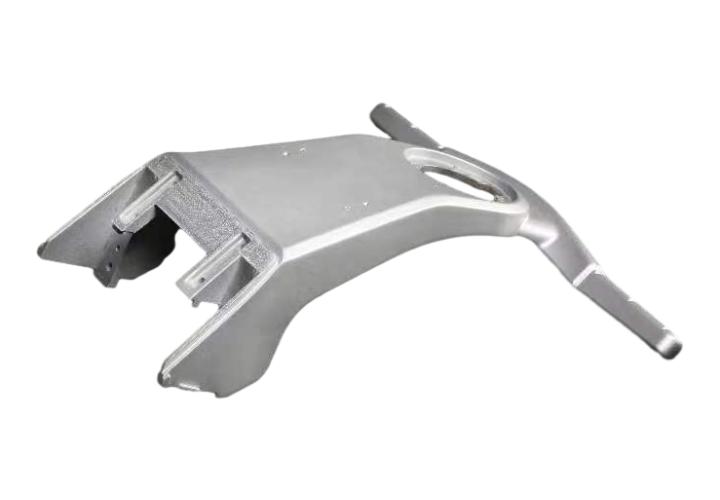
Unlocking the Strength of Zinc Alloy: A Complete Guide Table of Contents 1. Introduction to Zinc Alloys 2. What is Zinc Alloy? 3. Key Properties of Zinc Alloys 3.1 Strength and Durability 3.2 Corrosion Resistance 3.3 Malleability and Workability 3.4 Thermal and Electrical Conductivity 4. Types of Zinc Alloys 4.1 Die-Casting Zinc Alloys 4.2 Wrought Zinc Alloys 5. Applications of Zinc Alloys 5.1 Aut
08-04

Understanding Zinc Alloys: Properties Applications and Benefits

Zinc alloys are metals composed primarily of zinc combined with other elements such as aluminum, copper, and magnesium. These alloys are widely recognized for their impressive properties, making them suitable for a variety of applications. One of the most significant advantages of zinc alloys is their excellent corrosion resistance, which is crucial in environments where moisture and exposure to h
08-03

The Evolution of Aluminum Alloy: From Past to Present
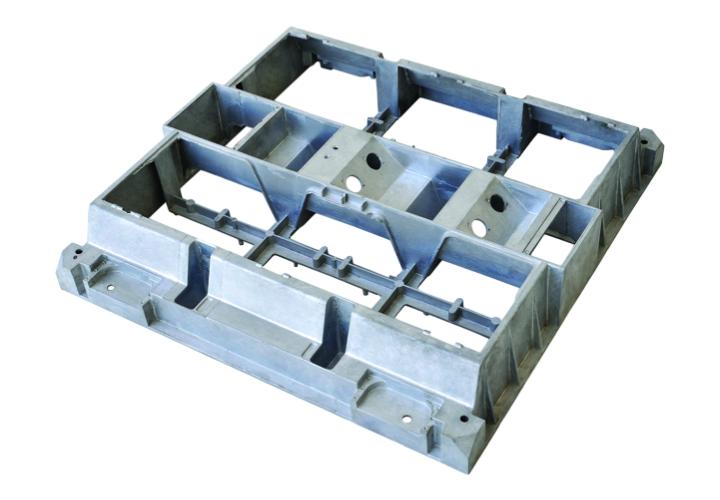
The Evolution of Aluminum Alloy: From Past to Present Table of Contents 1. Understanding Aluminum Alloys 2. The Historical Context of Aluminum 3. Key Types of Aluminum Alloys 3.1 Wrought Aluminum Alloys 3.2 Cast Aluminum Alloys 4. The Process of Aluminum Alloy Production 5. Applications of Aluminum Alloys in Various Industries 6. The Future of Aluminum Alloys 7. FAQs About Aluminum Alloys 8. Concl
08-02

How to choose a prototype aluminum casting manufacturer
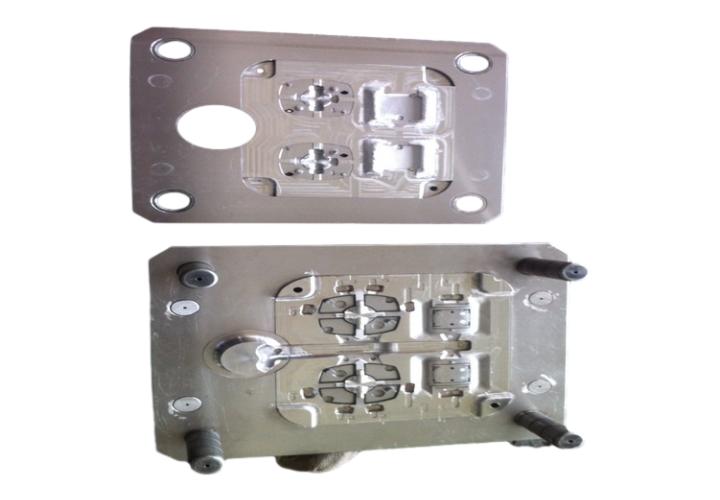
In many industrial fields, prototype aluminum casting plays an important role. When you need to choose a prototype aluminum casting manufacturer, the following aspects need to be focused on.
08-02

The Versatile World of Aluminum Alloys: Properties Uses and Benefits

Aluminum alloys are a critical component in modern engineering and manufacturing, prized for their lightweight, strength, and resistance to corrosion. Composed primarily of aluminum, these alloys are augmented with other elements such as copper, magnesium, manganese, silicon, and zinc to enhance specific properties. The result is a diverse range of materials that cater to a plethora of application
08-01

Unleashing the Power of Aluminum Casting in Manufacturing Processes: A Comprehensive Guide
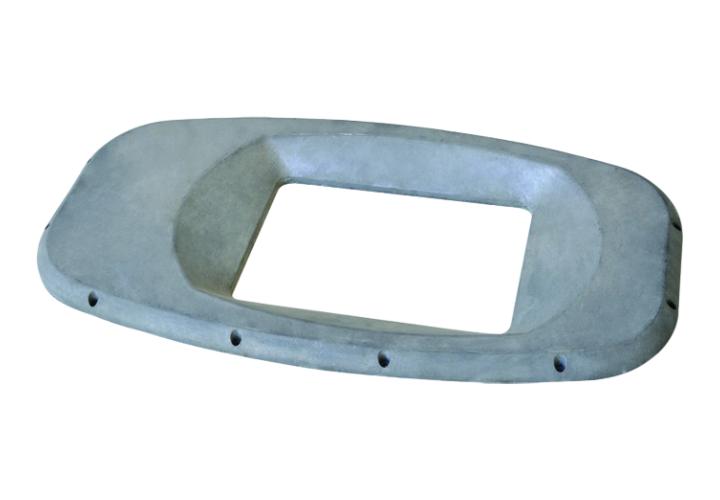
Unleashing the Power of Aluminum Casting in Manufacturing Processes Aluminum casting has emerged as a cornerstone in the manufacturing industry, offering unparalleled benefits that drive efficiency and innovation. This extensive guide delves into the various facets of aluminum casting, exploring its techniques, applications, and advantages. By understanding the power of aluminum casting, manufactu
< 1...394041...54 >