



03
2025
-
12
The Future of Machining: Innovations in Aluminum Alloy Mold Advancements
Author:
The Future of Machining: Innovations in Aluminum Alloy Mold Advancements
Table of Contents
- Introduction to Aluminum Alloy Molds
- Understanding Aluminum Alloys
- Benefits of Using Aluminum Alloy Molds
- Technological Advancements in Machining Processes
- Key Applications of Aluminum Alloy Molds
- Challenges in Aluminum Alloy Machining and Solutions
- Future Prospects of Aluminum Alloy Molds in Machining
- Frequently Asked Questions
- Conclusion
Introduction to Aluminum Alloy Molds
In the rapidly evolving landscape of machining, **aluminum alloy molds** have emerged as a pivotal component, revolutionizing the manufacturing industry. These molds are not only lightweight and durable but also offer exceptional thermal conductivity and corrosion resistance. As industries strive for efficiency and sustainability, the adoption of aluminum alloys in mold-making processes is set to gain unprecedented momentum.
Understanding Aluminum Alloys
Aluminum alloys are categorized into two main types: wrought and cast. Wrought alloys are more malleable and are processed by mechanical means, while cast alloys are produced by pouring molten metal into a mold. The most common alloying elements used include copper, zinc, magnesium, silicon, and manganese, each imparting unique properties to the aluminum.
Key Properties of Aluminum Alloys
1. **Lightweight**: Aluminum alloys possess a low density, making them ideal for applications where weight reduction is crucial.
2. **High Strength-to-Weight Ratio**: They offer an excellent strength-to-weight ratio, allowing manufacturers to produce robust molds without adding excessive weight.
3. **Corrosion Resistance**: The oxide layer that forms on aluminum protects it from corrosion, enhancing its longevity.
4. **Thermal Conductivity**: Aluminum's superior thermal conductivity enables efficient heat dissipation during the molding process.
Benefits of Using Aluminum Alloy Molds
The advantages of aluminum alloy molds extend beyond their physical properties. These molds provide numerous benefits that enhance manufacturing efficiency and product quality.
Cost-Effectiveness
Aluminum molds can be produced at a lower cost compared to steel molds. The shorter lead times associated with aluminum machining also contribute to reduced overall production costs.
Improved Cycle Times
The lightweight nature of aluminum allows for faster mold changes and quicker production cycles. This acceleration translates to higher throughput and greater profitability for manufacturers.
Enhanced Surface Finish
Aluminum alloys can achieve finer surface finishes, resulting in improved product quality and reduced post-processing requirements.
Technological Advancements in Machining Processes
Technological advancements in machining have played a vital role in enhancing the capabilities of aluminum alloy molds. The integration of sophisticated software and machinery has transformed traditional practices, making them more efficient and precise.
Computer Numerical Control (CNC) Machining
CNC machining has revolutionized the manufacturing process by allowing for intricate designs and high precision. With CNC technology, manufacturers can produce complex aluminum molds with unparalleled accuracy, reducing waste and improving quality.
Additive Manufacturing
Additive manufacturing, or 3D printing, has opened new avenues for creating aluminum molds. This technology allows for rapid prototyping, enabling manufacturers to iterate designs quickly and efficiently.
Advanced Coatings and Treatments
The development of advanced coatings enhances the performance of aluminum molds. These coatings improve wear resistance and extend the lifespan of molds, further driving the adoption of aluminum alloys in machining.
Key Applications of Aluminum Alloy Molds
Aluminum alloy molds find applications across various industries, driven by their unique advantages.
Automotive Industry
In the automotive sector, aluminum molds are essential for producing lightweight components that enhance fuel efficiency. They are used to create parts such as dashboards, panels, and engine components.
Aerospace Industry
The aerospace industry benefits from aluminum molds due to their lightweight and strength properties. Aluminum components are crucial for aircraft structures, improving performance and fuel efficiency.
Consumer Electronics
Aluminum molds are widely used in consumer electronics manufacturing for producing housings and components that require precision and durability.
Challenges in Aluminum Alloy Machining and Solutions
Despite the numerous advantages, the machining of aluminum alloys comes with its own set of challenges.
Tool Wear
One significant issue in machining aluminum is tool wear. The abrasive nature of certain aluminum alloys can lead to increased wear on cutting tools. Solutions include utilizing advanced cutting tools made from materials like carbide or implementing coating technologies.
Heat Management
While aluminum has excellent thermal conductivity, excessive heat generation during machining can lead to material distortion. Employing effective cooling strategies, such as mist cooling or using high-pressure coolant, can mitigate this issue.
Surface Finish Issues
Achieving a high-quality surface finish can be challenging. Utilizing the right machining parameters and employing finishing techniques like polishing or anodizing can enhance the final product's aesthetics and performance.
Future Prospects of Aluminum Alloy Molds in Machining
The future of aluminum alloy molds in machining is promising, with several trends shaping the landscape.
Sustainability Initiatives
As industries increasingly prioritize sustainability, the lightweight nature of aluminum aligns with efforts to reduce carbon footprints. The incorporation of recycled aluminum in mold production is set to gain traction.
Smart Manufacturing Technologies
The integration of IoT (Internet of Things) and AI (Artificial Intelligence) in manufacturing processes will enhance the capabilities of aluminum alloy molds. Predictive maintenance and real-time data analytics will optimize production efficiency and reduce downtime.
Frequently Asked Questions
What advantages do aluminum alloy molds have over traditional steel molds?
Aluminum molds are lighter, cost-effective, and offer improved thermal conductivity, leading to faster production cycles and better surface finishes.
Are aluminum alloy molds suitable for high-volume production?
Yes, aluminum alloy molds can be effectively used for high-volume production due to their rapid manufacturing capabilities and durability.
What industries primarily use aluminum alloy molds?
Aluminum alloy molds are widely used in the automotive, aerospace, consumer electronics, and medical device industries.
How do advances in technology affect aluminum mold manufacturing?
Technological advancements, such as CNC machining and additive manufacturing, enable more precise, efficient, and versatile mold production.
What are the environmental implications of using aluminum alloys in machining?
Aluminum's lightweight properties contribute to energy efficiency, and the use of recycled aluminum supports sustainable manufacturing practices.
Conclusion
The advancements in aluminum alloy molds signify a transformative era in the machining industry. As manufacturers continue to embrace innovation, the benefits of aluminum alloys—ranging from cost-effectiveness to sustainability—will accelerate their adoption across various sectors. By understanding the properties, advantages, and future prospects of aluminum alloy molds, businesses can position themselves at the forefront of the machining revolution, ensuring efficiency, quality, and a competitive edge in the marketplace.
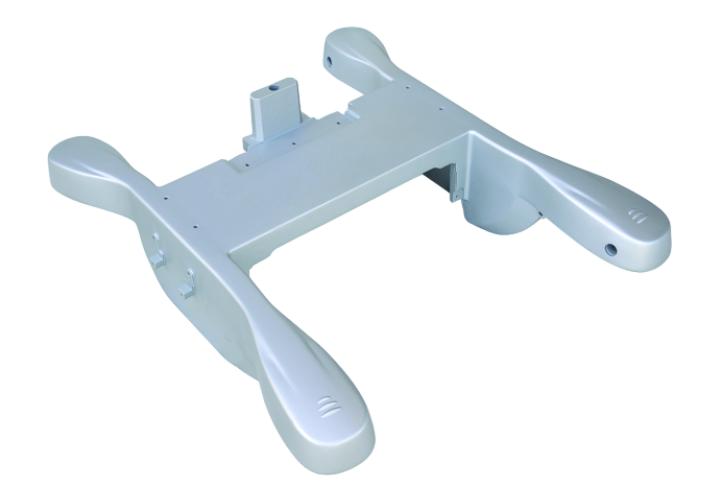
Aluminum alloy mold
30
2026-09
The Art of Crafting Durable Aluminum Casts for Industrial Applications
27
2026-09
The Essential Guide to Die Casting: Techniques, Applications, and Benefits
24
2026-09
How to Stay Ahead in Mold Forging: Insights for Manufacturers
21
2026-09
The Essential Guide to Forging Molds: Understanding Their Importance in Manufacturing
18
2026-09
Zinc Die Casting Parts: A Premier Cost-Effective Solution for Customized Manufacturing
15
2026-09
The Intricacies of Zinc Alloy Die Casting: A Comprehensive Overview
12
2026-09
The Art of Creating Intricate Designs Through Aluminum Prototype Casting
GM Diecasting Technology Co.,Limited.
Add:Building 1-5, Chongke Road, Shipai Town, Dongguan City, Guangdong Province
Email:henry@gmdiecastingtech.com
Email:lily@gmdiecastingtech.com
Tel:+8613680864695