



09
2025
-
12
Innovative Designs Made Possible: The Influence of Die Casting Machines
Author:
Innovative Designs Made Possible: The Influence of Die Casting Machines
Table of Contents
- 1. Introduction to Die Casting Machines
- 2. Understanding Die Casting: A Comprehensive Overview
- 3. Benefits of Using Die Casting Machines in Manufacturing
- 4. How Die Casting Machines Enable Innovative Designs
- 5. Applications of Die Casting Machines Across Various Industries
- 6. Future Trends and Innovations in Die Casting Technology
- 7. Maintenance and Care for Die Casting Machines
- 8. FAQs about Die Casting Machines
- 9. Conclusion
1. Introduction to Die Casting Machines
Die casting machines play a critical role in modern manufacturing by allowing companies to create intricate parts and components with exceptional precision. Through the process of injecting molten metal into a mold, these machines enable manufacturers to produce high-quality parts that meet stringent specifications. In this article, we delve into the transformative power of die casting machines, exploring their mechanics, benefits, and impact on innovative design.
2. Understanding Die Casting: A Comprehensive Overview
Die casting is a manufacturing process that involves forcing molten metal into a mold cavity under high pressure. The key advantages of die casting include the ability to create complex shapes, consistency in production, and superior surface finish. Common metals used in die casting include aluminum, zinc, and magnesium, each chosen for their specific properties.
2.1 Die Casting Process Explained
The die casting process consists of several key steps:
1. **Preparation of the Die**: The mold, or die, is created using high-quality steel to withstand extreme pressure and temperature.
2. **Melting the Metal**: The selected metal is melted in a furnace until it reaches a liquid state.
3. **Injection**: The molten metal is injected into the die at high pressure, filling the cavity.
4. **Cooling**: Once the metal solidifies, the die is opened, and the part is ejected.
5. **Trimming**: Any excess material, known as flash, is trimmed off to ensure a smooth finish.
2.2 Types of Die Casting Machines
There are primarily two types of die casting machines: hot chamber and cold chamber. Hot chamber machines are typically used for low melting point metals, while cold chamber machines are more suitable for higher melting point metals. Understanding the differences between these machines helps manufacturers select the right one for their specific application.
3. Benefits of Using Die Casting Machines in Manufacturing
The use of die casting machines offers numerous advantages:
3.1 Cost Efficiency
Die casting allows for mass production of parts with minimal waste, reducing overall manufacturing costs. The high speed of production also means lower labor costs.
3.2 Precision and Accuracy
Die casting machines are renowned for their ability to produce parts with tight tolerances, ensuring that each component meets the desired specifications.
3.3 Enhanced Surface Finish
The die casting process results in a smooth surface finish, often eliminating the need for additional machining or finishing processes.
3.4 Versatility
From automotive components to intricate machinery parts, die casting machines can produce a wide range of products across various industries.
4. How Die Casting Machines Enable Innovative Designs
Die casting machines are revolutionizing the design possibilities within manufacturing. Their ability to produce complex geometries and intricate details allows designers to innovate without the constraints typically faced in traditional manufacturing processes.
4.1 Complexity of Design
With die casting, manufacturers can create parts with intricate features, such as undercuts and thin walls, which are often challenging to achieve with other methods.
4.2 Lightweight Structures
The use of die casting facilitates the production of lightweight components that maintain strength and durability, crucial in sectors like aerospace and automotive.
4.3 Integration of Multiple Functions
Die casting can consolidate multiple parts into a single component, reducing the number of assembly steps and improving overall product efficiency.
5. Applications of Die Casting Machines Across Various Industries
The versatility of die casting machines means they find applications in a multitude of industries:
5.1 Automotive Industry
In the automotive sector, die casting is used to create engine blocks, transmission cases, and other critical components known for their precision and strength.
5.2 Consumer Electronics
Die casting is essential for producing housings and internal components for devices like smartphones, laptops, and wearables.
5.3 Aerospace Industry
Lightweight and durable components produced through die casting are vital for the aerospace industry, where performance and safety are paramount.
5.4 Industrial Equipment
Die casting machines are employed to manufacture parts for various types of industrial machinery, ensuring reliability and precision.
6. Future Trends and Innovations in Die Casting Technology
As technology advances, die casting machines continue to evolve, leading to improved processes and innovative applications.
6.1 Automation and Robotics
The integration of automation and robotics into die casting processes enhances efficiency, reduces human error, and improves safety.
6.2 Advanced Materials
Research into new alloys and composite materials is expanding the capabilities of die casting, allowing for the production of even more complex and durable components.
6.3 Sustainability Initiatives
The die casting industry is increasingly focusing on sustainability, exploring methods to recycle materials and reduce energy consumption during production.
7. Maintenance and Care for Die Casting Machines
Proper maintenance of die casting machines is essential to ensure optimal performance and longevity.
7.1 Regular Inspections
Routine checks for wear and tear on critical components can prevent costly breakdowns and extend the operational lifespan of the machines.
7.2 Lubrication and Cleaning
Adequate lubrication of moving parts and regular cleaning of the die are vital in maintaining the efficiency and effectiveness of die casting operations.
7.3 Training for Operators
Investing in proper training for machine operators can significantly enhance safety and efficiency, reducing the risk of accidents or equipment failures.
8. FAQs about Die Casting Machines
8.1 What is die casting?
Die casting is a manufacturing process that involves injecting molten metal into a mold to create parts with high precision and complex shapes.
8.2 What materials can be used in die casting?
Common materials include aluminum, zinc, magnesium, and copper alloys, each selected based on the specific requirements of the application.
8.3 How does die casting compare to other manufacturing methods?
Die casting offers superior precision and surface finish compared to methods like sand casting, making it ideal for high-volume production.
8.4 What are the main types of die casting machines?
The two main types are hot chamber and cold chamber machines, differentiated by the method used to inject the molten metal.
8.5 Is die casting environmentally friendly?
Yes, die casting can be environmentally friendly, especially with advancements in recycling and energy-efficient technologies.
9. Conclusion
Die casting machines represent a cornerstone of modern manufacturing, enabling innovative designs and efficient production processes. Their ability to produce complex shapes with precision and minimal waste has made them invaluable across numerous industries. As technology advances, the future of die casting looks promising, with opportunities for automation, new materials, and sustainable practices on the horizon. Embracing die casting technology can significantly enhance manufacturing capabilities, driving innovation and efficiency in the years to come.
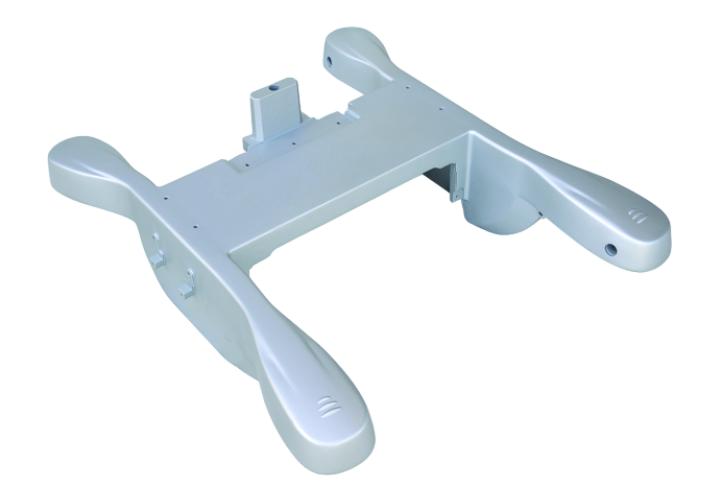
die casting machine
30
2026-09
The Art of Crafting Durable Aluminum Casts for Industrial Applications
27
2026-09
The Essential Guide to Die Casting: Techniques, Applications, and Benefits
24
2026-09
How to Stay Ahead in Mold Forging: Insights for Manufacturers
21
2026-09
The Essential Guide to Forging Molds: Understanding Their Importance in Manufacturing
18
2026-09
Zinc Die Casting Parts: A Premier Cost-Effective Solution for Customized Manufacturing
15
2026-09
The Intricacies of Zinc Alloy Die Casting: A Comprehensive Overview
12
2026-09
The Art of Creating Intricate Designs Through Aluminum Prototype Casting
GM Diecasting Technology Co.,Limited.
Add:Building 1-5, Chongke Road, Shipai Town, Dongguan City, Guangdong Province
Email:henry@gmdiecastingtech.com
Email:lily@gmdiecastingtech.com
Tel:+8613680864695