
17

2026

-

07

The Comprehensive Guide to Custom Aluminum Casting: Techniques, Benefits, and Applications

Author:


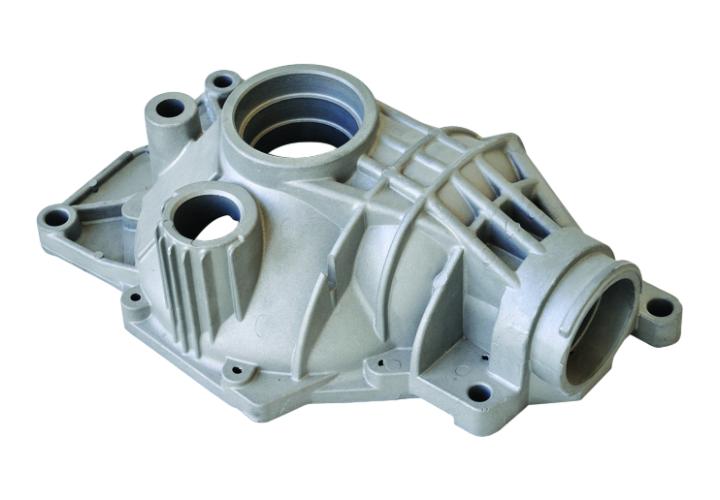
Custom aluminum casting is an essential technique in the manufacturing and machining sector, particularly within the realms of metal processing, alloy production, and engineering applications. This process involves pouring molten aluminum into a mold to create specific shapes and components that meet precise specifications. The beauty of custom aluminum casting lies in its adaptability, allowing for the production of intricate and complex designs that would be challenging or impossible to achieve through other methods.
One significant advantage of custom aluminum casting is its ability to produce lightweight yet strong components. Aluminum is inherently low in density, making it an ideal choice for applications where weight reduction is crucial, such as in the automotive and aerospace industries. The strength-to-weight ratio of aluminum allows for greater fuel efficiency and performance without compromising durability.
The process of custom aluminum casting begins with the design phase, where engineers create detailed specifications and models. These models can range from simple geometric shapes to complex components with intricate designs. Once the design is finalized, a mold is crafted to match the specifications. This can be done using various methods, including sand casting, die casting, and investment casting, each offering unique benefits depending on the intended application.
Sand casting, for example, is one of the oldest and most versatile methods. It involves creating a mold from sand and then pouring molten aluminum into it. This method is particularly useful for producing large parts and is cost-effective for low to medium production runs. On the other hand, die casting involves forcing molten aluminum into a metal mold under high pressure, resulting in high precision and smooth surface finishes, making it ideal for mass production of smaller components.
One important aspect of custom aluminum casting is the alloying process. Aluminum alloys can be tailored to enhance specific properties, such as corrosion resistance, strength, and machinability. This versatility allows manufacturers to select the appropriate alloy for their specific applications, further optimizing performance and longevity.
Post-casting processes, such as machining and finishing, are often necessary to achieve the desired tolerances and surface quality. Techniques like milling, grinding, and anodizing can enhance the final product’s functionality and appearance, making custom aluminum castings suitable for a wide range of applications, from industrial machinery to consumer goods.
In summary, custom aluminum casting presents a robust solution for manufacturers seeking high-quality, lightweight components tailored to their specific needs. By leveraging the flexibility of casting techniques and the adaptability of aluminum alloys, businesses can meet the demands of various industries while driving innovation. Whether in aerospace, automotive, or general manufacturing, custom aluminum casting remains a cornerstone of modern engineering practices.

custom aluminum casting
31

2026-08

Precision Engineering: The Transformative Role of Zinc Die Casting in Tool Development

Precision Engineering: The Transformative Role of Zinc Die Casting in Tool Development Table of Contents 1. Introduction to Zinc Die Casting in Precision Engineering 2. Understanding Zinc Die Casting: An Overview 3. The Benefits of Zinc Die Casting in Tool Development 4. Applications of Zinc Die Casting in Various Industries 5. Zinc Die Casting vs. Other Manufacturing Methods

28

2026-08

Unlocking the Potential of Die Casting Machines in Metalworking

Die casting machines are pivotal in the realm of metalworking, particularly in manufacturing components that require high precision and durable properties. This method involves forcing molten metal into a mold cavity under high pressure, resulting in complex shapes and fine details that are often difficult to achieve through traditional machining processes. The versatility and effectiveness of die

25

2026-08

Driving Innovation through Aluminum Die Casting: The Future of Manufacturing

Driving Innovation through Aluminum Die Casting: The Future of Manufacturing In recent years, the manufacturing industry has experienced significant advancements, particularly with the rise of aluminum die casting. This innovative process has not only improved production efficiency but has also introduced new opportunities for design flexibility and material performance. In this article, we will e

22

2026-08

The Essential Guide to Aluminum Alloy Molds: Enhancing Manufacturing Efficiency

Aluminum alloy molds have become a crucial component in the manufacturing and machining industries, particularly in mold processing. These molds are favored for their unique combination of lightweight properties, excellent thermal conductivity, and corrosion resistance, which collectively enhance the efficiency of production processes. One of the primary advantages of aluminum alloy molds is their

19

2026-08

Mastering Precision Production with Zinc Alloy Molding: Unleashing the Power of Advanced Manufacturing Techniques

Mastering Precision Production with Zinc Alloy Molding Table of Contents 1. Introduction to Zinc Alloy Molding 2. What is Zinc Alloy? 3. Benefits of Zinc Alloy Molding in Manufacturing 4. Applications of Zinc Alloy Molding 5. The Zinc Alloy Molding Process Explained 6. Best Practices for Successful Zinc Alloy Molding 7. Common Challenges in Zinc Alloy Molding 8. The Future of Zinc

16

2026-08

Understanding Zinc Alloys: Properties, Applications, and Benefits

Zinc alloys are a group of metallic compounds that primarily consist of zinc, often combined with other metals such as aluminum, copper, and magnesium. These alloys are known for their excellent corrosion resistance, high strength-to-weight ratio, and good casting properties, making them ideal for a wide array of industrial applications. One of the most significant advantages of zinc alloys is the

13

2026-08

Revolutionizing Manufacturing: The Role of Aluminum Alloy in Modern Industry

Revolutionizing Manufacturing: The Role of Aluminum Alloy in Modern Industry Table of Contents 1. Introduction to Aluminum Alloys 2. What are Aluminum Alloys? 3. Types of Aluminum Alloys 4. Benefits of Using Aluminum Alloys in Manufacturing 5. Key Applications of Aluminum Alloys in Various Industries 6. Innovations in Aluminum Alloy Manufacturing 7. Challenges in Alumi

10

2026-08

Exploring the Benefits and Techniques of Aluminum Casting in Manufacturing

Aluminum casting is a pivotal process in the manufacturing and machining industry, particularly in the realm of mold-making and die-casting. This technique involves pouring molten aluminum into a mold to create complex shapes and components. The lightweight, durable, and corrosion-resistant nature of aluminum makes it an ideal material for a wide range of applications, from automotive parts to con