
05

2025

-

08

Daily Maintenance and Care Tips for Aluminum Die Casting Molds

Author:


Aluminum die casting molds are key tools for achieving high-precision and high-efficiency production. Their lifespan and product quality are directly impacted by routine maintenance and care. Proper maintenance and management not only prolongs the mold's lifespan but also effectively prevents production stoppages and quality issues caused by mold damage. The following are some practical tips for daily maintenance and care for aluminum die casting molds.
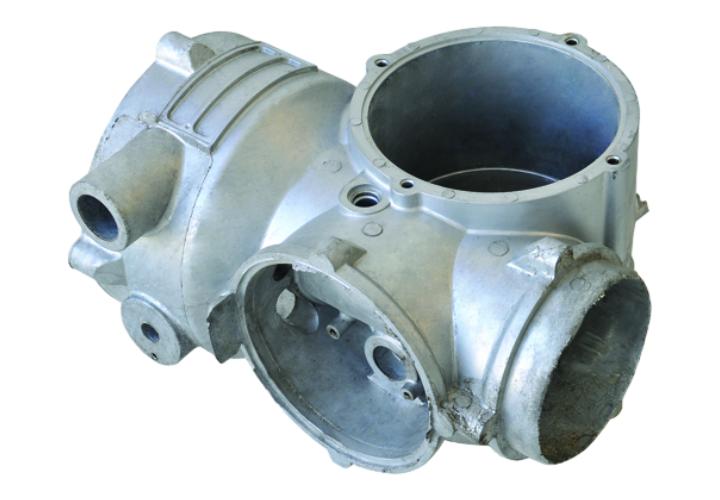
Aluminum die casting molds

First, regular mold cleaning is essential. After each die-casting run, remove any residual aluminum slag and oil from the mold cavity, parting surfaces, and venting grooves. This prevents impurity accumulation from causing mold sticking, loose mold closure, or defects in the finished product.

Second, inspecting the surface condition of the aluminum die casting mold is crucial. Pay particular attention to cracks, scratches, and burns. If any abnormalities are found, remove the mold from service immediately and repair them to prevent minor issues from developing into structural damage.

Third, ensure proper lubrication and maintenance. During the use of aluminum die casting molds, mold release agent should be sprayed regularly, and moving parts such as the sliders, guide pins, and guide bushings should be lubricated to reduce wear and seizure, ensuring smooth mold operation.

Controlling mold temperature is also crucial. During production, the mold must be heated evenly to avoid localized overheating that can lead to thermal fatigue cracking. A mold temperature control system is recommended to maintain the mold within the appropriate operating temperature range.

Finally, maintain maintenance records. Recording mold status, maintenance items, and replaced parts after each use will help track future issues and plan maintenance plans.

Although routine maintenance of aluminum die casting molds is tedious, it is fundamental to ensuring stable and efficient production. Companies should establish a comprehensive mold management system and enhance employee maintenance awareness to extend mold life and reduce production costs.

Aluminum die casting molds
19

2026-08

Mastering Precision Production with Zinc Alloy Molding: Unleashing the Power of Advanced Manufacturing Techniques

Mastering Precision Production with Zinc Alloy Molding Table of Contents 1. Introduction to Zinc Alloy Molding 2. What is Zinc Alloy? 3. Benefits of Zinc Alloy Molding in Manufacturing 4. Applications of Zinc Alloy Molding 5. The Zinc Alloy Molding Process Explained 6. Best Practices for Successful Zinc Alloy Molding 7. Common Challenges in Zinc Alloy Molding 8. The Future of Zinc

16

2026-08

Understanding Zinc Alloys: Properties, Applications, and Benefits

Zinc alloys are a group of metallic compounds that primarily consist of zinc, often combined with other metals such as aluminum, copper, and magnesium. These alloys are known for their excellent corrosion resistance, high strength-to-weight ratio, and good casting properties, making them ideal for a wide array of industrial applications. One of the most significant advantages of zinc alloys is the

13

2026-08

Revolutionizing Manufacturing: The Role of Aluminum Alloy in Modern Industry

Revolutionizing Manufacturing: The Role of Aluminum Alloy in Modern Industry Table of Contents 1. Introduction to Aluminum Alloys 2. What are Aluminum Alloys? 3. Types of Aluminum Alloys 4. Benefits of Using Aluminum Alloys in Manufacturing 5. Key Applications of Aluminum Alloys in Various Industries 6. Innovations in Aluminum Alloy Manufacturing 7. Challenges in Alumi

10

2026-08

Exploring the Benefits and Techniques of Aluminum Casting in Manufacturing

Aluminum casting is a pivotal process in the manufacturing and machining industry, particularly in the realm of mold-making and die-casting. This technique involves pouring molten aluminum into a mold to create complex shapes and components. The lightweight, durable, and corrosion-resistant nature of aluminum makes it an ideal material for a wide range of applications, from automotive parts to con

07

2026-08

The Future of Manufacturing: Advancements in Die Casting Technology

The Future of Manufacturing: Advancements in Die Casting Technology In the rapidly evolving landscape of manufacturing, advancements in die casting technology are setting the stage for a remarkable transformation. As industries strive for greater efficiency, reduced costs, and enhanced product quality, the die casting process offers a solution that meets these demands. This article delves into the

04

2026-08

Understanding Mold Forging: Key Insights for Manufacturing Professionals

Mold forging is a sophisticated manufacturing technique used primarily in the production of high-strength components. This process combines the benefits of forging and the versatility of molds, making it an invaluable method in industries such as automotive, aerospace, and machinery manufacturing. Understanding the intricacies of mold forging can significantly enhance your production capabilities

01

2026-08

Exploring Different Types of Forging Molds: A Comprehensive Guide

Exploring Different Types of Forging Molds: A Comprehensive Guide Table of Contents 1. Introduction to Forging Molds 2. What is Forging? 3. Types of Forging Molds 3.1 Open Die Forging Molds 3.2 Closed Die Forging Molds 3.3 Precision Forging Molds 3.4 Hammer Forging Molds 3.5 Roll Forging Molds 4. Applications of Forging Molds 5. Benefits of Using Forging Molds 6. Cho

29

2026-07

Understanding the Benefits of Zinc Die Casting Parts in Precision Manufacturing

Zinc die casting parts are increasingly popular in the manufacturing sector, particularly in the field of precision machining and metalworking. The die casting process involves forcing molten zinc into a mold cavity under high pressure, resulting in intricate components that exhibit excellent dimensional accuracy and surface finish. This method is particularly advantageous for industries that requ