
31

2024

-

05

Exploring the Basics of Die Casting Mold in Manufacturing Machinery

Author:


Die casting mold plays a pivotal role in the production of various components in the manufacturing industry. It is a specialized tool used to shape molten metal into a specific design. The die casting process involves injecting molten metal into the mold cavity at high pressure, which then solidifies to form the desired part.
One of the key advantages of die casting mold is its ability to produce complex shapes with high precision and consistency. This makes it ideal for mass production of components with tight tolerances. Additionally, die casting mold is known for its high efficiency and fast production cycles, making it a cost-effective solution for many manufacturers.
There are several types of die casting molds, including steel molds, aluminum molds, and magnesium molds. Each type of mold has its own unique characteristics and is chosen based on the specific requirements of the production process. It is essential to carefully select the right type of die casting mold to ensure the quality and performance of the final product.
Furthermore, maintaining and caring for die casting molds is critical to prolonging their lifespan and ensuring optimal performance. Regular maintenance, cleaning, and inspection of the mold can help prevent defects and prolong the tooling life. Proper storage and handling of the molds are also important to avoid damage and ensure consistent quality in production.
In conclusion, die casting mold is a vital component in the manufacturing machinery industry, especially in the realm of producing components through die casting and forging processes. Understanding the basics of die casting mold and its importance can help manufacturers improve their production processes and achieve superior product quality.

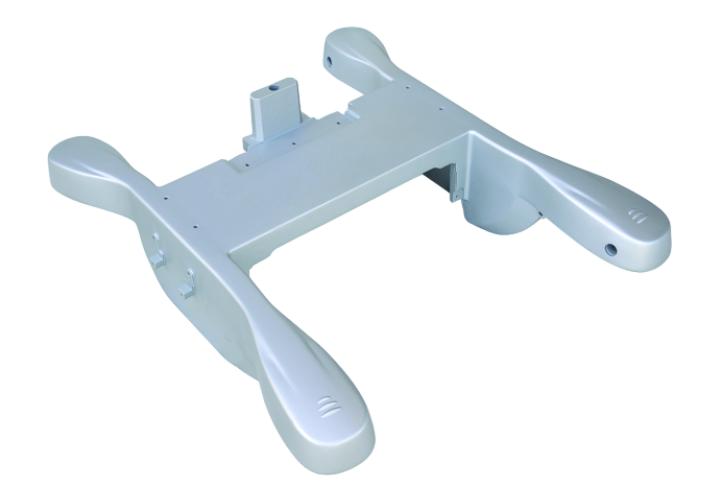
die casting mold
12

2025-12

The Essential Guide to Zinc Die Casting: Advantages and Applications

Zinc die casting is a highly efficient manufacturing process that utilizes molten zinc to create intricate and durable metal parts. This method is particularly favored in the manufacturing and processing machinery industry, especially in the realm of molds and die-casting. The process involves injecting molten zinc into a mold cavity under high pressure, which solidifies quickly to form precise co

09

2025-12

Innovative Designs Made Possible: The Influence of Die Casting Machines

Innovative Designs Made Possible: The Influence of Die Casting Machines Table of Contents 1. Introduction to Die Casting Machines 2. Understanding Die Casting: A Comprehensive Overview 3. Benefits of Using Die Casting Machines in Manufacturing 4. How Die Casting Machines Enable Innovative Designs 5. Applications of Die Casting Machines Across Various Industries 6. Future T

06

2025-12

Understanding Aluminum Die Casting: A Comprehensive Guide for Manufacturers

Aluminum die casting is a sophisticated manufacturing process widely used in the production of complex metal parts. This method utilizes molten aluminum, which is injected into a mold under high pressure. The result is a high-quality, precise, and lightweight product that is durable and corrosion-resistant. The importance of aluminum die casting in the manufacturing industry, especially in tooling

03

2025-12

The Future of Machining: Innovations in Aluminum Alloy Mold Advancements

The Future of Machining: Innovations in Aluminum Alloy Mold Advancements Table of Contents Introduction to Aluminum Alloy Molds Understanding Aluminum Alloys Benefits of Using Aluminum Alloy Molds Technological Advancements in Machining Processes Key Applications of Aluminum Alloy Molds Challenges in Aluminum Alloy Machining and Solutions Future Prospects of Aluminum A

30

2025-11

The Advantages and Applications of Zinc Alloy Molds in Manufacturing

Zinc alloy molds are an integral component in the realm of manufacturing, particularly in the production of mechanical hardware and tooling. These molds are crafted from zinc alloys, which are metal mixtures that typically include copper, aluminum, and magnesium, offering a unique combination of benefits that make them a popular choice in various applications. One of the primary advantages of zinc

27

2025-11

Exploring the Versatility of Zinc Alloy in Modern Applications

Exploring the Versatility of Zinc Alloy in Modern Applications Table of Contents 1. Introduction to Zinc Alloys 2. Key Properties of Zinc Alloys 3. Applications of Zinc Alloys in Various Industries 3.1 Automotive Industry 3.2 Electronics Sector 3.3 Construction and Architecture 3.4 Aerospace Engineering 4. Manufactu

24

2025-11

Exploring the Versatility and Applications of Aluminum Alloys

Aluminum alloys are engineered materials that combine aluminum with other elements, such as copper, magnesium, manganese, silicon, and zinc, to enhance their physical properties. This combination results in a wide range of aluminum alloys that exhibit improved strength, durability, corrosion resistance, and lightweight characteristics. As a result, they play a crucial role in numerous industries,

21

2025-11

Revolutionizing the World of Molding: The Advantages of Aluminum Casting

Revolutionizing the World of Molding: The Advantages of Aluminum Casting Table of Contents Introduction to Aluminum Casting What is Aluminum Casting? The Benefits of Aluminum Casting Cost-Effectiveness Lightweight and Durable Versatility in Application Sustainability The Manufacturing Process of Aluminum Castin