



28
2024
-
09
Exploring the Best Mold Forging Techniques for Optimal Manufacturing Efficiency
Author:
Mold forging, a critical aspect of the manufacturing process, involves shaping metal objects through the application of compressive forces. This technique is widely adopted in various industries, particularly in the production of complex shapes and components that require high strength and durability. As industries evolve, the best mold forging practices have emerged, improving not only the quality of the final product but also the efficiency of production processes.
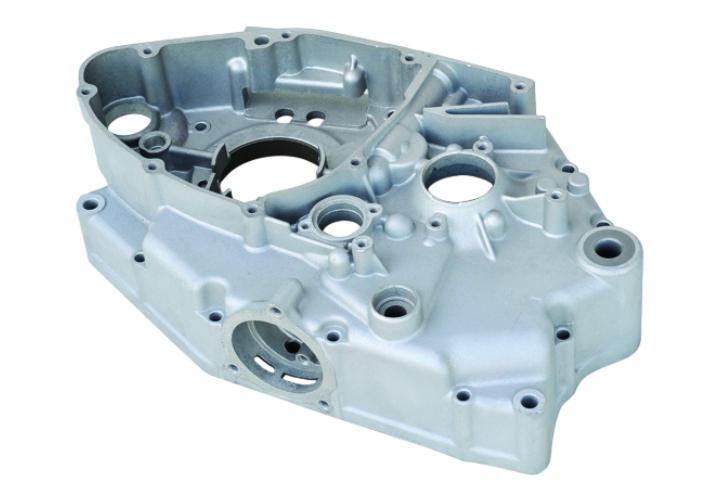
One key aspect of successful mold forging is the selection of the right materials. The choice of metal significantly impacts the properties of the forged product. Commonly used materials include steel, aluminum, and titanium, each offering distinct characteristics. Steel, for instance, is renowned for its strength and versatility, while aluminum is favored for its lightweight and corrosion resistance. Titanium, albeit more expensive, is prized for its high strength-to-weight ratio and ability to withstand extreme conditions. Understanding these materials and their properties is essential for achieving the best mold forging outcomes.
Another critical factor is the design of the mold itself. A well-designed mold can reduce the amount of waste produced, minimize the need for secondary machining, and enhance the uniformity of the final product. Incorporating features such as proper draft angles, consistent wall thickness, and sufficient radii can facilitate easier material flow and reduce stress concentrations. Engineers and designers must collaborate closely in this phase to ensure that the mold design aligns with production capabilities and product requirements.
Temperature control during the forging process also plays a pivotal role in achieving the best mold forging results. The temperature at which the metal is forged can influence its mechanical properties, including hardness and ductility. Maintaining an optimal temperature range facilitates better material flow and reduces the risk of defects such as cracks or inclusions. Implementing effective heating methods and monitoring systems can lead to improved consistency and performance of forged parts.
Moreover, investing in advanced forging technologies can elevate the quality and efficiency of mold forging operations. Using computer numerical control (CNC) systems, for instance, allows for precise control over the forging process, resulting in enhanced accuracy and repeatability. Techniques like hot and cold forging should also be evaluated based on the specific requirements of the project, as each method presents unique advantages.
Finally, continuous training and development in the latest mold forging techniques are essential for professionals in the manufacturing sector. Keeping abreast of industry advancements, best practices, and emerging technologies allows manufacturers to remain competitive and produce top-quality products consistently.
In summary, the best mold forging practices encompass material selection, mold design, temperature control, and advanced technologies. By focusing on these areas, professionals can enhance their manufacturing processes, yielding superior products that meet the demands of today's market.
best mold forging
30
2026-09
The Art of Crafting Durable Aluminum Casts for Industrial Applications
27
2026-09
The Essential Guide to Die Casting: Techniques, Applications, and Benefits
24
2026-09
How to Stay Ahead in Mold Forging: Insights for Manufacturers
21
2026-09
The Essential Guide to Forging Molds: Understanding Their Importance in Manufacturing
18
2026-09
Zinc Die Casting Parts: A Premier Cost-Effective Solution for Customized Manufacturing
15
2026-09
The Intricacies of Zinc Alloy Die Casting: A Comprehensive Overview
12
2026-09
The Art of Creating Intricate Designs Through Aluminum Prototype Casting
GM Diecasting Technology Co.,Limited.
Add:Building 1-5, Chongke Road, Shipai Town, Dongguan City, Guangdong Province
Email:henry@gmdiecastingtech.com
Email:lily@gmdiecastingtech.com
Tel:+8613680864695