
26

2026

-

04

The Comprehensive Guide to Aluminum Casting in Manufacturing and Machining

Author:


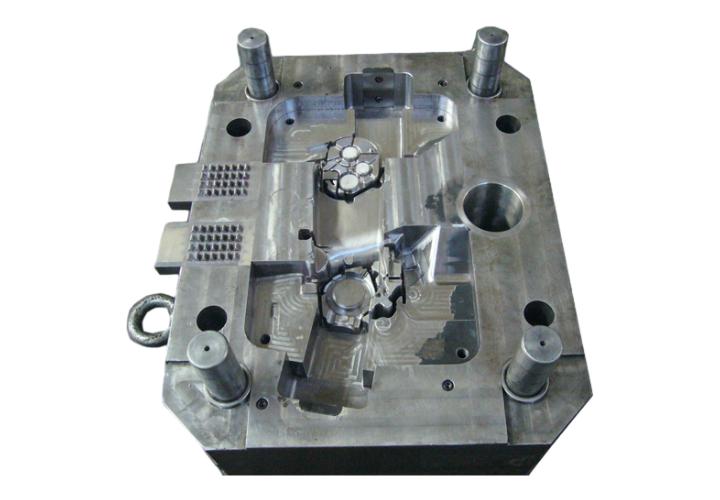
Aluminum casting is a crucial technique widely employed in the manufacturing and machining industries, particularly in the fields of die casting and forging molds. This process involves pouring molten aluminum into a mold to create various components with intricate shapes and designs. The versatility and lightweight nature of aluminum make it an ideal material for numerous applications across different sectors, including automotive, aerospace, and consumer goods.
One of the primary advantages of aluminum casting is its ability to produce parts with high dimensional accuracy and surface finish. By utilizing advanced casting techniques such as gravity, pressure, or investment casting, manufacturers can achieve complex geometries that might be difficult or impossible to create using traditional machining methods. This capability allows for the efficient production of components that require minimal post-processing, ultimately reducing lead times and labor costs.
Moreover, aluminum casting offers excellent mechanical properties. The alloying elements in aluminum can be tailored to enhance specific characteristics, such as strength, ductility, and corrosion resistance. This adaptability ensures that the final products meet the stringent performance requirements of various applications, making aluminum a preferred choice for engineers and designers.
In addition to its performance benefits, aluminum casting is also a sustainable option. Aluminum is 100% recyclable without loss of its properties, which aligns with the growing emphasis on sustainability in manufacturing. By incorporating recycled aluminum into the casting process, manufacturers can significantly reduce their environmental footprint, conserve natural resources, and lower energy consumption.
However, it is essential to consider several factors when engaging in aluminum casting. The selection of the appropriate casting method is vital, as each technique has its advantages and limitations. Factors such as production volume, part complexity, and material specifications should guide this decision. Additionally, ensuring proper mold design and maintenance is crucial for achieving optimal results in aluminum casting. Poor mold design can lead to defects, which may compromise the structural integrity and aesthetic quality of the final product.
In conclusion, aluminum casting stands as a robust and innovative method in manufacturing and machining that offers numerous advantages, including precision, versatility, and sustainability. Understanding the intricacies of this process enables professionals to leverage its benefits effectively, ensuring the production of high-quality components that meet the demands of their respective industries. As the industry continues to evolve, advancements in aluminum casting technologies will further enhance its role in modern manufacturing.

aluminum casting
09

2026-09

Understanding Die Casting Molds: The Backbone of Precision Manufacturing

Die casting molds are essential components in the manufacturing process, particularly in the production of complex metal parts. This technique involves forcing molten metal into a mold cavity under high pressure, resulting in finely detailed and dimensionally accurate components. Understanding the intricacies of die casting molds can significantly enhance the efficiency and quality of your manufac

06

2026-09

Unlocking Potential: The Advantages of Custom Aluminum Casting in Machinery Manufacturing

Unlocking Potential: The Advantages of Custom Aluminum Casting in Machinery Manufacturing Table of Contents Introduction to Custom Aluminum Casting What is Aluminum Casting? Benefits of Custom Aluminum Casting 1. Lightweight and Strength 2. Corrosion Resistance 3. Design Flexibility 4. Cost-Effectiveness 5. Recyclabi

03

2026-09

The Essential Guide to Zinc Casting in Die-Casting and Forging Molds

Zinc casting is a pivotal process in the manufacturing sector, particularly in the production of intricate parts through die-casting techniques. This method involves pouring molten zinc into a mold to create parts with high precision and excellent surface finish. The versatility of zinc casting makes it a popular choice for a wide array of applications, ranging from automotive components to consum

31

2026-08

Precision Engineering: The Transformative Role of Zinc Die Casting in Tool Development

Precision Engineering: The Transformative Role of Zinc Die Casting in Tool Development Table of Contents 1. Introduction to Zinc Die Casting in Precision Engineering 2. Understanding Zinc Die Casting: An Overview 3. The Benefits of Zinc Die Casting in Tool Development 4. Applications of Zinc Die Casting in Various Industries 5. Zinc Die Casting vs. Other Manufacturing Methods

28

2026-08

Unlocking the Potential of Die Casting Machines in Metalworking

Die casting machines are pivotal in the realm of metalworking, particularly in manufacturing components that require high precision and durable properties. This method involves forcing molten metal into a mold cavity under high pressure, resulting in complex shapes and fine details that are often difficult to achieve through traditional machining processes. The versatility and effectiveness of die

25

2026-08

Driving Innovation through Aluminum Die Casting: The Future of Manufacturing

Driving Innovation through Aluminum Die Casting: The Future of Manufacturing In recent years, the manufacturing industry has experienced significant advancements, particularly with the rise of aluminum die casting. This innovative process has not only improved production efficiency but has also introduced new opportunities for design flexibility and material performance. In this article, we will e

22

2026-08

The Essential Guide to Aluminum Alloy Molds: Enhancing Manufacturing Efficiency

Aluminum alloy molds have become a crucial component in the manufacturing and machining industries, particularly in mold processing. These molds are favored for their unique combination of lightweight properties, excellent thermal conductivity, and corrosion resistance, which collectively enhance the efficiency of production processes. One of the primary advantages of aluminum alloy molds is their

19

2026-08

Mastering Precision Production with Zinc Alloy Molding: Unleashing the Power of Advanced Manufacturing Techniques

Mastering Precision Production with Zinc Alloy Molding Table of Contents 1. Introduction to Zinc Alloy Molding 2. What is Zinc Alloy? 3. Benefits of Zinc Alloy Molding in Manufacturing 4. Applications of Zinc Alloy Molding 5. The Zinc Alloy Molding Process Explained 6. Best Practices for Successful Zinc Alloy Molding 7. Common Challenges in Zinc Alloy Molding 8. The Future of Zinc