



26
2025
-
06
Key factors affecting zinc die casting costs
Author:
Zinc die casting is an important manufacturing process that is widely used in many industries, and its cost is affected by a variety of key factors.
Zinc price fluctuations are directly related to zinc die casting costs. Zinc purity, market supply and demand, and global economic conditions can cause zinc prices to change. If zinc prices rise, it will undoubtedly significantly increase the cost of raw materials for die casting. In addition, the cost of other added elements in zinc alloys cannot be ignored. Different element ratios will affect the alloy properties and also affect the cost.
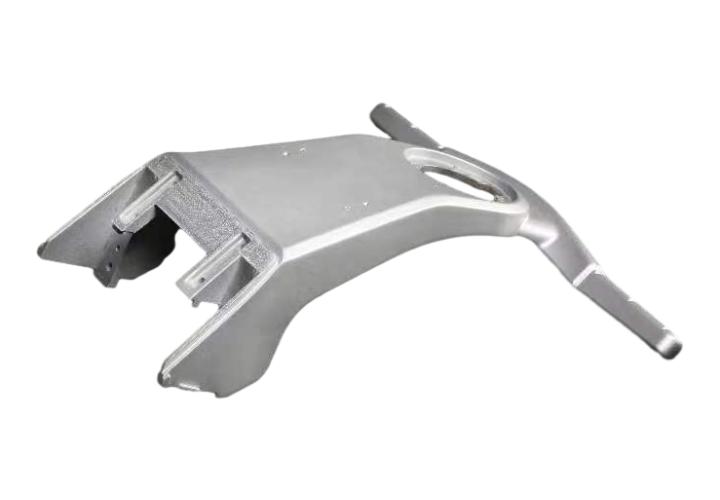
Mold costs account for a considerable proportion of zinc die casting costs. The complexity, precision requirements, and service life of the mold determine its manufacturing cost. Complex mold structures require more design and processing steps, and high-precision molds require advanced manufacturing equipment and exquisite process technology, which will increase the initial cost of the mold. In addition, the mold has a limited service life, and frequent mold changes will increase the mold cost allocated to each product.
Energy consumption of equipment, such as electricity, is a continuous cost expenditure. The purchase price of the equipment, maintenance costs, and depreciation rate of the equipment will affect the overall cost of zinc die casting. Advanced, highly automated equipment, although with a large initial investment, may improve production efficiency, reduce scrap rates, and may reduce unit product costs in the long run.
Production efficiency is also a key factor affecting costs. Low production efficiency means a small number of qualified products produced per unit time. Factors affecting production efficiency include the setting of die-casting process parameters and the proficiency of operators. Longer production cycles will lead to increased labor costs, equipment occupancy costs, etc., which will push up the cost of zinc die casting.
High scrap rates mean more waste of raw materials, more waste of production time, and possible damage to the mold, all of which will increase additional costs. Controlling each link in the production process and reducing the scrap rate is an effective way to reduce the cost of zinc die casting.
Zinc die casting
Previous Page
30
2026-09
The Art of Crafting Durable Aluminum Casts for Industrial Applications
27
2026-09
The Essential Guide to Die Casting: Techniques, Applications, and Benefits
24
2026-09
How to Stay Ahead in Mold Forging: Insights for Manufacturers
21
2026-09
The Essential Guide to Forging Molds: Understanding Their Importance in Manufacturing
18
2026-09
Zinc Die Casting Parts: A Premier Cost-Effective Solution for Customized Manufacturing
15
2026-09
The Intricacies of Zinc Alloy Die Casting: A Comprehensive Overview
12
2026-09
The Art of Creating Intricate Designs Through Aluminum Prototype Casting
GM Diecasting Technology Co.,Limited.
Add:Building 1-5, Chongke Road, Shipai Town, Dongguan City, Guangdong Province
Email:henry@gmdiecastingtech.com
Email:lily@gmdiecastingtech.com
Tel:+8613680864695