



01
2025
-
07
Quality control in aluminum die casting mold production
Author:
Quality control is crucial in the production process of aluminum die casting mold.
First of all, the selection of raw materials is the basis of quality control. High-quality mold steel materials should have good strength, toughness and thermal fatigue performance. The purchased steel must be strictly inspected to ensure that its composition meets the standards and has no internal defects such as inclusions, looseness, etc.
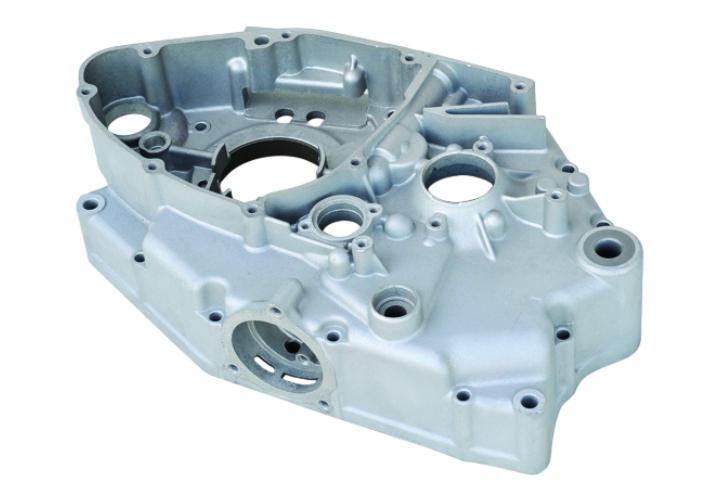
The design link directly affects the quality of the mold. Reasonable structural design can ensure the smooth flow of molten metal during die casting and avoid defects such as pores and shrinkage. When designing, the wall thickness, demolding slope, cooling channel layout and other parameters of the mold should be accurately calculated. At the same time, advanced design software should be used for simulation analysis to predict possible problems in advance and optimize them.
The manufacturing process is the core of quality control. During the processing, the accuracy of CNC processing must be strictly controlled to ensure that the dimensional tolerance of the mold is within a very small range. In EDM, attention should be paid to the accuracy of the electrode and the adjustment of the discharge parameters to ensure the surface quality of the cavity. The heat treatment process should not be ignored. It can improve the hardness and wear resistance of the mold, but deformation and cracks must be prevented during the heat treatment process.
Inspection is also a key step in quality control. Use precision equipment such as a three-coordinate measuring instrument to perform full-size inspection of the mold size and inspect the surface roughness of the cavity. It is also possible to check whether there are defects inside by means such as flaw detection.
In the assembly stage, it is necessary to ensure the assembly accuracy of each part, ensure smooth opening and closing of the mold, and ensure that the parts fit tightly. Only by strictly controlling quality in every link of aluminum die casting mold production can high-quality molds be produced, thereby ensuring the quality and production efficiency of aluminum alloy die-casting products.

03
2026-10
The Versatility and Advantages of Aluminum Alloys in Modern Applications
30
2026-09
The Art of Crafting Durable Aluminum Casts for Industrial Applications
27
2026-09
The Essential Guide to Die Casting: Techniques, Applications, and Benefits
24
2026-09
How to Stay Ahead in Mold Forging: Insights for Manufacturers
21
2026-09
The Essential Guide to Forging Molds: Understanding Their Importance in Manufacturing
18
2026-09
Zinc Die Casting Parts: A Premier Cost-Effective Solution for Customized Manufacturing
15
2026-09
The Intricacies of Zinc Alloy Die Casting: A Comprehensive Overview
GM Diecasting Technology Co.,Limited.
Add:Building 1-5, Chongke Road, Shipai Town, Dongguan City, Guangdong Province
Email:henry@gmdiecastingtech.com
Email:lily@gmdiecastingtech.com
Tel:+8613680864695