



20
2024
-
10
Why Choose Zinc Die Casting for Your Precision Parts Needs
Author:
Why Choose Zinc Die Casting for Your Precision Parts Needs?
Table of Contents
- Introduction to Zinc Die Casting
- What is Zinc Die Casting?
- Advantages of Zinc Die Casting
- Applications of Zinc Die Casting
- The Process of Zinc Die Casting
- Considerations When Choosing Zinc Die Casting
- Common Misconceptions About Zinc Die Casting
- Conclusion
- FAQs about Zinc Die Casting
Introduction to Zinc Die Casting
Zinc die casting has emerged as a premier choice for manufacturers seeking precision parts with superior performance characteristics. As industries evolve, the demand for **high-quality components** that offer both efficiency and effectiveness continues to rise. Zinc die casting stands out because of its ability to produce **intricate designs** and **tight tolerances**, making it a favored process in various sectors such as automotive, electronics, and healthcare.
What is Zinc Die Casting?
Zinc die casting is a manufacturing process that involves forcing molten zinc alloy under high pressure into a mold cavity. This technique is characterized by its ability to produce **complex shapes** with high precision. Typically, the molds are created from steel or iron, ensuring longevity and reusability for mass production runs. This process provides excellent surface finishes and reduces the need for extensive post-processing.
Advantages of Zinc Die Casting
Choosing zinc die casting offers a multitude of benefits for manufacturers and designers alike. Below are key advantages that underscore why zinc die casting is an ideal choice for precision parts manufacturing.
Durability and Strength
Zinc die cast components are known for their **remarkable strength-to-weight ratio**. Zinc alloys exhibit excellent mechanical properties, making them resistant to wear, corrosion, and impact. This durability extends the lifespan of the components, reducing the need for frequent replacements.
Precision and Accuracy
One of the defining characteristics of zinc die casting is its ability to produce parts with **high dimensional accuracy**. The process allows for tight tolerances, often within ±0.005 inches. This means that parts can fit perfectly into assemblies without the need for additional machining, saving both time and costs.
Cost-Effectiveness
When it comes to volume production, zinc die casting is incredibly cost-effective. The initial setup costs for creating the molds can be high, but the ability to produce thousands of identical parts with minimal waste offsets this investment. Additionally, the speed of production contributes to lower labor costs.
Applications of Zinc Die Casting
Zinc die casting finds utility across various industries due to its versatility and efficiency. Here are some key applications:
Automotive Industry
In the automotive sector, zinc die casting is utilized for components like brackets, housings, and connectors. These parts must withstand rigorous performance standards, making zinc an ideal choice due to its strength and durability.
Electronics
The electronics industry benefits from zinc die casting for creating casings, heat sinks, and other components requiring precise specifications. The excellent thermal properties of zinc also help in dissipating heat efficiently.
Healthcare
In healthcare applications, zinc die casting is employed to manufacture medical devices and equipment. The process ensures that the parts are not only strong but also compliant with stringent industry standards.
The Process of Zinc Die Casting
Understanding the zinc die casting process is essential for appreciating its benefits. Here is a detailed breakdown of the steps involved:
1. Mold Design
The first step involves designing the mold, which is crucial for the final product’s quality. Engineers consider factors like part geometry, ejection methods, and cooling systems.
2. Melting the Zinc Alloy
Zinc alloys are melted in a furnace, reaching temperatures around 400°C. The molten metal is then ready to be injected into the mold.
3. Injection of Molten Metal
Using a die casting machine, the molten zinc is injected into the mold under high pressure. This ensures that every cavity is filled completely, forming the desired shape.
4. Cooling and Ejection
Once the molten metal is injected, it cools and solidifies rapidly. After adequate cooling time, the die opens, and the finished part is ejected.
5. Finishing Processes
Although die casting provides an excellent surface finish, additional processes like machining, coating, and polishing may be applied to meet specific requirements.
Considerations When Choosing Zinc Die Casting
While zinc die casting offers numerous advantages, there are considerations to keep in mind when selecting this method for your precision parts:
1. Design Complexity
Zinc die casting is highly effective for complex shapes, but designs that are overly intricate may require additional adjustments.
2. Volume Requirements
The process is most efficient for high-volume production runs. If you only need a small quantity of parts, other manufacturing methods may be more economical.
3. Alloy Selection
Different zinc alloys have varying properties. Understanding which alloy best suits your application is crucial for achieving optimal performance.
Common Misconceptions About Zinc Die Casting
Despite its advantages, there are misconceptions surrounding zinc die casting that could deter potential users:
1. Limited to Simple Shapes
A common misconception is that zinc die casting only accommodates simple shapes. In reality, the process can produce highly intricate designs with excellent detail.
2. Heavy Weight
Some may assume zinc die cast components are heavy. However, zinc's strength-to-weight ratio allows for lightweight yet robust designs.
3. Not Suitable for High-Temperature Applications
While zinc does have temperature limits, it is suitable for many applications that require moderate thermal performance.
Conclusion
Zinc die casting stands as an exceptional choice for precision parts manufacturing, offering a unique combination of durability, precision, and cost-effectiveness. Its applications span various industries, and the process itself is engineered for efficiency and quality. By understanding the advantages, applications, and considerations involved in zinc die casting, manufacturers can make informed decisions that enhance their production capabilities.
FAQs about Zinc Die Casting
1. What types of alloys are used in zinc die casting?
Zinc die casting primarily uses zinc alloys such as Zamak, which is known for its excellent casting properties and mechanical strength.
2. How does zinc die casting compare to aluminum die casting?
Zinc die casting offers superior dimensional accuracy and a higher strength-to-weight ratio, while aluminum die casting is better for high-temperature applications.
3. Can zinc die cast parts be recycled?
Yes, zinc die cast parts can be recycled, making them an environmentally friendly choice for manufacturers.
4. What industries benefit most from zinc die casting?
Industries such as automotive, electronics, healthcare, and consumer goods benefit significantly from zinc die casting technology.
5. How long does it take to produce zinc die cast parts?
The production time varies based on complexity and volume, but zinc die casting is known for its fast production rates, often producing parts in a matter of minutes.
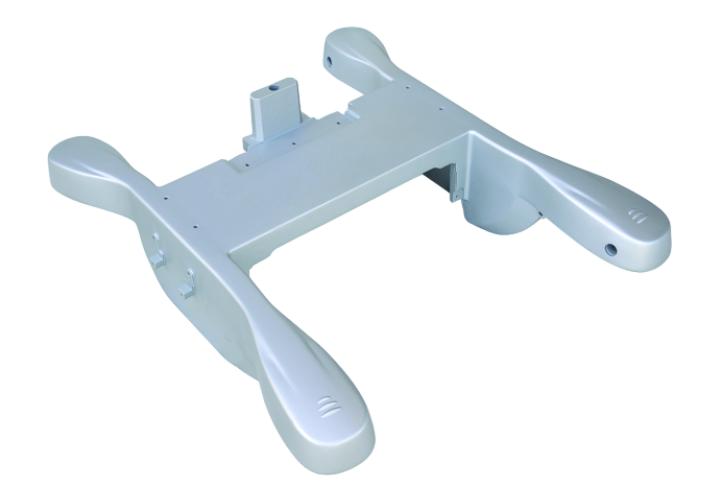
zinc die casting parts
30
2026-09
The Art of Crafting Durable Aluminum Casts for Industrial Applications
27
2026-09
The Essential Guide to Die Casting: Techniques, Applications, and Benefits
24
2026-09
How to Stay Ahead in Mold Forging: Insights for Manufacturers
21
2026-09
The Essential Guide to Forging Molds: Understanding Their Importance in Manufacturing
18
2026-09
Zinc Die Casting Parts: A Premier Cost-Effective Solution for Customized Manufacturing
15
2026-09
The Intricacies of Zinc Alloy Die Casting: A Comprehensive Overview
12
2026-09
The Art of Creating Intricate Designs Through Aluminum Prototype Casting
GM Diecasting Technology Co.,Limited.
Add:Building 1-5, Chongke Road, Shipai Town, Dongguan City, Guangdong Province
Email:henry@gmdiecastingtech.com
Email:lily@gmdiecastingtech.com
Tel:+8613680864695