
NEWS

Company News


07-08

Advancing Industry Standards with Cutting-Edge Die Casting Solutions

Advancing Industry Standards with Cutting-Edge Die Casting Solutions Table of Contents 1. Introduction to Die Casting 2. What is Die Casting? 3. Advantages of Die Casting Solutions 4. Applications of Die Casting in Various Industries 5. Innovations in Die Casting Technology 6. Sustainability in Die Casting Practices 7. Challenges and Solutions in Die Casting 8. The Future of Die C
07-05

The Essential Guide to Aluminum Die Casting: Techniques and Benefits
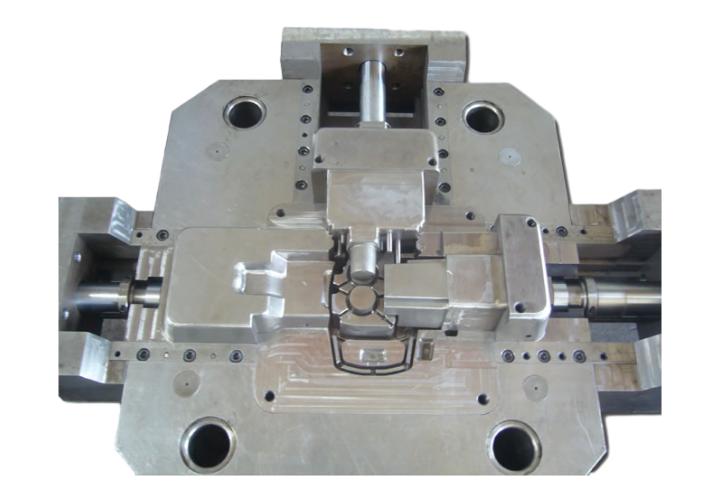
Aluminum die casting is a versatile and efficient manufacturing process that involves injecting molten aluminum into steel molds to create precise parts and components. This technique is widely utilized in the manufacturing and machining industry due to its ability to produce complex shapes with high dimensional accuracy and excellent surface finish. Here, we will explore the fundamental aspects o
07-02

Optimizing Production Processes with Aluminum Alloy Molds: A Comprehensive Guide
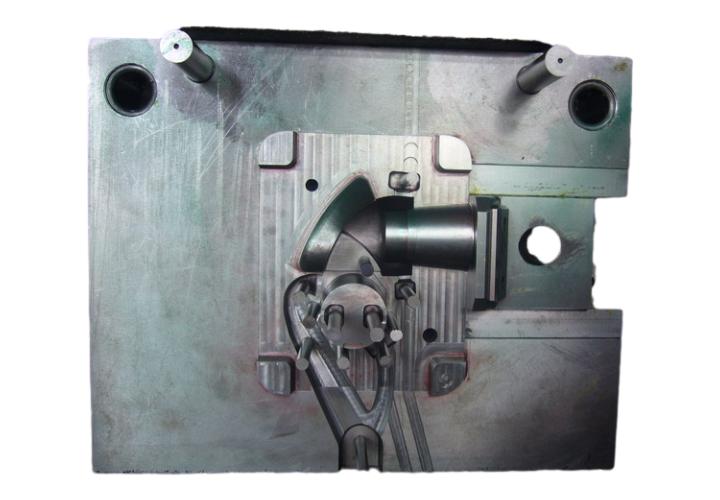
Optimizing Production Processes with Aluminum Alloy Molds Table of Contents 1. Introduction to Aluminum Alloy Molds 2. Benefits of Using Aluminum Alloy Molds in Manufacturing 3. Applications of Aluminum Alloy Molds in Different Industries 4. Key Production Processes for Aluminum Alloy Molds 5. Design Considerations for Aluminum Molds 6. Techniques for Enhancing Efficiency
06-29

Understanding Zinc Alloy Molds: A Key Component in Precision Manufacturing
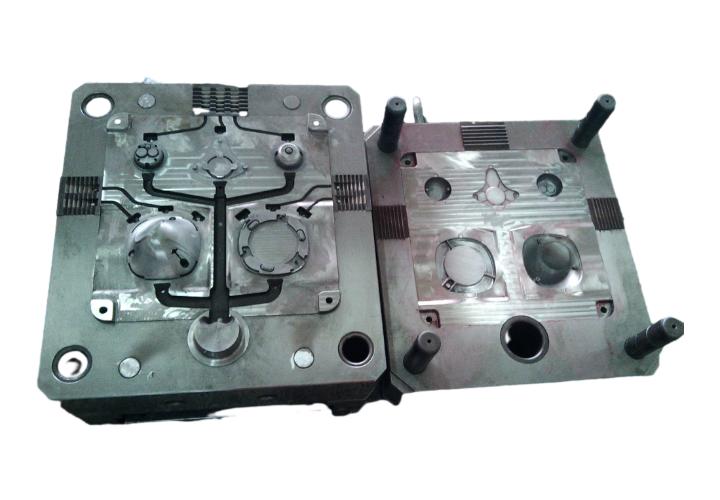
Zinc alloy molds are integral to the manufacturing and machining sectors, particularly in mold processing. These molds are crafted from zinc alloys, which are known for their excellent mechanical properties and versatility. One of the primary advantages of using zinc alloy molds is their ability to produce high-quality, precise components with intricate designs. The unique combination of strength
06-26

Enhancing Durability with Zinc Alloy in Industrial Settings: A Comprehensive Guide
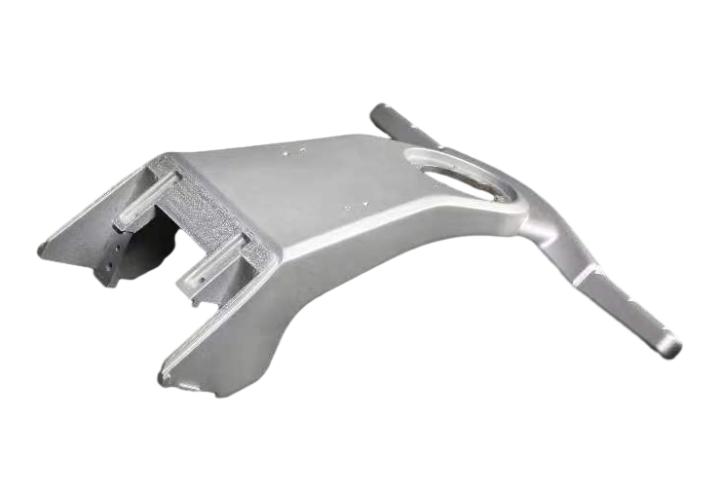
Enhancing Durability with Zinc Alloy in Industrial Settings Table of Contents 1. Understanding Zinc Alloys and Their Composition 2. The Importance of Durability in Industrial Applications 3. Properties of Zinc Alloys That Enhance Durability 3.1 Corrosion Resistance 3.2 Mechanical Strength 3.3 Lightweight Nature 4. Applications of Zinc Alloys in Various Industries 4.1 Automotive Industry 4.2 Constr
06-23

Understanding Aluminum Alloys: Their Properties and Applications in Modern Industry
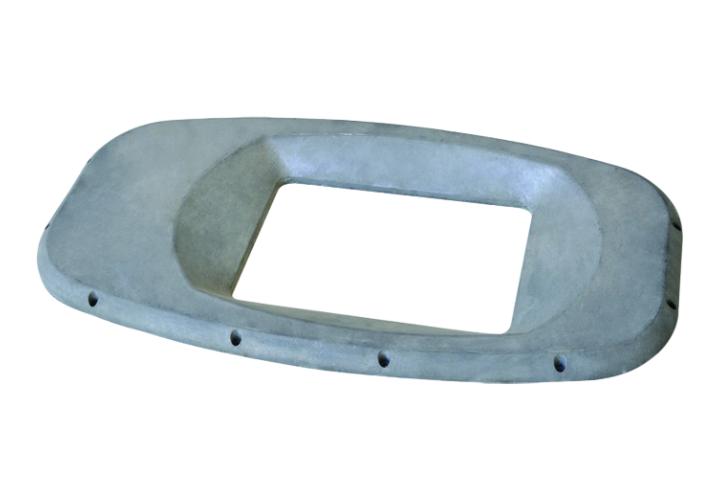
Aluminum alloys have become a cornerstone in the fields of metallurgy, mining, and energy due to their versatile properties and applications. These alloys are formed by combining aluminum with other elements, such as copper, magnesium, manganese, silicon, or zinc. The resultant materials exhibit characteristics that make them suitable for various industrial applications. One of the primary advanta
06-20

Innovative Techniques in Aluminum Casting for Mold Manufacturing: Enhancing Efficiency and Precision
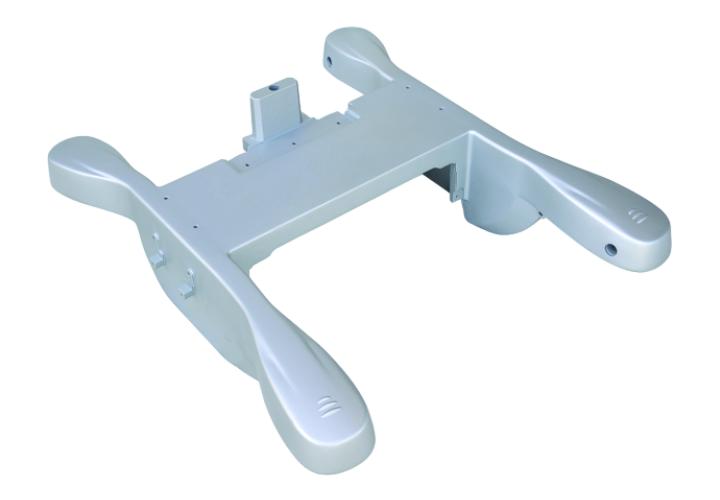
Innovative Techniques in Aluminum Casting for Mold Manufacturing Table of Contents Introduction to Aluminum Casting in Mold Manufacturing Historical Background of Aluminum Casting Techniques Modern Techniques in Aluminum Casting Die Casting Sand Casting Investment Casting Sustainability in Aluminum Casting Processes Technol
06-17

Understanding Die Casting: A Comprehensive Guide for the Manufacturing Industry
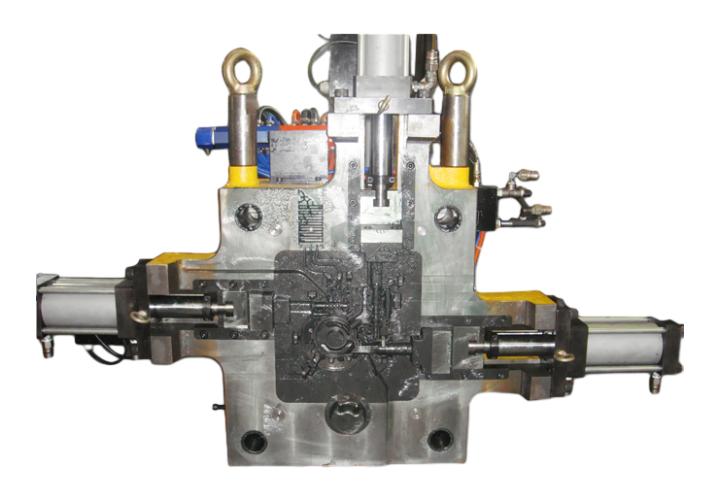
Die casting is a highly efficient manufacturing process that involves forcing molten metal into a mold cavity under high pressure. This method is widely used in the production of intricate parts and components, making it a cornerstone of modern manufacturing, especially in the fields of mold design and forging. One of the primary benefits of die casting is its ability to produce highly detailed a
< 1...567...55 >