



17
2026
-
06
Understanding Die Casting: A Comprehensive Guide for the Manufacturing Industry
Author:
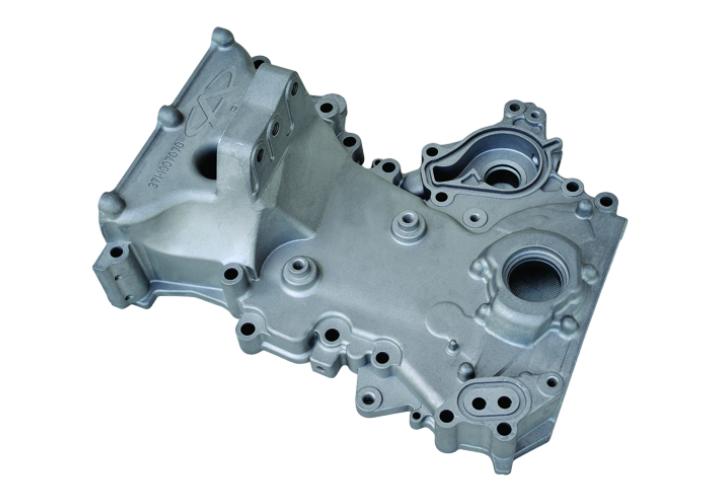
One of the primary benefits of die casting is its ability to produce highly detailed and dimensionally accurate parts. The precision offered by this technique minimizes the need for extensive machining or post-processing, saving both time and resources. Additionally, die casting allows for the manufacturing of complex shapes that would be difficult or impossible to achieve through other methods.
The die casting process begins with creating a mold, which is typically made from high-strength alloys to withstand the immense pressure and temperature involved in the process. The mold is designed to allow for efficient heat transfer, which is crucial for maintaining the integrity of the cast part and enhancing production speed. Various metals such as aluminum, zinc, and magnesium are commonly used in die casting, each offering unique properties for different applications.
Another significant advantage of die casting is its ability to produce large quantities of parts with consistent quality. Once the initial mold is created, a manufacturer can replicate the same part repeatedly, ensuring uniformity across production runs. This reliability is particularly beneficial for industries that require high-volume production, such as automotive, aerospace, and electronics.
Furthermore, die casting supports sustainability efforts within the manufacturing sector. The process generates less waste compared to traditional machining methods, and scrap metal can often be recycled back into the production cycle. This not only reduces material costs but also lessens the environmental impact associated with metal production.
It is essential to consider the design and engineering aspects when opting for die casting. Factors such as draft angles, wall thickness, and the location of gates and vents can significantly affect the final product's quality and manufacturability. Collaborating with experienced engineers and designers can help optimize the die casting process, ensuring that the final parts meet all necessary specifications and performance requirements.
In conclusion, die casting is a crucial technique in the manufacturing and machining industries, offering numerous advantages in terms of efficiency, quality, and sustainability. By understanding the die casting process and its applications, businesses can leverage this technology to enhance their production capabilities and meet the demands of the market effectively.
die casting
12
2026-09
The Art of Creating Intricate Designs Through Aluminum Prototype Casting
09
2026-09
Understanding Die Casting Molds: The Backbone of Precision Manufacturing
06
2026-09
Unlocking Potential: The Advantages of Custom Aluminum Casting in Machinery Manufacturing
03
2026-09
The Essential Guide to Zinc Casting in Die-Casting and Forging Molds
31
2026-08
Precision Engineering: The Transformative Role of Zinc Die Casting in Tool Development
28
2026-08
Unlocking the Potential of Die Casting Machines in Metalworking
25
2026-08
Driving Innovation through Aluminum Die Casting: The Future of Manufacturing
GM Diecasting Technology Co.,Limited.
Add:Building 1-5, Chongke Road, Shipai Town, Dongguan City, Guangdong Province
Email:henry@gmdiecastingtech.com
Email:lily@gmdiecastingtech.com
Tel:+8613680864695