



31
2025
-
03
Mold forging from china
Author:
Mold forging is a metalworking process widely used in modern manufacturing that combines the precision of molds with the powerful shaping ability of forging.
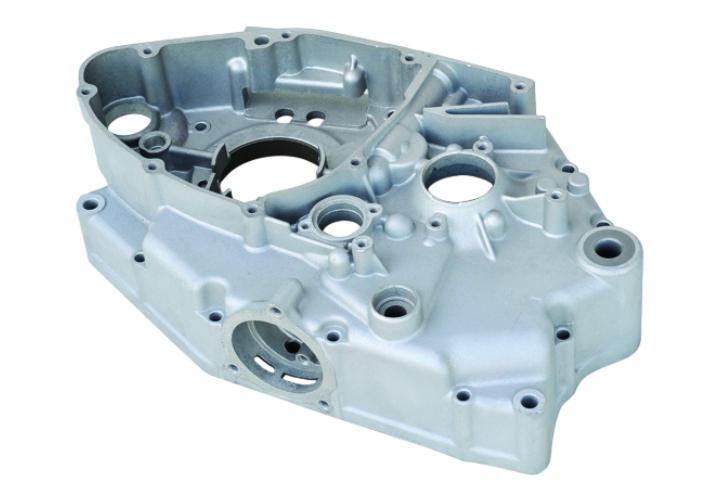
1. Process principle
In the mold forging process, the heated metal billet is first placed in a special mold. The mold has a pre-designed cavity, which determines the shape of the final forging. Then, huge pressure is applied by equipment such as a press to cause the metal billet to undergo plastic deformation under the constraints of the mold. This deformation is carried out under the combined action of high temperature and high pressure, which can refine the grains inside the metal and make the organization denser.
Compared with free forging, the advantage of mold forging lies in its high precision. Due to the strict control of the mold on the flow of metal, the dimensional accuracy and shape accuracy of the forged parts are very high, which can directly meet the assembly requirements of many parts and components, reducing the subsequent processing procedures.
2. The importance of molds
The mold is the core of the mold forging process. The design of the mold needs to be customized according to the specific forging requirements. For forgings with complex shapes, such as parts with internal cavities or fine shapes, the design of the mold is more complicated. The surface finish of the mold cavity and the demolding structure directly affect the efficiency of forging and the quality of forgings.
The selection of mold materials is also crucial. High-strength and high-heat-resistant mold steel is usually used. These materials can withstand high temperature, high pressure and repeated stress during the forging process, ensuring that the mold will not be deformed or damaged during long-term use.
3. Application areas
Many key parts of automobiles, such as crankshafts, connecting rods, and wheels, are produced by mold forging. These parts need to have high strength and high reliability. Mold forging can meet their performance requirements while ensuring quality stability during large-scale production.
In the field of aerospace, mold forging technology also plays an irreplaceable role in some lightweight and high-strength metal structural parts, such as engine parts and wing connectors. Through mold forging, these parts can achieve complex shape design while meeting strict performance indicators.
Mold forging
Previous Page
Next Page
Previous Page
Next Page
30
2026-09
The Art of Crafting Durable Aluminum Casts for Industrial Applications
27
2026-09
The Essential Guide to Die Casting: Techniques, Applications, and Benefits
24
2026-09
How to Stay Ahead in Mold Forging: Insights for Manufacturers
21
2026-09
The Essential Guide to Forging Molds: Understanding Their Importance in Manufacturing
18
2026-09
Zinc Die Casting Parts: A Premier Cost-Effective Solution for Customized Manufacturing
15
2026-09
The Intricacies of Zinc Alloy Die Casting: A Comprehensive Overview
12
2026-09
The Art of Creating Intricate Designs Through Aluminum Prototype Casting
GM Diecasting Technology Co.,Limited.
Add:Building 1-5, Chongke Road, Shipai Town, Dongguan City, Guangdong Province
Email:henry@gmdiecastingtech.com
Email:lily@gmdiecastingtech.com
Tel:+8613680864695