



09
2026
-
03
The Versatile World of Aluminum Alloys: Properties, Applications, and Benefits
Author:
One of the most notable characteristics of aluminum alloys is their excellent strength-to-weight ratio. This makes them ideal for applications where minimizing weight is crucial, such as in aerospace and automotive manufacturing. The ability to withstand extreme temperatures and resist corrosion further amplifies their appeal. Additionally, aluminum alloys exhibit good thermal and electrical conductivity, making them essential in electrical applications.
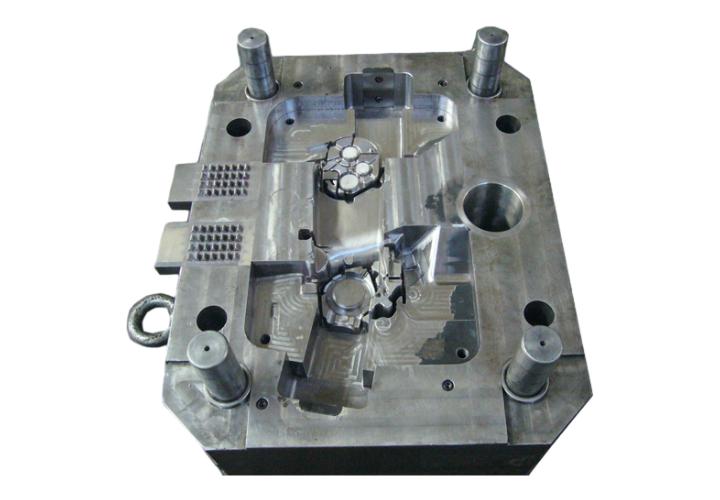
In terms of classification, aluminum alloys are generally divided into two main categories: wrought and cast. Wrought alloys are processed through mechanical working, such as rolling or extruding, which results in a refined grain structure, enhancing their strength and ductility. On the other hand, cast alloys are produced by pouring molten aluminum into molds, which allows for complex shapes and designs that are often required in parts manufacturing.
The versatility of aluminum alloys extends to their applications across numerous sectors. In the automotive industry, for example, they are used in engine components, body panels, and wheels to improve fuel efficiency and performance. In the aerospace sector, aluminum alloys are employed in aircraft structures, contributing to weight reduction while maintaining safety standards. In the construction industry, they are utilized in window frames, roofing, and structural components due to their longevity and aesthetic appeal.
Another significant advantage of aluminum alloys is their recyclability. The recycling process requires only a fraction of the energy used in primary aluminum production, making aluminum alloys an environmentally friendly choice. This sustainability aspect aligns with current industry trends focusing on reducing carbon footprints and promoting eco-friendly practices.
In conclusion, aluminum alloys represent a remarkable intersection of innovation and practicality. Their unique properties, vast applications, and beneficial characteristics make them indispensable in various industries, including metallurgy and energy. Understanding the benefits and uses of aluminum alloys can help businesses leverage these materials to enhance product performance, sustainability, and overall efficiency. As the demand for lightweight, durable materials continues to rise, aluminum alloys will undoubtedly play a crucial role in future advancements across multiple sectors.
aluminum alloy
06
2026-09
Unlocking Potential: The Advantages of Custom Aluminum Casting in Machinery Manufacturing
03
2026-09
The Essential Guide to Zinc Casting in Die-Casting and Forging Molds
31
2026-08
Precision Engineering: The Transformative Role of Zinc Die Casting in Tool Development
28
2026-08
Unlocking the Potential of Die Casting Machines in Metalworking
25
2026-08
Driving Innovation through Aluminum Die Casting: The Future of Manufacturing
22
2026-08
The Essential Guide to Aluminum Alloy Molds: Enhancing Manufacturing Efficiency
19
2026-08
GM Diecasting Technology Co.,Limited.
Add:Building 1-5, Chongke Road, Shipai Town, Dongguan City, Guangdong Province
Email:henry@gmdiecastingtech.com
Email:lily@gmdiecastingtech.com
Tel:+8613680864695