



12
2026
-
03
The Evolution of Zinc Alloy: From Mining to Manufacturing
Author:
The Evolution of Zinc Alloy: From Mining to Manufacturing
Zinc alloys have become integral to various industries, playing a crucial role in manufacturing and engineering. From construction to automotive applications, zinc alloys exhibit exceptional properties that enhance the performance and longevity of products. This article delves into the evolution of zinc alloys, tracing their journey from mining to the sophisticated manufacturing processes of today.
Table of Contents
- 1. Introduction to Zinc Alloys
- 2. Historical Background of Zinc Mining
- 3. Key Properties of Zinc Alloys
- 4. Applications of Zinc Alloys Across Industries
- 5. Manufacturing Processes of Zinc Alloys
- 6. Environmental Impact of Zinc Alloy Production
- 7. Future Trends in Zinc Alloy Development
- 8. FAQs about Zinc Alloys
- 9. Conclusion
1. Introduction to Zinc Alloys
Zinc alloys are metal mixtures primarily composed of zinc and other metals, such as aluminum, copper, and magnesium. These alloys are known for their excellent mechanical properties, corrosion resistance, and lightweight nature. The growing demand for materials that offer durability without compromising on weight has led to the increasing use of zinc alloys in various sectors. Understanding the evolution of zinc alloys provides valuable insights into their importance in today’s manufacturing landscape.
2. Historical Background of Zinc Mining
The history of zinc mining dates back thousands of years, with significant findings in ancient civilizations. The discovery of zinc as a metal occurred around the 9th century in India, where it was used in various applications. However, it wasn’t until the 18th century that zinc began to be produced on a larger scale.
The Industrial Revolution marked a turning point for zinc mining and alloy production. The introduction of new smelting techniques and advances in mining technology allowed for more efficient extraction and processing of zinc. By the late 19th century, the demand for zinc alloys skyrocketed due to their applications in the burgeoning automotive and construction industries.
2.1 The Mining Process
The extraction of zinc from its ore, primarily sphalerite (ZnS), involves several steps:
1. **Mining**: Zinc ore is typically extracted through underground mining or open-pit mining.
2. **Crushing**: The ore is crushed to liberate zinc minerals from the surrounding rock.
3. **Concentration**: The crushed ore undergoes flotation, a process that separates zinc minerals from other materials.
4. **Roasting**: The concentrated ore is roasted in the presence of oxygen to convert zinc sulfide to zinc oxide.
5. **Reduction**: Finally, zinc oxide is reduced using carbon in a furnace to produce pure zinc.
3. Key Properties of Zinc Alloys
Zinc alloys possess several notable properties that make them desirable for various applications:
3.1 Corrosion Resistance
One of the most significant advantages of zinc alloys is their ability to resist corrosion. This property is essential for materials exposed to harsh environments, such as marine or industrial settings. The corrosion resistance is primarily due to the formation of a protective layer of zinc oxide on the surface when exposed to air.
3.2 Mechanical Strength
Zinc alloys exhibit excellent mechanical strength, making them suitable for load-bearing applications. With the right alloying elements, zinc can achieve tensile strengths comparable to those of aluminum and some steels.
3.3 Lightweight
Zinc alloys are lighter than many traditional metals, offering significant advantages in industries such as automotive and aerospace, where reducing weight can lead to improved fuel efficiency and performance.
3.4 Ease of Machining
The malleability and ductility of zinc alloys facilitate machining processes, enabling manufacturers to create complex shapes and components with precision.
4. Applications of Zinc Alloys Across Industries
Zinc alloys find extensive use in numerous industries due to their advantageous properties. Some of the key applications include:
4.1 Automotive Industry
Zinc alloys are widely used in automotive manufacturing for components such as die-cast parts, engine blocks, and transmission housings. Their lightweight nature helps improve fuel efficiency, while their corrosion resistance extends the lifespan of automotive components.
4.2 Construction Industry
In construction, zinc alloys serve as roofing materials, gutters, and cladding. Their durability and aesthetic appeal make them a popular choice for architects and builders.
4.3 Electronics
Zinc alloys are utilized in the production of electronic housings and components. Their excellent conductivity and resistance to corrosion make them suitable for various electronic applications.
4.4 Consumer Goods
The consumer goods sector also benefits from zinc alloys, with applications ranging from household items to sporting goods. Their versatility allows manufacturers to create aesthetically pleasing and functional products.
5. Manufacturing Processes of Zinc Alloys
The manufacturing of zinc alloys involves various processes, each tailored to specific applications and performance requirements.
5.1 Die Casting
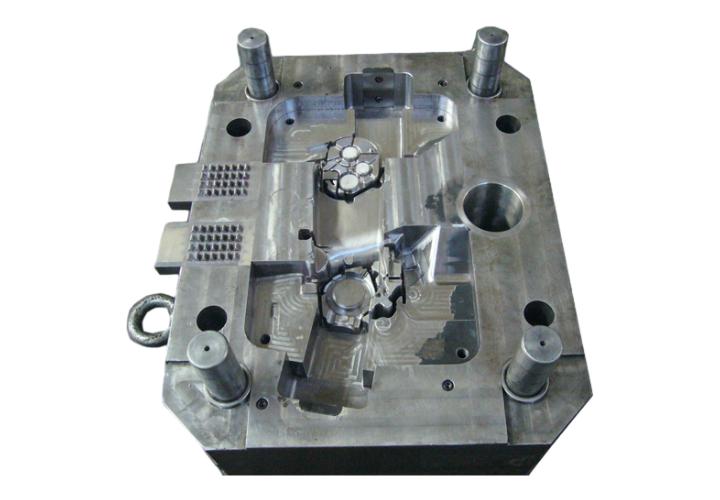
Die casting is a popular method for producing zinc alloy components. In this process, molten zinc alloy is injected into a mold under high pressure, resulting in precise and intricate shapes.
5.2 Sand Casting
For larger components, sand casting is often employed. This method involves creating a mold from sand, which is then filled with molten zinc alloy. Once cooled, the mold is removed to reveal the cast part.
5.3 Extrusion
Zinc alloys can also be produced through extrusion, where the molten alloy is forced through a die to create long shapes, such as bars and tubes. This method is efficient for producing uniform cross-sections.
6. Environmental Impact of Zinc Alloy Production
The production of zinc alloys has environmental implications that must be addressed. Mining activities can lead to habitat destruction and pollution, while the manufacturing processes can generate waste and emissions.
6.1 Sustainable Practices
To mitigate these impacts, the industry is increasingly adopting sustainable practices. This includes recycling zinc, improving energy efficiency in manufacturing, and adhering to stringent environmental regulations. The recycling of zinc is particularly effective, as it requires significantly less energy compared to primary production.
7. Future Trends in Zinc Alloy Development
The future of zinc alloys looks promising, with ongoing research and development aimed at enhancing their properties and expanding their applications.
7.1 Advanced Alloys
Developing advanced zinc alloys with improved mechanical properties and corrosion resistance is a key focus. Researchers are experimenting with various alloying elements to create materials that can withstand even harsher environments.
7.2 Eco-Friendly Innovations
As sustainability becomes a priority, eco-friendly innovations in zinc alloy production will likely gain traction. This includes processes that minimize waste and energy consumption while maximizing recycling efforts.
8. FAQs about Zinc Alloys
8.1 What are zinc alloys?
Zinc alloys are metal mixtures primarily made of zinc and other metals, such as aluminum, copper, and magnesium, known for their mechanical strength and corrosion resistance.
8.2 What industries use zinc alloys?
Zinc alloys are used in various industries, including automotive, construction, electronics, and consumer goods.
8.3 How are zinc alloys manufactured?
Zinc alloys are manufactured using processes such as die casting, sand casting, and extrusion.
8.4 What are the environmental impacts of zinc alloy production?
Zinc alloy production can lead to habitat destruction and pollution, but sustainable practices are being adopted to mitigate these effects.
8.5 What is the future of zinc alloys?
The future of zinc alloys includes advanced materials with improved properties and eco-friendly innovations in production processes.
9. Conclusion
The evolution of zinc alloys from their origins in mining to modern manufacturing processes highlights their significance in today's industries. Their exceptional properties, versatile applications, and ongoing advancements position zinc alloys as a vital material in the future of metallurgy. As we continue to explore sustainable practices and innovative developments, zinc alloys will undoubtedly play a crucial role in shaping the landscape of manufacturing and technology.
zinc alloy
06
2026-09
Unlocking Potential: The Advantages of Custom Aluminum Casting in Machinery Manufacturing
03
2026-09
The Essential Guide to Zinc Casting in Die-Casting and Forging Molds
31
2026-08
Precision Engineering: The Transformative Role of Zinc Die Casting in Tool Development
28
2026-08
Unlocking the Potential of Die Casting Machines in Metalworking
25
2026-08
Driving Innovation through Aluminum Die Casting: The Future of Manufacturing
22
2026-08
The Essential Guide to Aluminum Alloy Molds: Enhancing Manufacturing Efficiency
19
2026-08
GM Diecasting Technology Co.,Limited.
Add:Building 1-5, Chongke Road, Shipai Town, Dongguan City, Guangdong Province
Email:henry@gmdiecastingtech.com
Email:lily@gmdiecastingtech.com
Tel:+8613680864695