



15
2026
-
03
The Advantages of Zinc Alloy Molds in Precision Manufacturing
Author:
One of the primary benefits of zinc alloy molds is their excellent machining characteristics. Zinc alloys are easier to machine compared to other metals, which allows for precise and intricate designs. This is particularly advantageous in industries that require complex mold designs for varying applications. The ability to achieve tight tolerances means that products can be produced with high accuracy, reducing the need for extensive finishing processes.
Another significant advantage of zinc alloy molds is their durability and strength. Zinc alloys exhibit high resistance to wear and tear, which contributes to a longer lifespan of the molds. This is crucial in high-volume production environments where molds are subjected to continuous use. The durability of zinc alloy molds leads to reduced maintenance costs and less frequent replacements, ultimately improving the overall productivity of manufacturing operations.
Additionally, zinc alloy molds provide excellent thermal conductivity. This property is vital in the molding process as it allows for even heat distribution, reducing the risk of defects due to temperature fluctuations. Better thermal management can lead to improved cycle times and a more consistent quality of the final products. This aspect is particularly important in industries such as automotive and consumer electronics, where product reliability is paramount.
Zinc alloys also offer versatility in terms of surface finishes. They can be easily plated or coated to enhance aesthetic appeal and corrosion resistance, making them suitable for a wide range of applications. This adaptability allows manufacturers to meet various customer specifications without compromising on quality.
Furthermore, using zinc alloy molds can contribute to environmentally friendly manufacturing practices. Zinc is a more sustainable metal option compared to others traditionally used in mold making. Its recyclability and lower energy requirements during production can help companies reduce their carbon footprint.
In summary, zinc alloy molds are an excellent choice for precision manufacturing due to their ease of machining, durability, thermal properties, and versatility. Their adoption can lead to significant improvements in production efficiency and product quality, making them a valuable asset in the modern manufacturing landscape. As industries continue to seek innovative solutions, zinc alloy molds stand out as a preferred option for achieving excellence in mold processing.
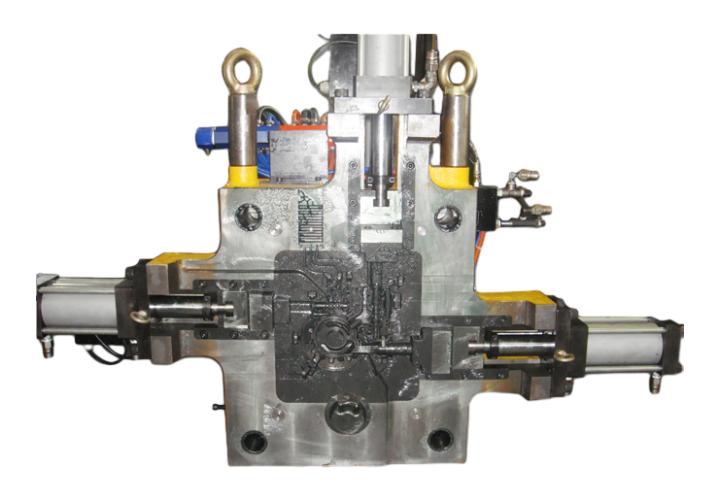
Zinc alloy mold
09
2026-09
Understanding Die Casting Molds: The Backbone of Precision Manufacturing
06
2026-09
Unlocking Potential: The Advantages of Custom Aluminum Casting in Machinery Manufacturing
03
2026-09
The Essential Guide to Zinc Casting in Die-Casting and Forging Molds
31
2026-08
Precision Engineering: The Transformative Role of Zinc Die Casting in Tool Development
28
2026-08
Unlocking the Potential of Die Casting Machines in Metalworking
25
2026-08
Driving Innovation through Aluminum Die Casting: The Future of Manufacturing
22
2026-08
The Essential Guide to Aluminum Alloy Molds: Enhancing Manufacturing Efficiency
GM Diecasting Technology Co.,Limited.
Add:Building 1-5, Chongke Road, Shipai Town, Dongguan City, Guangdong Province
Email:henry@gmdiecastingtech.com
Email:lily@gmdiecastingtech.com
Tel:+8613680864695