



10
2026
-
06
Mold Forging: A Cornerstone of National Manufacturing Goals
Author:
Mold Forging and Its Contribution to National Manufacturing Goals
Manufacturing has long been a cornerstone of national economies, and as industries evolve, so do the techniques and technologies that drive them forward. One such critical technique is mold forging, which serves as a linchpin in achieving national manufacturing goals. In this article, we will explore the significance of mold forging, its various applications, and how it contributes to the overall productivity and efficiency within the manufacturing sector.
Understanding Mold Forging: A Comprehensive Overview
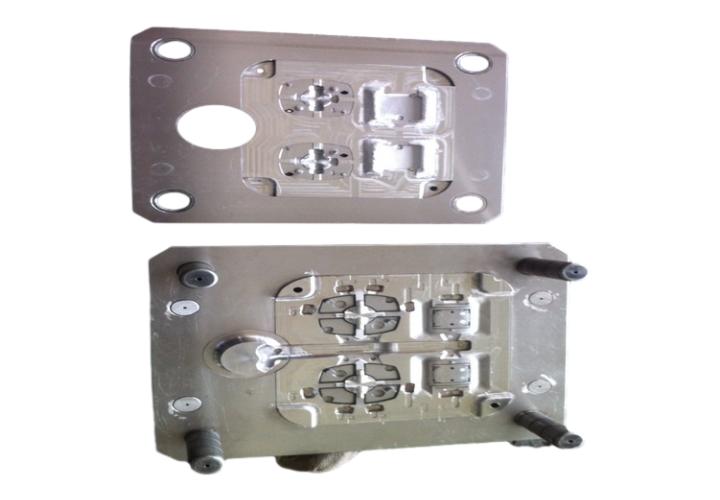
Mold forging is a specialized process that involves shaping metal using a mold and mechanical force. This technique is primarily used for producing components that require high strength and durability. By inducing high temperatures and pressures, manufacturers can achieve intricate designs and precise dimensions, making mold forging indispensable in various industries.
The Process of Mold Forging
The mold forging process typically consists of several key stages:
1. **Material Selection**: Choosing the right material is crucial. Common materials used in mold forging include steel, aluminum, and titanium, each selected based on the specific requirements of the end product.
2. **Creating the Mold**: The design of the mold is central to the forging process. Molds are crafted to exact specifications, often utilizing advanced computer-aided design (CAD) software for precision.
3. **Heating the Material**: The selected metal is heated to a point where it becomes malleable. This step is vital as it allows the material to take the shape of the mold.
4. **Applying Force**: Once heated, the material is placed into the mold, and force is applied using hydraulic presses or hammers. This step shapes the material into its desired form.
5. **Cooling and Finishing**: After the material is shaped, it is cooled down and may undergo additional finishing processes, such as machining or surface treatment, to enhance its properties.
Applications of Mold Forging in Various Industries
Mold forging has widespread applications across several industries, including:
- **Automotive**: Mold forging is instrumental in producing components like gears, crankshafts, and connecting rods that require high strength and durability.
- **Aerospace**: In the aerospace sector, mold forging is employed to create lightweight yet robust parts that contribute to fuel efficiency and overall performance.
- **Construction**: Structural components used in buildings and infrastructure often utilize mold forging to ensure strength and longevity.
The Impact of Mold Forging on National Manufacturing Goals
Mold forging significantly contributes to national manufacturing goals in multiple ways. Here are some key impacts:
1. Enhancing Manufacturing Efficiency
Mold forging allows manufacturers to produce high-quality parts in large quantities with reduced waste. The precision of the process ensures that parts fit together seamlessly, improving assembly time and overall efficiency.
2. Promoting Technological Innovation
As industries demand more advanced materials and designs, mold forging drives technological innovation. Manufacturers are continually exploring new alloys and techniques to improve the strength and performance of forged components, pushing the boundaries of what is possible in production.
3. Supporting Economic Growth
The manufacturing sector plays a vital role in the economy. By utilizing mold forging, industries can create jobs, stimulate economic growth, and enhance the competitiveness of national products in the global market.
4. Responding to Sustainability Goals
Mold forging can be more sustainable compared to other manufacturing methods due to its reduced material waste and energy efficiency. By optimizing the forging process, manufacturers can align with national sustainability goals and contribute to a greener economy.
Challenges in Mold Forging
While mold forging offers numerous benefits, there are challenges that manufacturers must navigate:
1. High Initial Setup Costs
Creating molds can be expensive, particularly for complex designs. The initial investment may deter smaller manufacturers from adopting this technology.
2. Skilled Labor Shortages
Mold forging requires a skilled workforce capable of operating advanced machinery and understanding complex processes. A shortage of trained professionals can hinder production capabilities.
3. Technological Adaptation
As technology advances rapidly, manufacturers must continually invest in upgrading equipment and training personnel. This adaptation can be a barrier for some companies.
Future Trends in Mold Forging
The future of mold forging is bright, with several trends shaping its evolution:
1. Integration of Automation and Robotics
Automation is set to revolutionize mold forging processes. The implementation of robotic systems can enhance efficiency, reduce human error, and lower production costs.
2. Advanced Materials Development
Research into new materials, such as composites and lightweight alloys, can lead to even greater advancements in mold forging. These innovations will enable the production of stronger, lighter components suitable for various applications.
3. Data-Driven Manufacturing
The use of data analytics and IoT technologies will allow manufacturers to optimize their processes, monitor production in real-time, and improve quality control.
Frequently Asked Questions (FAQs)
1. What is mold forging, and how does it differ from other forging methods?
Mold forging involves shaping metal using a mold and mechanical force, while other methods may not use molds and can include open-die forging or closed-die forging.
2. What materials are commonly used in mold forging?
Common materials include steel, aluminum, and titanium, selected based on the specific application and required properties of the final product.
3. What industries benefit the most from mold forging?
Industries such as automotive, aerospace, and construction primarily benefit from mold forging due to its ability to produce high-strength components.
4. How does mold forging contribute to sustainability?
Mold forging reduces material waste and can be more energy-efficient, aligning with sustainability goals in manufacturing.
5. What are the main challenges faced by manufacturers using mold forging?
Challenges include high initial setup costs, a shortage of skilled labor, and the need for continuous technological adaptation.
Conclusion
Mold forging stands as a crucial element in advancing national manufacturing goals, offering efficiency, innovation, and economic growth. While challenges exist, the benefits far outweigh them. As industries continue to evolve, integrating advanced technologies and materials will only enhance the contributions of mold forging to the manufacturing landscape. By embracing these advancements, manufacturers can ensure that they remain competitive in a rapidly changing global market, ultimately supporting national economic objectives and sustainability efforts.
mold forging
03
2026-09
The Essential Guide to Zinc Casting in Die-Casting and Forging Molds
31
2026-08
Precision Engineering: The Transformative Role of Zinc Die Casting in Tool Development
28
2026-08
Unlocking the Potential of Die Casting Machines in Metalworking
25
2026-08
Driving Innovation through Aluminum Die Casting: The Future of Manufacturing
22
2026-08
The Essential Guide to Aluminum Alloy Molds: Enhancing Manufacturing Efficiency
19
2026-08
16
2026-08
Understanding Zinc Alloys: Properties, Applications, and Benefits
GM Diecasting Technology Co.,Limited.
Add:Building 1-5, Chongke Road, Shipai Town, Dongguan City, Guangdong Province
Email:henry@gmdiecastingtech.com
Email:lily@gmdiecastingtech.com
Tel:+8613680864695