
23

2026

-

07

Understanding Prototype Aluminum Casting: A Guide for Manufacturing Professionals

Author:


Prototype aluminum casting serves as an essential method in the manufacturing and machining sectors, particularly for those involved in creating molds and forged components. This technique allows engineers and designers to develop functional prototypes quickly, facilitating rapid testing and iteration of designs before final production.
One of the primary benefits of prototype aluminum casting is its ability to produce lightweight yet strong components. Aluminum is known for its excellent strength-to-weight ratio, making it a preferable material for various applications, including automotive, aerospace, and consumer products. By utilizing prototype aluminum casting, manufacturers can simulate the final product's performance characteristics, enabling them to identify potential design flaws early in the development cycle.
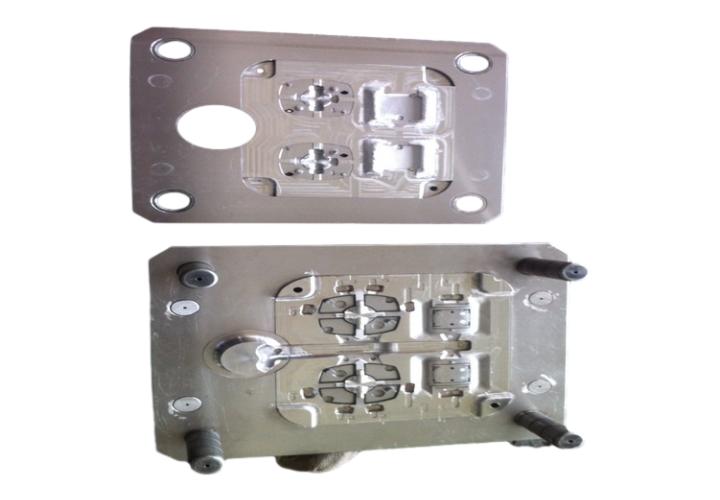
The process typically begins with creating a mold, which can be made from various materials, including steel, sand, or resin. The mold is designed based on the specifications of the component being produced. Once the mold is ready, molten aluminum is poured into it, allowing for precise replication of the intended design. This method provides a cost-effective solution for producing small batches of parts, as it minimizes material waste and reduces the time required for tooling.
Moreover, prototype aluminum casting supports various design complexities, enabling the creation of intricate geometries and fine details that may be challenging to achieve through traditional machining methods. This versatility makes it an ideal choice for industries that require customized components tailored to specific performance criteria.
In addition to design flexibility, the use of prototype aluminum casting can significantly shorten lead times. Rapid prototyping allows for quick adjustments and modifications, streamlining the development process. This is particularly advantageous in industries where time-to-market is critical for maintaining competitiveness.
Furthermore, once a prototype has been tested and validated, manufacturers can easily transition to full-scale production using the same casting techniques. This ensures consistency in quality and performance across all produced parts, which is vital for maintaining customer satisfaction and meeting industry standards.
Ultimately, understanding the intricacies of prototype aluminum casting empowers professionals in manufacturing and machining to optimize their design and production processes. By leveraging this technique, businesses can enhance their product offerings, reduce costs, and improve overall efficiency. As the industry continues to evolve, mastering prototype aluminum casting will remain a crucial skill for those engaged in mold-making and forging operations.

prototype aluminum casting
06

2026-09

Unlocking Potential: The Advantages of Custom Aluminum Casting in Machinery Manufacturing

Unlocking Potential: The Advantages of Custom Aluminum Casting in Machinery Manufacturing Table of Contents Introduction to Custom Aluminum Casting What is Aluminum Casting? Benefits of Custom Aluminum Casting 1. Lightweight and Strength 2. Corrosion Resistance 3. Design Flexibility 4. Cost-Effectiveness 5. Recyclabi

03

2026-09

The Essential Guide to Zinc Casting in Die-Casting and Forging Molds

Zinc casting is a pivotal process in the manufacturing sector, particularly in the production of intricate parts through die-casting techniques. This method involves pouring molten zinc into a mold to create parts with high precision and excellent surface finish. The versatility of zinc casting makes it a popular choice for a wide array of applications, ranging from automotive components to consum

31

2026-08

Precision Engineering: The Transformative Role of Zinc Die Casting in Tool Development

Precision Engineering: The Transformative Role of Zinc Die Casting in Tool Development Table of Contents 1. Introduction to Zinc Die Casting in Precision Engineering 2. Understanding Zinc Die Casting: An Overview 3. The Benefits of Zinc Die Casting in Tool Development 4. Applications of Zinc Die Casting in Various Industries 5. Zinc Die Casting vs. Other Manufacturing Methods

28

2026-08

Unlocking the Potential of Die Casting Machines in Metalworking

Die casting machines are pivotal in the realm of metalworking, particularly in manufacturing components that require high precision and durable properties. This method involves forcing molten metal into a mold cavity under high pressure, resulting in complex shapes and fine details that are often difficult to achieve through traditional machining processes. The versatility and effectiveness of die

25

2026-08

Driving Innovation through Aluminum Die Casting: The Future of Manufacturing

Driving Innovation through Aluminum Die Casting: The Future of Manufacturing In recent years, the manufacturing industry has experienced significant advancements, particularly with the rise of aluminum die casting. This innovative process has not only improved production efficiency but has also introduced new opportunities for design flexibility and material performance. In this article, we will e

22

2026-08

The Essential Guide to Aluminum Alloy Molds: Enhancing Manufacturing Efficiency

Aluminum alloy molds have become a crucial component in the manufacturing and machining industries, particularly in mold processing. These molds are favored for their unique combination of lightweight properties, excellent thermal conductivity, and corrosion resistance, which collectively enhance the efficiency of production processes. One of the primary advantages of aluminum alloy molds is their

19

2026-08

Mastering Precision Production with Zinc Alloy Molding: Unleashing the Power of Advanced Manufacturing Techniques

Mastering Precision Production with Zinc Alloy Molding Table of Contents 1. Introduction to Zinc Alloy Molding 2. What is Zinc Alloy? 3. Benefits of Zinc Alloy Molding in Manufacturing 4. Applications of Zinc Alloy Molding 5. The Zinc Alloy Molding Process Explained 6. Best Practices for Successful Zinc Alloy Molding 7. Common Challenges in Zinc Alloy Molding 8. The Future of Zinc

16

2026-08

Understanding Zinc Alloys: Properties, Applications, and Benefits

Zinc alloys are a group of metallic compounds that primarily consist of zinc, often combined with other metals such as aluminum, copper, and magnesium. These alloys are known for their excellent corrosion resistance, high strength-to-weight ratio, and good casting properties, making them ideal for a wide array of industrial applications. One of the most significant advantages of zinc alloys is the