



26
2026
-
07
Pioneering Precision: Zinc Alloy Die Casting for Superior Forge Mold Creation
Author:
Pioneering Precision: Zinc Alloy Die Casting for Superior Forge Mold Creation
Table of Contents
- 1. Introduction to Zinc Alloy Die Casting
- 2. Benefits of Zinc Alloy Die Casting in Forge Mold Creation
- 3. The Die Casting Process Explained
- 4. Applications of Zinc Alloy Die Casting in Manufacturing
- 5. Zinc Alloy vs. Other Materials for Die Casting
- 6. Challenges in Zinc Alloy Die Casting
- 7. The Future of Die Casting Technology
- 8. Frequently Asked Questions About Zinc Alloy Die Casting
- 9. Conclusion
1. Introduction to Zinc Alloy Die Casting
Zinc alloy die casting has emerged as a game-changing technology in the manufacturing industry, particularly in the creation of high-precision forge molds. This method combines the durability of zinc alloys with the efficiency of die casting, resulting in superior quality and performance that meet the rigorous demands of modern manufacturing. Zinc alloys are known for their excellent fluidity, corrosion resistance, and mechanical strength, making them the ideal choice for producing intricate mold designs.
In this article, we will delve into the intricacies of zinc alloy die casting, exploring its benefits, processes, applications, and the future of this innovative technology. Whether you are a manufacturer, engineer, or simply interested in the advancements of manufacturing processes, this comprehensive guide will provide valuable insights into how zinc alloy die casting can revolutionize mold creation.
2. Benefits of Zinc Alloy Die Casting in Forge Mold Creation
The advantages of using zinc alloy die casting in forge mold creation are numerous and significant:
2.1 Superior Precision and Detail
Zinc alloys allow for the production of highly detailed and precise molds. The excellent fluidity of molten zinc makes it easy to fill complex mold cavities, capturing intricate details without flaws. This precision translates into superior quality products, minimizing the need for secondary finishing processes.
2.2 Enhanced Durability
Zinc alloys exhibit remarkable strength and resistance to wear and tear. Molds created through zinc alloy die casting can withstand the high pressures and temperatures associated with forging, ensuring longevity and reliability in production.
2.3 Cost-Effectiveness
The die casting process is both efficient and economical. It enables high-volume production at relatively low costs, making it an attractive option for manufacturers looking to optimize their operational budgets. Zinc alloy die casting also reduces material waste, further contributing to cost savings.
2.4 Lightweight Characteristics
Zinc alloys are significantly lighter than other metals used in die casting, such as aluminum or steel. This characteristic is particularly beneficial in applications where weight reduction is critical, such as in the automotive and aerospace industries.
2.5 Corrosion Resistance
Zinc's natural corrosion resistance ensures that molds maintain their integrity and performance over time. This property is crucial for manufacturers who require consistent quality in their products without worrying about degradation.
3. The Die Casting Process Explained
Understanding the die casting process is essential for appreciating its effectiveness in mold creation. The steps involved in zinc alloy die casting are as follows:
3.1 Preparation of the Die
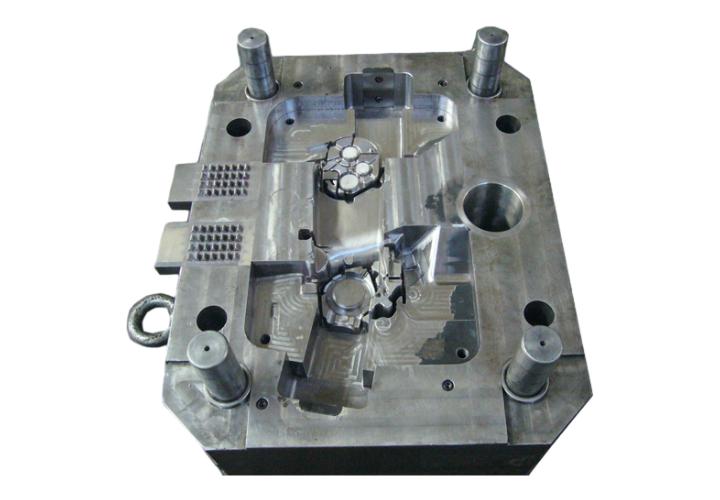
The first step involves preparing the die, which comprises two halves. These halves are machined to create the desired mold shape and are coated with a release agent to facilitate the easy removal of the finished product.
3.2 Melting the Zinc Alloy
Next, the zinc alloy is heated to its melting point, typically around 400°C (752°F). Once molten, the alloy is transferred to a die casting machine.
3.3 Injection into the Die
The molten zinc alloy is injected into the die under high pressure, allowing it to fill the mold cavities completely. This pressure ensures that even the most intricate features are captured.
3.4 Cooling and Ejection
After the alloy has filled the die, it is allowed to cool and solidify. Once hardened, the die halves are separated, and the mold is ejected. The time taken for cooling can vary, but it is generally quick due to the thermal conductivity of zinc alloys.
3.5 Finishing Processes
Though zinc alloy die casting produces high-quality molds, some applications may require additional finishing processes such as machining, polishing, or surface treatment to achieve specific tolerances or aesthetic effects.
4. Applications of Zinc Alloy Die Casting in Manufacturing
Zinc alloy die casting finds extensive applications across various industries due to its unique properties:
4.1 Automotive Industry
In the automotive sector, zinc alloy die casting is utilized for producing intricate components such as engine blocks, transmission housings, and decorative parts. The lightweight nature of zinc helps improve fuel efficiency without compromising strength.
4.2 Electronics Manufacturing
Zinc die casting is widely used for creating housings, brackets, and other components in the electronics industry. The excellent thermal conductivity of zinc ensures efficient heat dissipation, making it suitable for electronic devices.
4.3 Aerospace Applications
In aerospace, the demand for lightweight and durable components is paramount. Zinc alloy die casting provides the necessary strength while reducing overall weight, allowing for improved fuel efficiency and performance.
4.4 Hardware and Fasteners
Zinc alloy die casting is commonly used for manufacturing hardware items such as locks, latches, and fasteners. The corrosion resistance of zinc ensures longevity and reliability in various environments.
5. Zinc Alloy vs. Other Materials for Die Casting
When choosing a material for die casting, it is essential to compare zinc alloys with other options:
5.1 Zinc Alloy vs. Aluminum
While aluminum is also a popular choice for die casting, zinc alloys offer superior strength and detail retention. Zinc is generally preferred for smaller, more intricate parts due to its better fluidity.
5.2 Zinc Alloy vs. Magnesium
Magnesium is lighter than zinc but can be more expensive and challenging to work with. Zinc alloys provide a better balance of cost, strength, and ease of processing.
5.3 Zinc Alloy vs. Steel
Steel is considerably heavier than zinc and is typically used for larger components. Zinc's lightweight nature makes it more suitable for applications where weight reduction is essential.
6. Challenges in Zinc Alloy Die Casting
Despite its many advantages, zinc alloy die casting does come with certain challenges:
6.1 Limited Size Capacity
Zinc alloy die casting is generally best suited for smaller components. Larger parts may require alternative manufacturing techniques due to the limitations of die size and material properties.
6.2 Temperature Sensitivity
Zinc alloys have specific melting points and are sensitive to temperature fluctuations. Maintaining consistent heating during the casting process is crucial to ensure quality.
6.3 Scrapping and Recycling
While zinc alloys are recyclable, managing scrap metal can be challenging. Ensuring effective recycling processes can help mitigate waste and environmental impact.
7. The Future of Die Casting Technology
The future of zinc alloy die casting looks promising, with advancements in technology driving innovation. The integration of automation and robotics is enhancing production efficiency and consistency. Moreover, the development of new zinc alloys with improved properties is likely to expand the range of applications for die casting, further solidifying its role in modern manufacturing.
8. Frequently Asked Questions About Zinc Alloy Die Casting
8.1 What are the primary advantages of zinc alloy die casting?
Zinc alloy die casting offers benefits such as superior precision, durability, cost-effectiveness, lightweight characteristics, and excellent corrosion resistance.
8.2 How does the die casting process work?
The die casting process involves preparing the die, melting the zinc alloy, injecting the molten metal into the die under pressure, cooling, and ejecting the finished mold.
8.3 What industries benefit from zinc alloy die casting?
Industries such as automotive, electronics, aerospace, and hardware manufacturing benefit significantly from zinc alloy die casting.
8.4 Can zinc alloy die cast components be recycled?
Yes, zinc alloys are recyclable, and effective recycling processes can help minimize waste and environmental impact.
8.5 What challenges are associated with zinc alloy die casting?
Challenges include limited size capacity for larger components, temperature sensitivity, and the management of scrap metal.
9. Conclusion
Zinc alloy die casting represents a significant advancement in the creation of forge molds, offering unparalleled precision, durability, and cost-effectiveness. As industries continue to seek innovative solutions for high-quality manufacturing, zinc alloy die casting stands out as a leading technology. By leveraging the benefits of this process, manufacturers can enhance production capabilities, reduce waste, and meet the growing demands of modern markets. The future of die casting technology looks bright, and we anticipate exciting developments that will further solidify zinc alloy die casting's place in the manufacturing landscape.
zinc alloy die casting
06
2026-09
Unlocking Potential: The Advantages of Custom Aluminum Casting in Machinery Manufacturing
03
2026-09
The Essential Guide to Zinc Casting in Die-Casting and Forging Molds
31
2026-08
Precision Engineering: The Transformative Role of Zinc Die Casting in Tool Development
28
2026-08
Unlocking the Potential of Die Casting Machines in Metalworking
25
2026-08
Driving Innovation through Aluminum Die Casting: The Future of Manufacturing
22
2026-08
The Essential Guide to Aluminum Alloy Molds: Enhancing Manufacturing Efficiency
19
2026-08
GM Diecasting Technology Co.,Limited.
Add:Building 1-5, Chongke Road, Shipai Town, Dongguan City, Guangdong Province
Email:henry@gmdiecastingtech.com
Email:lily@gmdiecastingtech.com
Tel:+8613680864695