
29

2026

-

07

Understanding the Benefits of Zinc Die Casting Parts in Precision Manufacturing

Author:


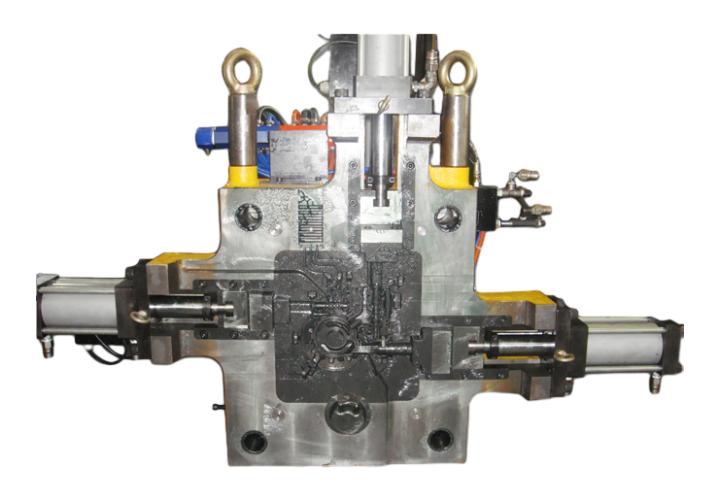
Zinc die casting parts are increasingly popular in the manufacturing sector, particularly in the field of precision machining and metalworking. The die casting process involves forcing molten zinc into a mold cavity under high pressure, resulting in intricate components that exhibit excellent dimensional accuracy and surface finish. This method is particularly advantageous for industries that require high-volume production of complex parts with tight tolerances.
One of the primary benefits of zinc die casting parts is their exceptional strength-to-weight ratio. Zinc alloys, such as Zamak and ZA, provide excellent mechanical properties, making them suitable for a variety of applications, including automotive, aerospace, and electronic components. These alloys also exhibit good corrosion resistance, which is essential for parts exposed to harsh environments.
In addition to their mechanical and corrosion-resistant properties, zinc die casting parts are highly versatile. The die casting process allows for the production of complex geometries that can accommodate various design requirements. This flexibility enables manufacturers to create parts that meet specific functional and aesthetic needs without compromising structural integrity.
Another significant advantage of zinc die casting is the efficiency of the production process. The high-speed nature of die casting allows for the rapid production of large quantities of parts, reducing lead times and manufacturing costs. Additionally, the automation of the die casting process minimizes labor costs while ensuring consistent quality across all produced components.
Moreover, zinc die casting parts can be easily finished or plated, enhancing their aesthetic appeal and further improving their corrosion resistance. Techniques such as powder coating, painting, or electroplating can be employed to achieve the desired surface quality, ensuring that the parts not only perform well but also look great.
The recyclability of zinc is another factor that adds to the sustainability of using zinc die casting parts. Zinc scrap can be easily reprocessed, making it an environmentally friendly choice for manufacturers looking to minimize waste and reduce their carbon footprint.
In summary, zinc die casting parts offer an array of benefits for professionals in the manufacturing and metalworking sectors. Their strength, versatility, efficiency in production, and environmental sustainability make them an ideal choice for a wide range of applications. As industries continue to seek innovative solutions for complex component needs, the role of zinc die casting parts will undoubtedly remain significant in advancing manufacturing efficiency and product quality.

zinc die casting parts
12

2026-09

The Art of Creating Intricate Designs Through Aluminum Prototype Casting

The Art of Creating Intricate Designs Through Aluminum Prototype Casting Understanding Aluminum Prototype Casting Aluminum prototype casting is a vital process in modern manufacturing, providing a unique avenue for creating **detailed and complex designs**. This method allows engineers and designers to produce prototypes that are not only functional but also visually striking. The ability to manip

09

2026-09

Understanding Die Casting Molds: The Backbone of Precision Manufacturing

Die casting molds are essential components in the manufacturing process, particularly in the production of complex metal parts. This technique involves forcing molten metal into a mold cavity under high pressure, resulting in finely detailed and dimensionally accurate components. Understanding the intricacies of die casting molds can significantly enhance the efficiency and quality of your manufac

06

2026-09

Unlocking Potential: The Advantages of Custom Aluminum Casting in Machinery Manufacturing

Unlocking Potential: The Advantages of Custom Aluminum Casting in Machinery Manufacturing Table of Contents Introduction to Custom Aluminum Casting What is Aluminum Casting? Benefits of Custom Aluminum Casting 1. Lightweight and Strength 2. Corrosion Resistance 3. Design Flexibility 4. Cost-Effectiveness 5. Recyclabi

03

2026-09

The Essential Guide to Zinc Casting in Die-Casting and Forging Molds

Zinc casting is a pivotal process in the manufacturing sector, particularly in the production of intricate parts through die-casting techniques. This method involves pouring molten zinc into a mold to create parts with high precision and excellent surface finish. The versatility of zinc casting makes it a popular choice for a wide array of applications, ranging from automotive components to consum

31

2026-08

Precision Engineering: The Transformative Role of Zinc Die Casting in Tool Development

Precision Engineering: The Transformative Role of Zinc Die Casting in Tool Development Table of Contents 1. Introduction to Zinc Die Casting in Precision Engineering 2. Understanding Zinc Die Casting: An Overview 3. The Benefits of Zinc Die Casting in Tool Development 4. Applications of Zinc Die Casting in Various Industries 5. Zinc Die Casting vs. Other Manufacturing Methods

28

2026-08

Unlocking the Potential of Die Casting Machines in Metalworking

Die casting machines are pivotal in the realm of metalworking, particularly in manufacturing components that require high precision and durable properties. This method involves forcing molten metal into a mold cavity under high pressure, resulting in complex shapes and fine details that are often difficult to achieve through traditional machining processes. The versatility and effectiveness of die

25

2026-08

Driving Innovation through Aluminum Die Casting: The Future of Manufacturing

Driving Innovation through Aluminum Die Casting: The Future of Manufacturing In recent years, the manufacturing industry has experienced significant advancements, particularly with the rise of aluminum die casting. This innovative process has not only improved production efficiency but has also introduced new opportunities for design flexibility and material performance. In this article, we will e

22

2026-08

The Essential Guide to Aluminum Alloy Molds: Enhancing Manufacturing Efficiency

Aluminum alloy molds have become a crucial component in the manufacturing and machining industries, particularly in mold processing. These molds are favored for their unique combination of lightweight properties, excellent thermal conductivity, and corrosion resistance, which collectively enhance the efficiency of production processes. One of the primary advantages of aluminum alloy molds is their