



20
2025
-
05
Analysis of factors affecting the molding quality of aluminum die casting mold
Author:
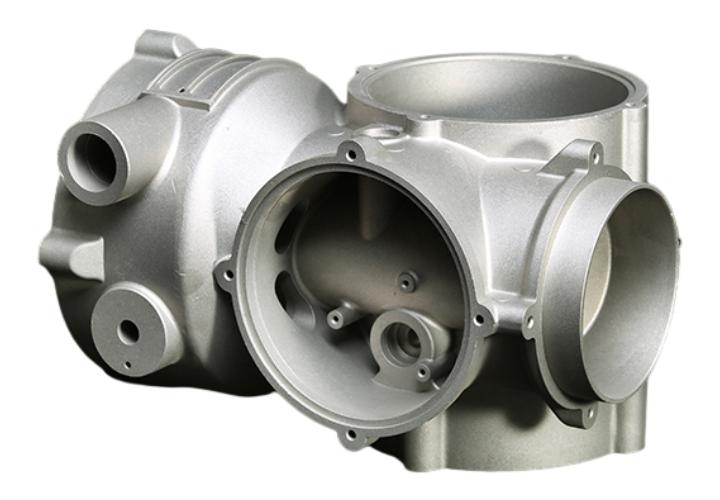
The molding quality of aluminum die casting mold is directly related to the quality of die-casting products and is affected by a combination of factors.
1. Mold design factors
Reasonable mold structure design is the basis. The design of the gate system is crucial. The position, size and shape of the gate affect the flow state of the aluminum liquid. If the gate position is improper, it may lead to incomplete filling of the aluminum liquid and material shortage. Unreasonable flow channel size will cause uneven flow rate of aluminum liquid, resulting in inconsistent density of different parts of the parts. At the same time, the design of the parting surface needs to ensure a close fit, otherwise flash will appear, affecting the dimensional accuracy and appearance quality of the product.
2. Mold material factors
The performance of the mold material has a significant impact on the molding quality. The hardness, strength and thermal fatigue performance of the material must meet the requirements. If the hardness is insufficient, the mold is easy to wear during the die casting process, resulting in changes in the cavity size and affecting the accuracy of the product. Materials with poor thermal fatigue performance are prone to cracks under repeated heating and cooling die casting cycles, which in turn affects the service life and molding quality of the mold.
3. Die-casting process parameter factors
The process parameters such as temperature, pressure and time during die-casting should not be underestimated. If the pouring temperature of aluminum liquid is too high, the gas content in the aluminum liquid will increase, and it is easy to form pores inside the product; if the temperature is too low, it will lead to poor fluidity and incomplete filling. Excessive die-casting pressure may cause mold deformation, and too small pressure cannot fill the cavity with aluminum liquid. If the holding time is too short, the internal structure of the product is not dense and shrinkage holes are prone to occur; if it is too long, the production cycle will be increased.
4. Mold manufacturing precision factors
The processing accuracy in the manufacturing process of aluminum die casting mold directly determines the molding quality. The dimensional accuracy and surface roughness of the cavity must meet the design requirements. If the cavity size deviation is large, the product produced will inevitably not meet the design specifications; too high surface roughness will affect product demolding and even cause appearance defects such as strain.
aluminum die casting mold
Previous Page
30
2026-09
The Art of Crafting Durable Aluminum Casts for Industrial Applications
27
2026-09
The Essential Guide to Die Casting: Techniques, Applications, and Benefits
24
2026-09
How to Stay Ahead in Mold Forging: Insights for Manufacturers
21
2026-09
The Essential Guide to Forging Molds: Understanding Their Importance in Manufacturing
18
2026-09
Zinc Die Casting Parts: A Premier Cost-Effective Solution for Customized Manufacturing
15
2026-09
The Intricacies of Zinc Alloy Die Casting: A Comprehensive Overview
12
2026-09
The Art of Creating Intricate Designs Through Aluminum Prototype Casting
GM Diecasting Technology Co.,Limited.
Add:Building 1-5, Chongke Road, Shipai Town, Dongguan City, Guangdong Province
Email:henry@gmdiecastingtech.com
Email:lily@gmdiecastingtech.com
Tel:+8613680864695