



31
2025
-
05
In-depth analysis of common faults and maintenance of metal stamping mold
Author:
During the metal stamping process, metal stamping mold often has some faults, which affect the smooth progress of production.
1. Wear fault
Edge wear is a common situation. Because the metal material is constantly rubbing against the punch and die edges during stamping, the edges will become blunt after long-term use. This will cause the burrs of the stamped parts to increase and the dimensional accuracy to decrease. During maintenance, for the lightly worn edges, their sharpness can be restored by grinding; if the wear is serious, a new punch or die needs to be replaced.
Wear of the guide part. The guide pin and guide sleeve are worn due to friction during the multiple opening and closing of the mold. This will deteriorate the centering of the punch and die, affecting the quality of the stamped parts. The solution is to replace the worn guide pins and guide sleeves, and pay attention to adding grease during daily maintenance to reduce wear.
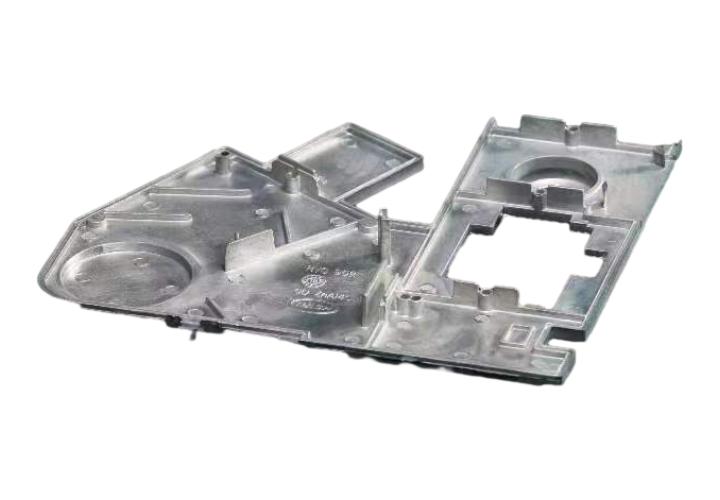
2. Fracture failure
The punch is broken. It may be due to excessive punching pressure, which exceeds the strength limit of the punch. For example, it is easy to occur when punching thick plates or the gap between the molds is unreasonable. Once the punch is broken, it is necessary to remake the punch and check the stamping process parameters, such as adjusting the pressure of the press and correcting the gap between the molds.
The die is cracked. This may be due to unreasonable structural design of the die, stress concentration points, or defects in the material itself. The die needs to be repaired or replaced during maintenance, and the design structure of the die needs to be optimized to avoid stress concentration.
3. Gnawing failure
When the guide accuracy of the metal stamping mold is insufficient or the installation is inaccurate, the punch will bite the die. This will damage the working surface of the mold. The solution is to readjust the guide device of the mold, ensure the correct installation position of the punch and die, and repair the gnawed surface, such as welding and then processing to the appropriate size.
In order to reduce the occurrence of failures, the mold should be well maintained in daily production, including regular cleaning, inspection and lubrication. At the same time, the stamping process specifications should be strictly followed to extend the service life of the mold.
metal stamping mold
30
2026-09
The Art of Crafting Durable Aluminum Casts for Industrial Applications
27
2026-09
The Essential Guide to Die Casting: Techniques, Applications, and Benefits
24
2026-09
How to Stay Ahead in Mold Forging: Insights for Manufacturers
21
2026-09
The Essential Guide to Forging Molds: Understanding Their Importance in Manufacturing
18
2026-09
Zinc Die Casting Parts: A Premier Cost-Effective Solution for Customized Manufacturing
15
2026-09
The Intricacies of Zinc Alloy Die Casting: A Comprehensive Overview
12
2026-09
The Art of Creating Intricate Designs Through Aluminum Prototype Casting
GM Diecasting Technology Co.,Limited.
Add:Building 1-5, Chongke Road, Shipai Town, Dongguan City, Guangdong Province
Email:henry@gmdiecastingtech.com
Email:lily@gmdiecastingtech.com
Tel:+8613680864695