



13
2025
-
05
How to ensure the quality of forging mold
Author:
The quality of forging mold is directly related to the quality, production efficiency and cost of forging products. To ensure the quality of forging mold, we need to start from many aspects.
First of all, the selection of materials is crucial. The appropriate mold material should be selected according to the use requirements of forging mold, such as the pressure, temperature, wear degree, etc. For example, for forging molds that are subjected to high pressure and high temperature, it is necessary to select materials with high hardness, high strength and good heat resistance. High-quality materials are the basis for ensuring mold quality and determine the upper limit of mold performance from the source.
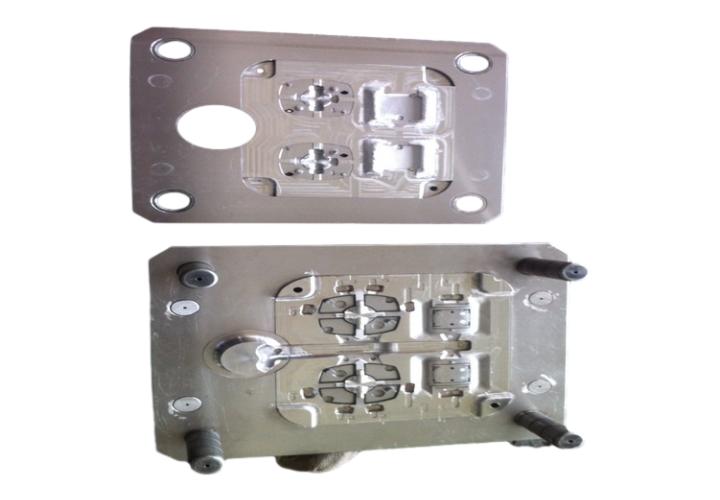
Secondly, the manufacturing process must be precise. In the manufacturing process of the mold, whether it is machining, heat treatment or surface treatment, every link must be strictly carried out in accordance with the standard process. For example, during machining, dimensional accuracy must be guaranteed. Even a small error may affect the mold fitting accuracy, resulting in problems such as flash and dimensional deviation in forged products. The heat treatment process can improve the internal organization of the mold and improve its comprehensive performance, so parameters such as heating temperature, insulation time and cooling speed must be strictly controlled.
In addition, the quality inspection link is indispensable. During the mold manufacturing process, multiple rounds of testing are required. For example, non-destructive testing technology is used to detect whether there are defects such as cracks inside, and precision testing tools are used to ensure the dimensional accuracy of the mold. For surface quality, roughness, hardness uniformity, etc. must be checked. Only when each test indicator is qualified can the quality of the entire mold be guaranteed.
Finally, the use and maintenance of the mold will also affect its quality. During use, it is necessary to operate in accordance with the operating procedures to avoid overload. At the same time, regular maintenance of the mold, timely cleaning of dirt and repair of worn parts can extend the service life of the mold and ensure its stable quality throughout its service life.
forging mold
Previous Page
30
2026-09
The Art of Crafting Durable Aluminum Casts for Industrial Applications
27
2026-09
The Essential Guide to Die Casting: Techniques, Applications, and Benefits
24
2026-09
How to Stay Ahead in Mold Forging: Insights for Manufacturers
21
2026-09
The Essential Guide to Forging Molds: Understanding Their Importance in Manufacturing
18
2026-09
Zinc Die Casting Parts: A Premier Cost-Effective Solution for Customized Manufacturing
15
2026-09
The Intricacies of Zinc Alloy Die Casting: A Comprehensive Overview
12
2026-09
The Art of Creating Intricate Designs Through Aluminum Prototype Casting
GM Diecasting Technology Co.,Limited.
Add:Building 1-5, Chongke Road, Shipai Town, Dongguan City, Guangdong Province
Email:henry@gmdiecastingtech.com
Email:lily@gmdiecastingtech.com
Tel:+8613680864695