
NEWS

Company News


11-01

Maximizing Efficiency with Aluminum Alloy Mold Machining: A Comprehensive Guide
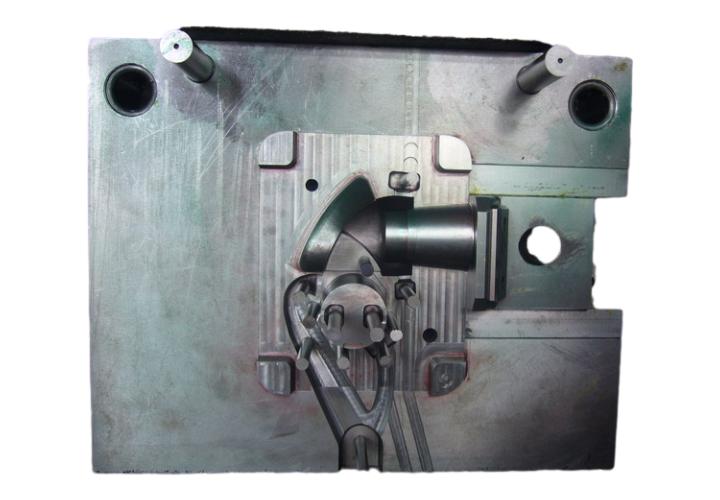
Maximizing Efficiency with Aluminum Alloy Mold Machining Understanding Aluminum Alloys in Mold Machining Aluminum alloys are widely recognized for their lightweight and corrosion-resistant properties, making them a preferred choice in mold machining. The versatility of these alloys allows manufacturers to produce intricate shapes and designs with precision. In this section, we will explore the var
10-31

Understanding quality Mold Forging: Techniques Benefits and Applications
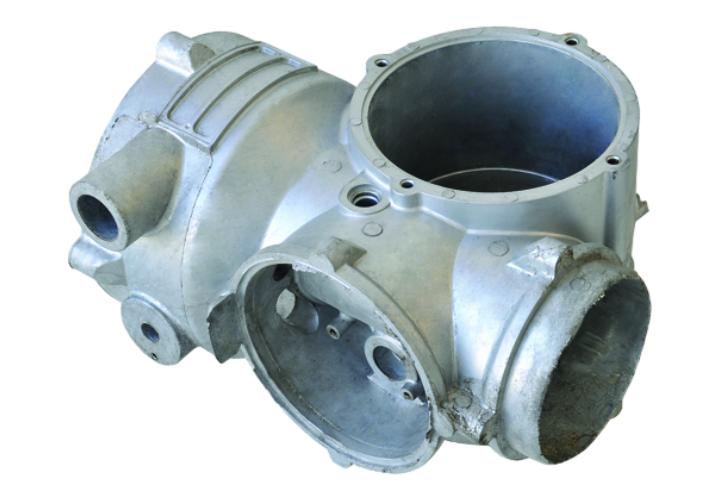
Mold forging, as a manufacturing process, involves shaping materials, typically metals, through the application of pressure within a mold. This technique is pivotal in creating components with intricate geometries and high strength, making it a preferred choice in sectors like automotive, aerospace, and heavy machinery. The process can be broken down into several key stages, including mold design,
10-30

Best Mold Forging for Startups: Proven Strategies for Sustainable Success

Mold Forging for Startups: Proven Strategies for Sustainable Success Table of Contents 1. Introduction to Mold Forging 2. Understanding the Market Landscape 3. Essential Equipment for Successful Mold Forging 4. Cost-Effective Techniques in Mold Forging 5. Technology Integration for Enhanced Efficiency 6. Workforce Development and Training 7. Quality Assurance in Mold Forging 8. S
10-29

Understanding Mold Forging: A Key Process in Precision Manufacturing
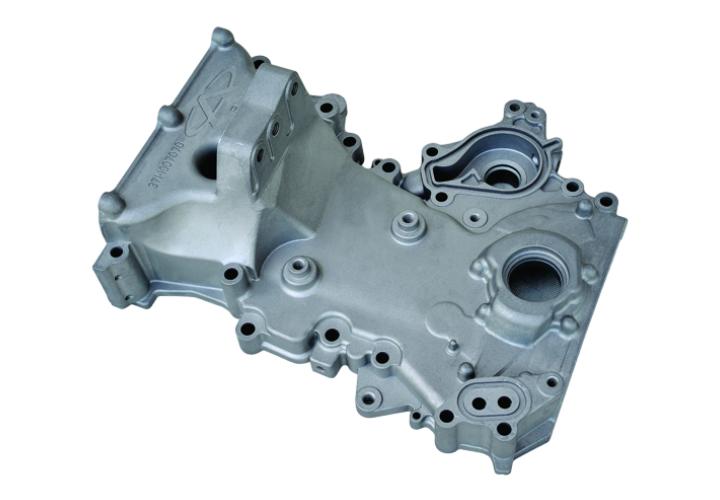
--- Mold forging is a specialized forging method wherein a metal workpiece is shaped by placing it into a mold and then applying pressure. This technique is essential for creating complex geometries that would be difficult or impossible to achieve through traditional forging methods. The process typically involves heating the metal to a specific temperature, placing it in a die or mold, and then u
10-28

Driving Innovation in Mechanical Hardware with Zinc Alloy Molds: A Comprehensive Exploration
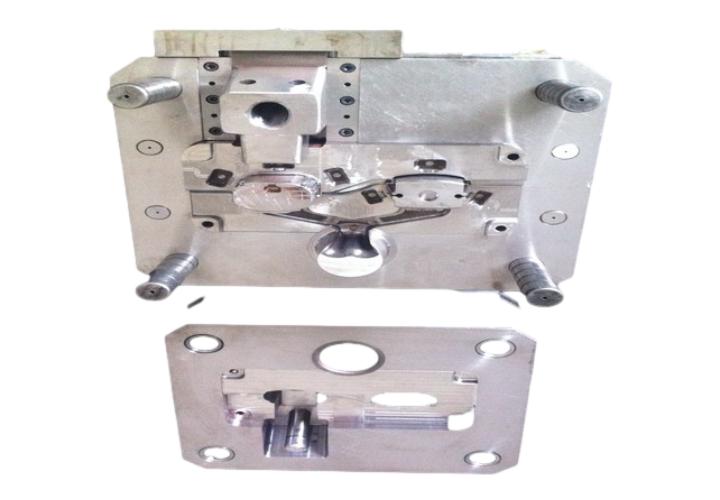
Driving Innovation in Mechanical Hardware with Zinc Alloy Molds Table of Contents 1. Introduction to Zinc Alloy Molds in Mechanical Hardware 2. Understanding Zinc Alloy: Composition and Properties 3. Advantages of Using Zinc Alloy Molds 3.1 Enhanced Durability and Strength 3.2 Cost-Effectiveness in Manufacturing 3.3 Design Flexibility and Precision Engineering 4. Applications of Zinc Alloy Molds i
10-27

Understanding Zinc Alloy Molds: A Key Component in Precision Manufacturing
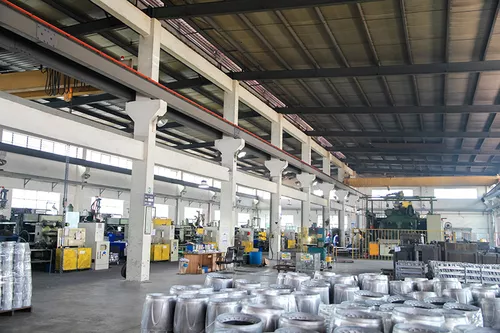
Zinc alloy molds play a critical role in the manufacturing and machining sectors, particularly in the area of mold processing. These molds are predominantly used in die casting processes due to their unique combination of properties that make them suitable for producing intricate and precise components. Zinc alloys, known for their excellent fluidity, low melting points, and good corrosion resista
10-26

Maximizing Quality Assurance with Advanced Zinc Alloy Mold Techniques

Maximizing Quality Assurance with Advanced Zinc Alloy Mold Techniques Table of Contents 1. Introduction to Zinc Alloy Mold Techniques 2. Understanding Quality Assurance in Manufacturing 3. Benefits of Using Zinc Alloy Molds 4. Advanced Manufacturing Techniques for Zinc Alloy Molds 5. Implementing Quality Assurance Programs 6. Best Practices for Maximizing Quality 7. Co
10-25

The Essential Guide to best Forging Molds: Understanding Their Role in Manufacturing
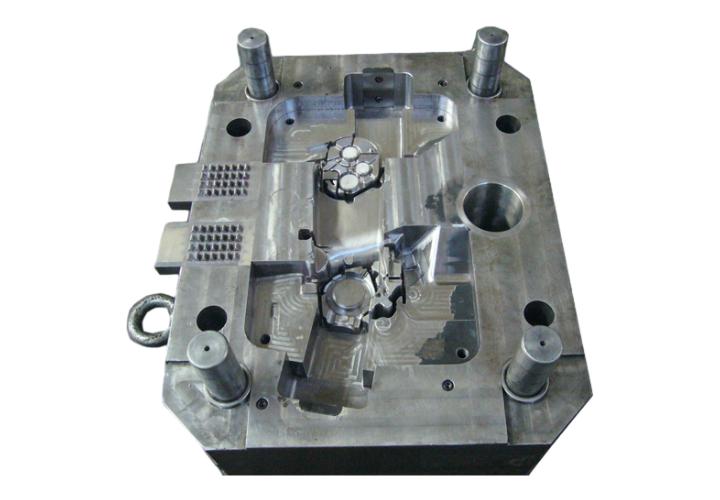
Forging molds play a pivotal role in the manufacturing process, particularly within the realms of machining and mold production. These specialized tools are designed to shape metal into desired forms through the application of high pressure and temperature. Understanding the nuances of forging molds can significantly enhance production efficiency and product quality. Firstly, it's essential to re
< 1...293031...55 >