



31
2025
-
03
quality Forging mold
Author:
Forging mold plays an indispensable role in the field of metal forming and is a key tool for achieving efficient and precise forging production.
1. Structure and design
Forging mold has a carefully designed structure. It consists of two parts, the upper and lower molds, whose cavities are precisely matched to ensure that the metal can be formed into the predetermined shape during the forging process. The internal cavity of the mold is customized according to the needs of different forging products, and can be accurately created from simple shaft parts cavities to complex special-shaped structure cavities.
In order to withstand the huge pressure during the forging process, the mold is made of high-strength materials and optimized in structure. For example, the key stress-bearing parts of the mold are thickened or special rib structures are used to ensure that the mold will not be deformed or damaged during long-term, high-intensity forging work.
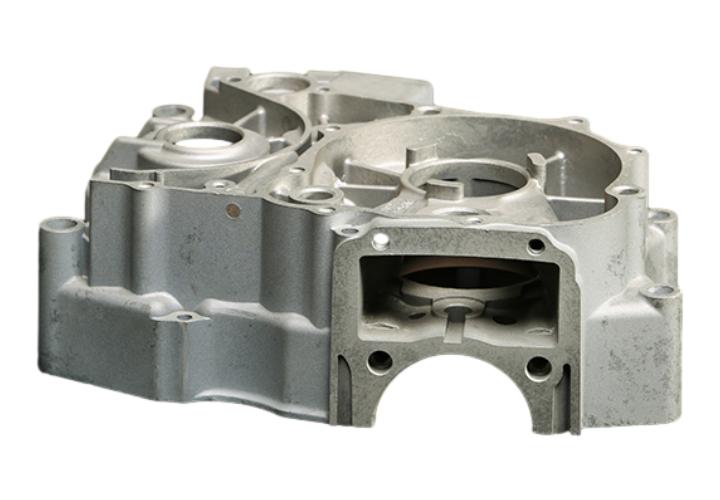
2. Functional characteristics
Forging mold can accurately forge the original metal billet into the required shape. Whether it is the key parts such as crankshafts and connecting rods of automobile engines, or high-strength structural parts in the aerospace field, forging mold can ensure that the dimensional accuracy of these parts after forging reaches a very high level. This ability to form accurately is essential to ensure the quality and performance of the product.
It can effectively improve the internal structure of the metal. During the forging process, the grains inside the metal are refined and the structure is denser through the pressure of the mold, thereby improving the mechanical properties of the metal, such as strength, toughness and fatigue life.
3. Materials and durability
Forging molds usually use high-quality mold steel materials. These materials have high hardness, high wear resistance and good thermal stability. For example, H13 steel, which can maintain good hardness and strength at high temperatures, can adapt to the high temperature and high pressure environment during the forging process, and ensure the service life of the mold.
After a special heat treatment process, the durability of the forging mold is further improved. Reasonable heat treatment can make the internal structure of the mold more uniform, improve its fatigue and wear resistance, and reduce the cost of frequent mold replacement.
Forging mold
Previous Page
Next Page
Previous Page
Next Page
12
2026-09
The Art of Creating Intricate Designs Through Aluminum Prototype Casting
09
2026-09
Understanding Die Casting Molds: The Backbone of Precision Manufacturing
06
2026-09
Unlocking Potential: The Advantages of Custom Aluminum Casting in Machinery Manufacturing
03
2026-09
The Essential Guide to Zinc Casting in Die-Casting and Forging Molds
31
2026-08
Precision Engineering: The Transformative Role of Zinc Die Casting in Tool Development
28
2026-08
Unlocking the Potential of Die Casting Machines in Metalworking
25
2026-08
Driving Innovation through Aluminum Die Casting: The Future of Manufacturing
GM Diecasting Technology Co.,Limited.
Add:Building 1-5, Chongke Road, Shipai Town, Dongguan City, Guangdong Province
Email:henry@gmdiecastingtech.com
Email:lily@gmdiecastingtech.com
Tel:+8613680864695